SONIA NAVELLI MAURO SPLENDORE
Can you tell us a bit about your photographic duo and how you discovered your passion for photography?
We began at different times and with very different approaches, and it is probably precisely this diversity that makes our work complementary today. Mauro approached photography as a child, initially spontaneously and instinctively, primarily photographing the night sky, landscapes, and his surroundings. Over time, that curiosity transformed into a true need for observation: photography became a way to pause, look more closely at the world, and try to capture its most invisible or silent aspects.
Sonia, on the other hand, encountered photography later, at a time in her life when she felt the need to find a language capable of giving form to internal and emotional reflections. Before arriving at photography, we both explored other expressive languages—writing, music, drawing—but none allowed us to connect with reality in such a direct and profound way.
When we began working together, we realized that, despite our different backgrounds, we shared a very similar perspective. We shared a shared interest in the relationship between humans and nature, in marginalized territories, in the spiritual and symbolic dimensions of existence, and in all those realities that exist on the fringes of mainstream thought.
Today, for us, photography is not just the production of images, but a tool for research and knowledge. It’s a way to connect with people, places, and stories, but also to continually question the present and our way of inhabiting the world.
Did you attend any courses or workshops to master your photography skills?
We both studied at the Meshroom school in Pescara, a program that was incredibly important both technically and personally. During those years, we had the opportunity to interact with teachers, photographers, and editors who helped us understand that photography is not just an aesthetic medium, but also a tool for research and the construction of thought.
We attended courses, workshops, and masterclasses with nationally and internationally renowned authors such as Michele Palazzi, Anna Di Prospero, Silvia Camporesi, Arianna Rinaldo, and other professionals who instilled in us different approaches and sensibilities.
Each encounter left us with something different: some taught us rigorous design, others the importance of editing, still others the need to find an authentic personal voice. Alongside our academic training, however, a fundamental part of our journey was entirely self-taught. We firmly believe in the importance of continually enriching ourselves through other disciplines: we read a lot of anthropological and philosophical essays, watch films, study photography books, and try to maintain a lively dialogue with artists and people from diverse fields. We believe that photography cannot grow in isolation from culture as a whole. Images become truly profound when they are supported by an imagination, research, and awareness that goes beyond the simple act of taking a picture.
Do you shoot only analog or digital as well? If analog, what is your development process?
We shoot both digitally and analogically, choosing the medium based on the needs of the project and the atmosphere we want to create. We don’t view these two practices as opposed to each other, but rather as different languages that can coexist and complement each other.
Regarding analog, we are deeply connected to the slow, material dimension of the photographic process. We like the idea that an image goes through several physical stages before finally existing. The waiting time, the errors, the unpredictability of film are all elements we consider an integral part of the work. We develop black and white films ourselves in-house. It’s a phase we follow very carefully because it allows us to maintain direct control over the image and, at the same time, experience the process in a more intimate and artisanal way. For color film, however, we rely on a trusted laboratory that supports us both in the development and printing, including those in the darkroom.
Even when we collaborate with external professionals, we still try to follow every stage of the process, from the negative to the final print. We’re very interested in the material quality of the image and the physical relationship with the photographic medium. We don’t yet have a fully equipped darkroom, but it’s one of our future goals. In the new house we’re renovating, we’d like to dedicate a space entirely to analog printing and experimentation, because we feel the need for a place where we can work on images in an even more free and personal way.
How would you define photography and what does it mean to you?
We like to say that for us, photography is not an end in itself, but rather a means through which we explore what truly interests us. It therefore stems not only from an aesthetic need, but above all from a need for understanding and connection. Throughout our lives, we have tried to express ourselves through different languages, but photography has been the one that has most allowed us to concretely enter the world, to traverse it, and to actively experience it. Photographing means being present, listening, connecting with people, places, and situations we might otherwise never have encountered. We are deeply interested in the human dimension created during the photographic process. Often, the most important moments don’t even coincide with the shot itself, but with what happens before or after: the conversations, the time shared, the trust that slowly builds.
For us, photography is also a tool for reflection on the present. Through our projects, we seek to ask questions about the relationship between humans and nature, the contemporary ecological and spiritual crisis, the sense of belonging to places, and possible alternatives to dominant models of life. Ultimately, we believe that photography means, above all, learning to look. And perhaps it is precisely in this slow and attentive gaze that the kind of magic that still profoundly binds us to this medium continues to unfold.
Do you have a recollection of the first photograph(s) you ever took?
We also pursue personal journeys, but as a duo, we feel that our “first photographs” are inevitably linked to Atopia, the first real project we created together and, even today, the one that most transformed us. More than remembering a single image, we vividly remember the period in which those photographs began to take shape. At first, we moved very intuitively, without knowing exactly where the project would take us. Above all, there was a desire to understand realities far removed from our usual way of living and thinking.
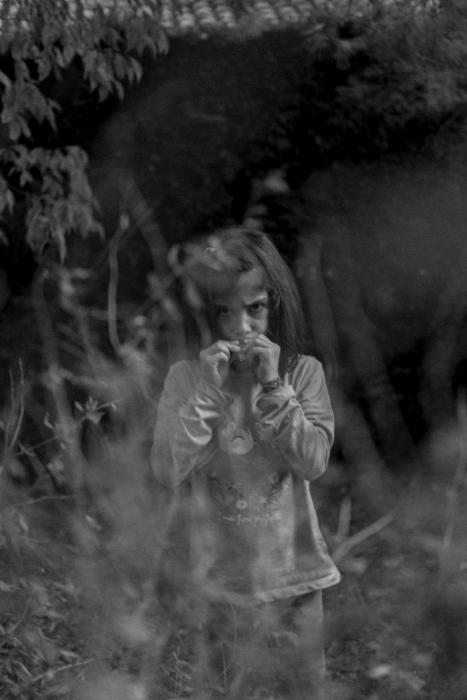
The first images of Atopia were born from long encounters, journeys, and stays within communities and contexts that had chosen more essential ways of life, deeply connected to nature. Even before being a photographic project, it was a profoundly human journey, which inevitably changed us on a personal level as well. We vividly remember the feeling of entering people’s homes, sharing everyday moments, listening to intimate stories, and slowly understanding that the most authentic images came only when a real and sincere relationship was established. It was there that we understood how, for us, photography has more to do with presence and listening than with the simple technical act of taking a picture. In this sense, our first photographs also coincided with the discovery of a method and a sensibility that still guide our work today.
Do you create your own sequences or do you seek the help of an editor/curator?
Both. When we work on a project, we go through several phases, and editing always occupies a central place in the creative process.
The first phase is almost always dedicated to study and research. Before starting to photograph, we read extensively, gather visual references, take notes, and try to deeply understand the theme we’re tackling. At this point, we produce a few images: mostly visual annotations that help us orient ourselves. Next, we enter the actual production phase, and in parallel, we begin to construct the first sequences. We do the initial editing ourselves, because we feel the need to understand the direction the work is taking and which images truly communicate with each other.
During this process, we often conduct portfolio reviews and compare notes with other photographers, editors, or curators. External dialogue is very important for us, as it allows us to notice aspects that might otherwise be overlooked within the project. When the work reaches a more mature form, we like to rely on the guidance of a curator or editor to help us make the final cut. Sometimes these collaborations confirm intuitions we already had, other times they completely challenge the sequence we had constructed. While it can be unsettling, we believe it’s a fundamental part of a project’s growth.
How would you describe your photography style?
Our style has been described by some as “poetic documentary,” and it’s probably the definition we most closely identify with. We’re interested in inhabiting that borderline between documentation and the symbolic dimension, between concrete reality and the imaginary. Our work almost always begins with real-world, territorial research, often linked to anthropological, environmental, or spiritual themes. However, we’re not interested in purely descriptive or informative photography. Rather, we seek images capable of evoking, suggesting, and leaving room for the viewer’s personal interpretation.
Nature is a central element of our language, as is the relationship between humans and landscape. We’re interested in marginal places, rituals, symbols, collective memories, and all those forms of existence that resist the rhythms and logic of contemporaneity. From an aesthetic perspective, we’re also drawn to slow, atmospheric images, sometimes almost suspended in time. Working both analog and digital, we always seek a material and sensitive rendering, where even imperfection can become part of the story.
In our latest works, we’re also striving to move ever closer to a dreamlike and archetypal dimension, allowing symbolism and suggestion to play a stronger role within the narrative.
Rather than defining ourselves through a rigid style, however, we prefer to think of photography as a living and evolving language. Each project requires a different approach, and we like to let the work itself, over time, suggest its own form.
Can you tell us the story behind the series Atopia?
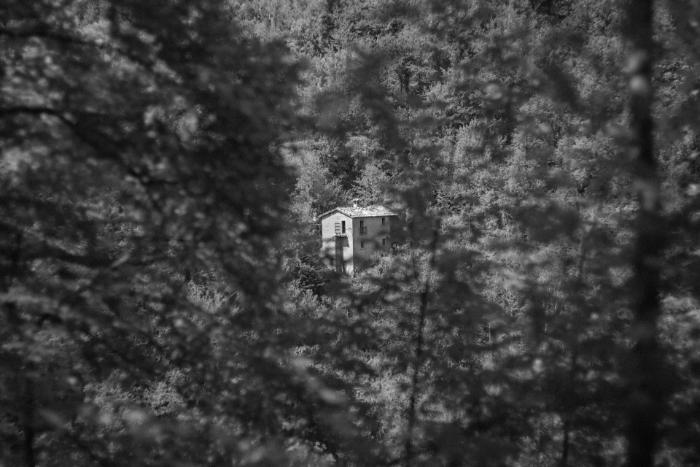
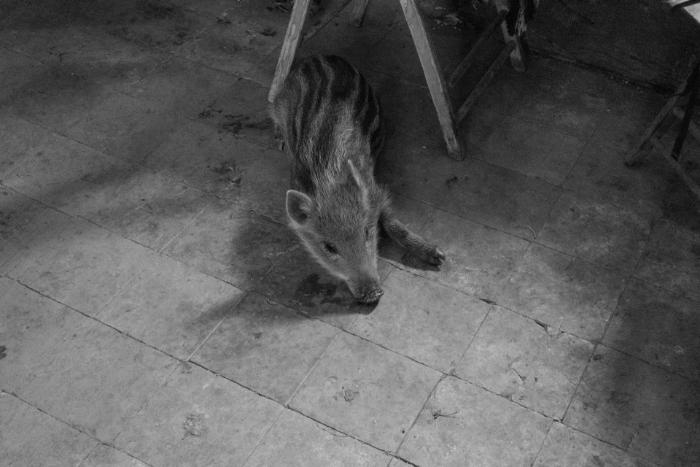
Atopia was born from a strong interest in the climatic, social, and spiritual crisis we are experiencing. We felt the need to question the contemporary model of life and the consequences of a profoundly anthropocentric and consumerist system. This led us to read essays on ecology, anthropology, and the critique of contemporary progress. One of the things that struck us most was the discovery that there are already people and communities actively seeking alternative ways of inhabiting the world, far from the logic of accumulation and constant consumption.
For about three years, we immersed ourselves in realities that were initially almost unknown to us. We met men and women who live alone or in small communities, often in close connection with nature and the local area. People who have chosen a slower pace and a vision of existence based on an awareness of their own limits and interdependence with all living things. What interested us was not to idealize these realities, but to try to describe a different way of being in the world. Over time, we realized that Atopia also spoke to a deeper need: the contemporary desire to reconnect with something that seems to have been lost, both collectively and spiritually. The project also changed us greatly personally. Traveling through those places and experiences led us to slow down, question many habits, and reflect differently on the relationship between humans, nature, and community.
Atopia has been published as a photobook. can you share your experience in the publishing world (difficulties, procedures, etc)? have you ever considered self-publishing?
Atopia was published as a fanzine by Rome-based publisher Monkeyphoto, who carefully guided us through every stage of production. It was a deeply formative experience because it allowed us to understand how complex and collective the creation of a photography book is, involving editing, pacing, materials, printing, and graphic design. One of the most challenging aspects was learning to translate a project conceived for the exhibition space or digital sequence into a coherent physical object.
In the book, every detail completely changes the perception of the images: the paper, the format, the rhythm of the pages, the gaps, the silences. The experience with Atopia was also very positive from a human perspective, because we had the opportunity to collaborate with people who deeply respected the project and our imagination. At the same time, we don’t rule out the possibility of self-publishing in the future. We’re fascinated by the idea of being able to follow every stage of the editorial process even more directly, experimenting with freer and more personal formats. We believe that self-publishing today can be a very interesting space for research and creative independence.
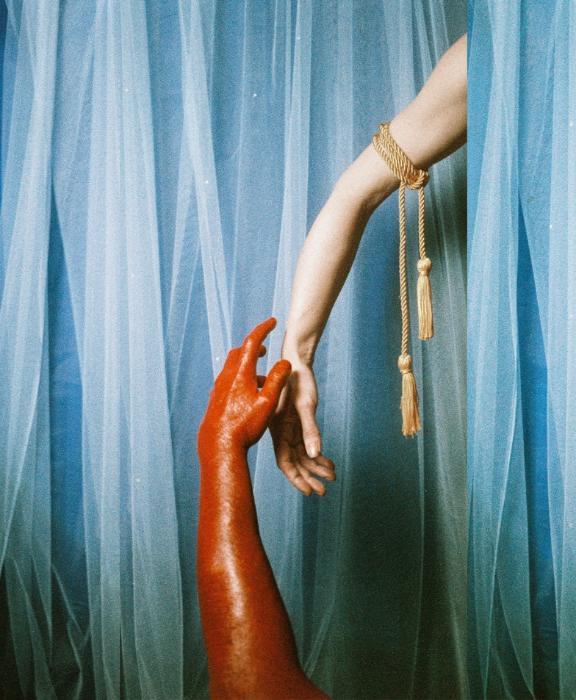
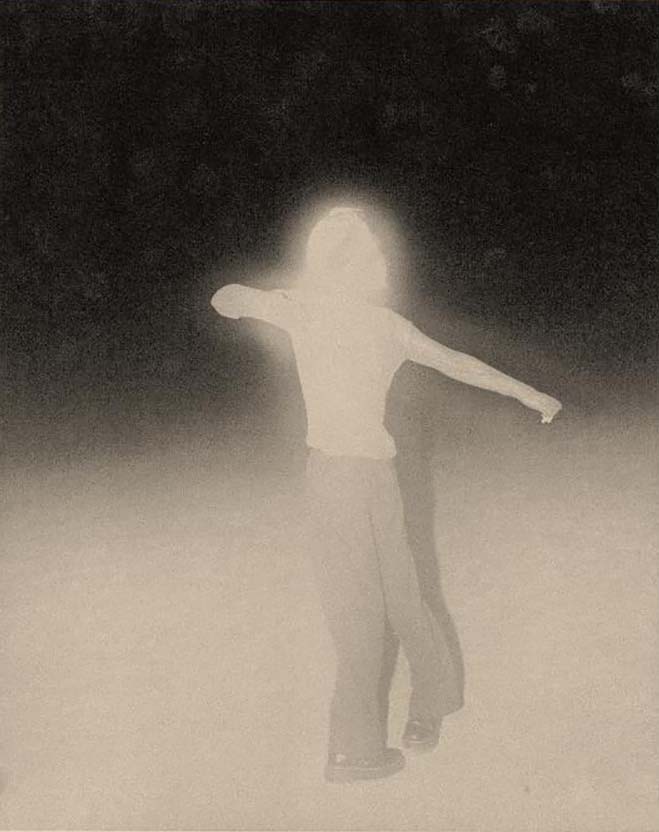
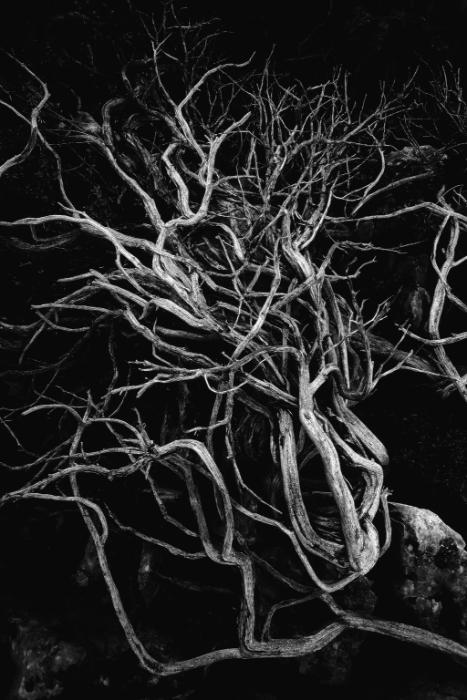
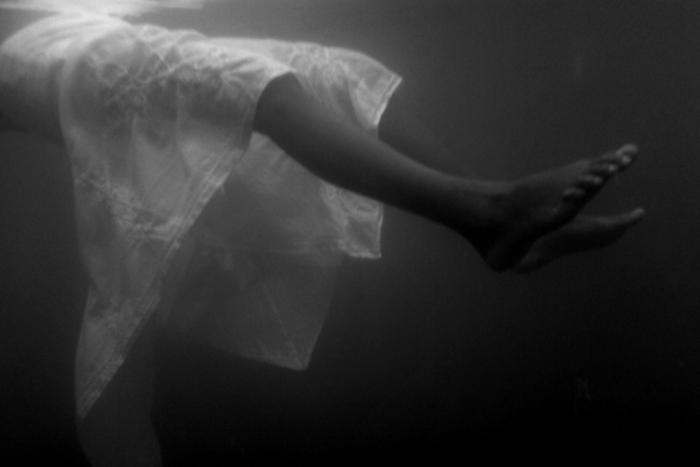
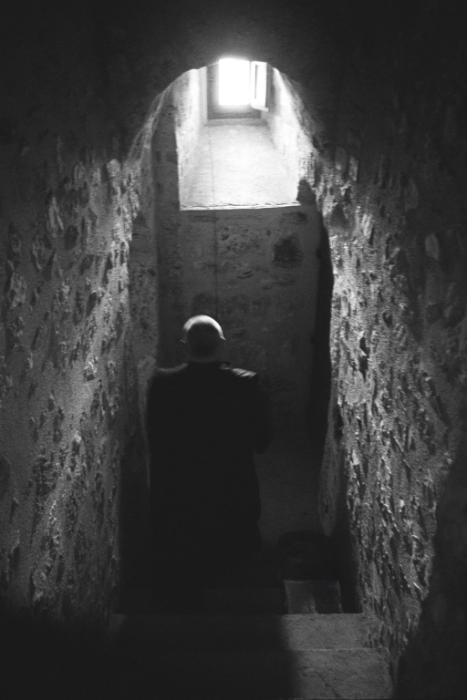
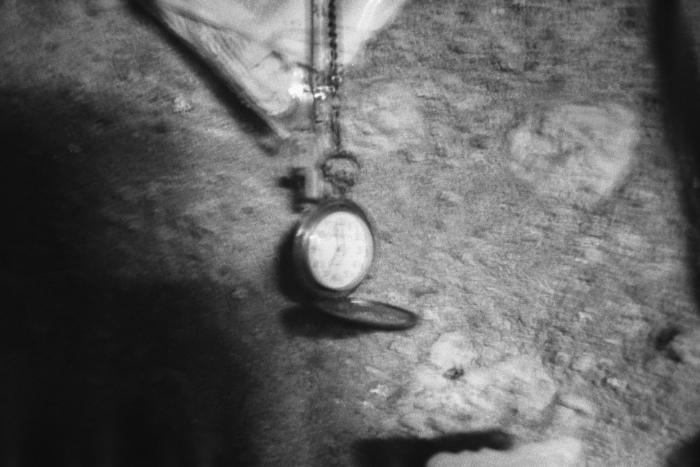
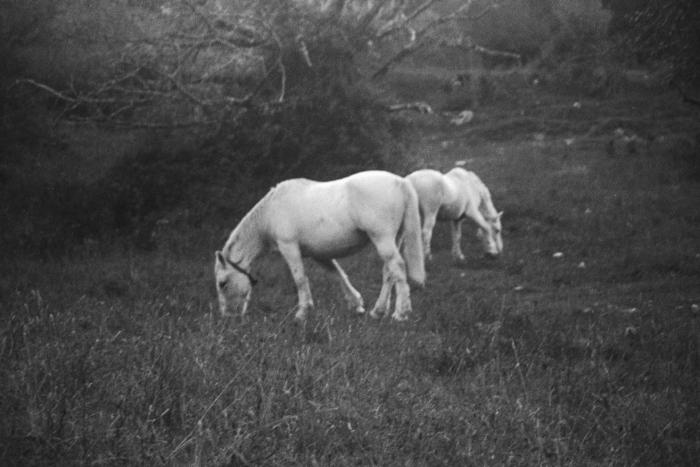
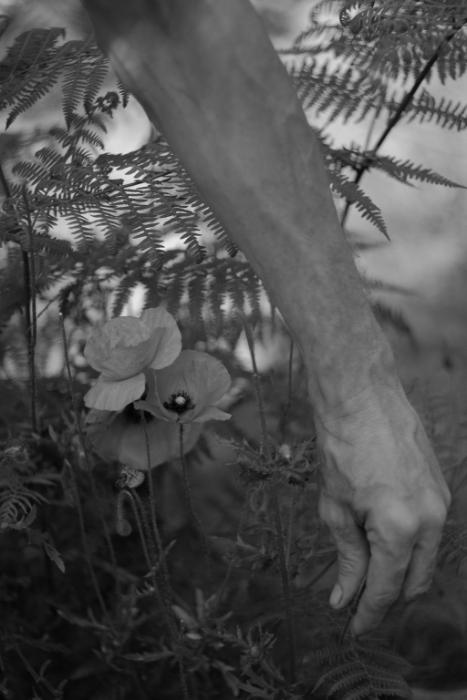
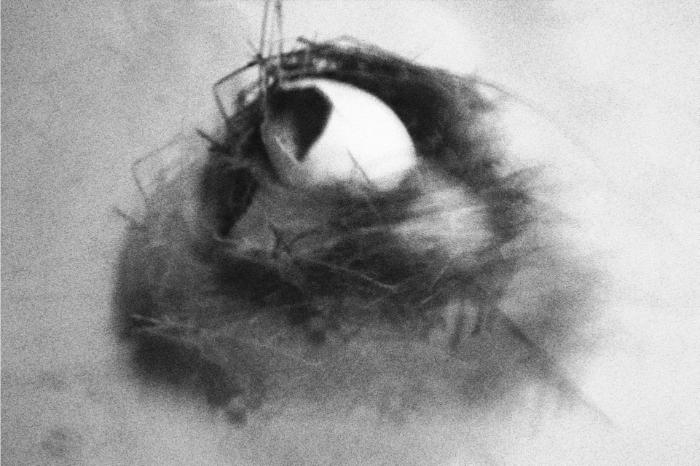
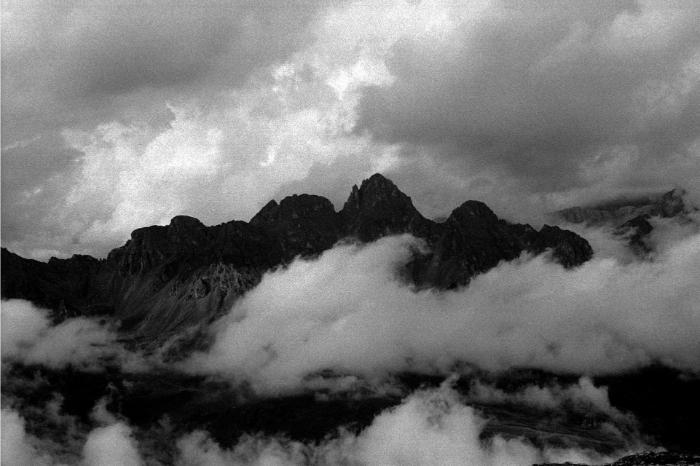
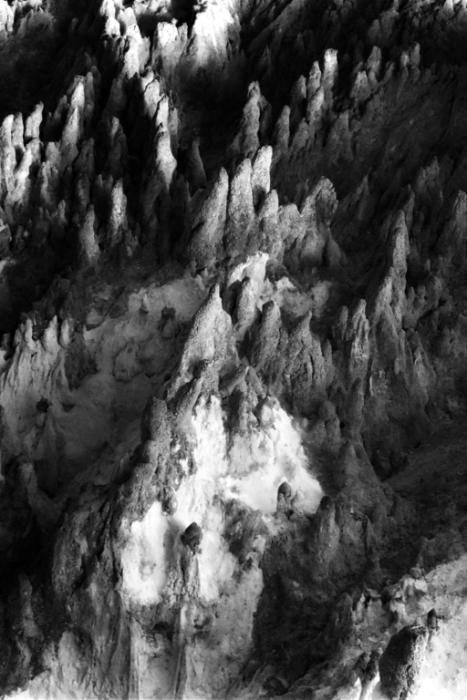
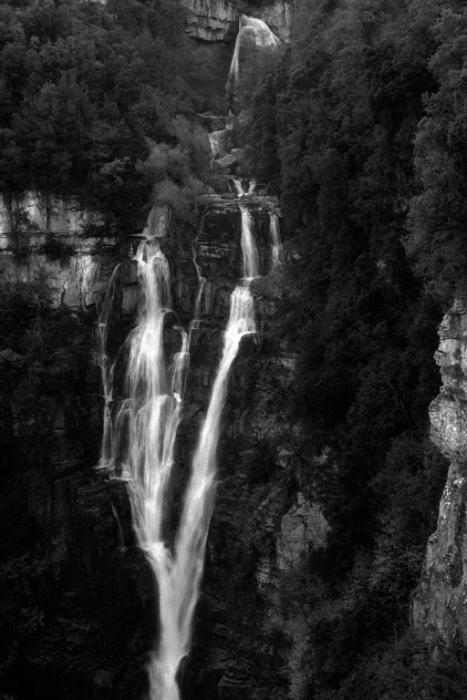
Right and Above: a selection from Atopia, below: a selection from Maia
Can you share the story behind your body of work Maia? What was your original intention or goals for the project? What were your processes?
Maia is a project which is still in progress, probably the most open and intuitive work we’ve undertaken so far. Precisely because it’s still in its early stages, we feel we don’t yet know exactly what its final form will be, and in part, we like it that way. Being from Abruzzo, we’ve always had a very strong connection with the Majella region, a place we’ve frequented for years and which for us possesses an almost ancestral dimension. Over time, we’ve begun to perceive that mountain not only as a landscape, but as a living, symbolic, almost maternal presence. Hence the title Maia, linked both to the archetypal figure of the Great Mother and to the ancient cultural, mythological, and spiritual stratifications linked to the mountain.
We’re interested in exploring the relationship between territory, myth, memory, and the feminine dimension, seeking to construct a narrative that moves between documentary reality and symbolic imagery. The creative process was also different from Atopia. After an initial phase of study and research, we began to produce images in a freer and more intuitive manner, letting ourselves be guided largely by sensations, encounters, and the places themselves. We are also working with archive photographs and footage, seeking to construct a more layered and dreamlike language. While Atopia had a more documentary dimension, Maia is moving toward a more evocative and symbolic territory, where the landscape takes on an almost ritualistic and archetypal dimension. Right now, we prefer to remain open to the process and let the work itself suggest the direction to follow.
What advice would you give to younger photographers or artists?
We don’t believe we’re in a position to give real advice, as we feel we’re still constantly learning and researching. However, there are some things we’ve come to understand over time as fundamental to our journey. The first is probably curiosity. We believe that to create authentic work, it’s important to take a deep interest in the world around us and not limit ourselves solely to photography. Literature, cinema, anthropology, philosophy, music, contemporary art: everything we experience inevitably enters our imagination and our way of seeing.
Another important thing is learning to take your time. Today, we’re accustomed to a continuous and immediate production of images, but we believe that many projects require slowness, listening, and maturation. Some works take years to truly find their form. We also believe it’s essential to photograph themes that truly touch us, without chasing trends or external expectations. The strongest images almost always arise from a sincere urgency and authentic personal involvement.
Finally, we believe it’s important to accept doubt and uncertainty as a natural part of the creative process. Often, not knowing exactly where you’re going can be a very fertile state, because it allows the work to transform and surprise us along the way.
Thank you very much for participating in this interview. It’s been a pleasure getting to know you both!
It’s been a pleasure for us too!
All Images © Sonia Navelli – Mauro Splendore