

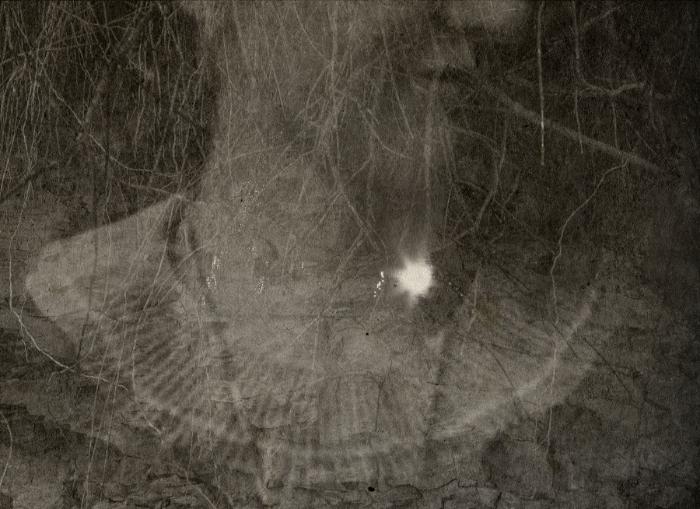
ALESSANDRA CALÒ
Thank you for agreeing to participate in this interview, Alessandra. To begin, could you tell us a little about yourself and your first experience with photography? What inspired you to become a photographer?
Ever since I was a kid, I’ve had a deep love for photography and all the gear that comes with it. I still remember when my dad gifted me a toy camera when I was just three years old—it sparked something in me that felt like I was on the right path. In 2015, I made the leap to leave my job and pursue my passion full-time. It took a while, but I believe everything happens at the right moment.
The inspiration behind my journey as a photographer is hard to sum up in just a few lines. It might be the need to express myself beyond words or the desire to share my unique perspectives with the world.
Have you taken any specific training in photography? Have you attended any workshops or anything else?
I’m self-taught and haven’t gone through formal training. However, my curiosity and passion drive me to explore everything that piques my interest. With photography, I dive in by reading, experimenting, and trying new things to enhance my skills.
Do you work exclusively with analog photography, or do you also use digital? If you focus on analog, could you share your development process?
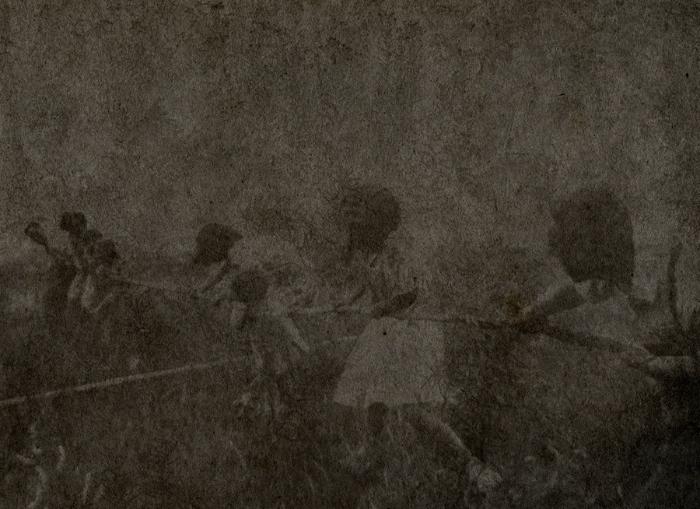
I’m really fascinated by the printing process and exploring different techniques and media that will help me achieve the final result I’m aiming for, even more than the actual shooting. It feels like I’m “tailoring” a suit for each project I work on. I usually shoot digitally and then create negatives for the printing stage.
What does photography mean to you? Can you share a memory of the first photos you took?
As a girl, I believed that capturing and preserving images would help me remember every moment of my life. I recall returning from school trips with countless rolls of film, even though some people mentioned I focused more on landscapes than on people. When I picked up my prints, I learned I had made a mistake by not reloading the film after the last shot, resulting in everything being exposed when I opened the door. Seeing my errors sparked my curiosity, leading me to envision overlapping ghosts and fiery auras. This was the beginning of a series of personal visions that continue to inspire me today. Now, I’m less interested in simply recounting reality; instead, I prefer to immerse myself in something that transcends the ordinary, something that encourages imagination and invites exploration.
How would you describe your photographic style?
Last year, I had the opportunity to attend an exhibition in France, where someone mentioned that my style could be described as “pictorialist.” I wasn’t familiar with the term and initially thought it related to painting. To my surprise, I learned it refers to a 19th-century photographic movement that aimed to show photography as more than just a “mechanical reproduction”—it’s truly an art form. Pictorialist photography is linked to photographers who embraced manual printing techniques, often referred to as “ancient techniques,” which happen to be my favorites. I believe that gentleman really captured my style perfectly!
Could you share some insights about the Les Voix series? I believe it originated from one of your artist residencies and has also evolved into an artist’s book.
Les Voix came to life through an invitation to an artist residency in Gaspésie, located in southeastern Canada. This project features a photographic series that beautifully intertwines with a literary series of poems. It’s an evocative endeavor where the landscape serves as both an echo and a mirror, reflecting a humanity that cyclically engages with memory, bridging the past and present.
The project includes a research aspect and a public outreach initiative in Canada, which inspired me to gather and reinterpret archival materials and historical photographs from the residents of the Baie des Chaleurs villages. The images I created were then shared with the talented writer and poet France Cayouette, who, drawing inspiration from them, crafted a series of original poetic works.
Thanks to publisher Danilo Montanari, this collaborative effort has now been transformed into a book, which is currently available in Canada and Italy.
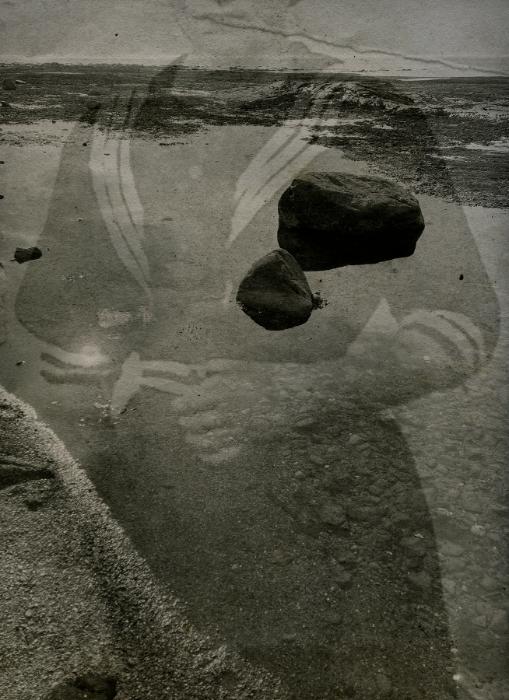

Above: a selection from Les Voix
It looks like traditional alternative processes and new interpretations of archival materials play a significant role in your practice. We’d love to hear more about this! Do you view the unpredictability that comes with your work as a strength or simply a part of the process?
Opting for traditional photographic techniques reflects my personal style and conceptual vision. It’s all about creating a contrast with time and embracing a specific aesthetic and authenticity. This choice also pays homage to photography’s rich history, inviting us to view the modern world through a fresh lens.
By employing traditional methods, we engage in a “physical process” that prompts us to consider the authenticity of images. It challenges the current trend of easily manipulated and digitally refined photography. This human element is vital, as it fosters a direct connection with nature, sparking a dialogue with the unexpected and highlighting the challenges and humanity inherent in a process that values imperfection over precision.
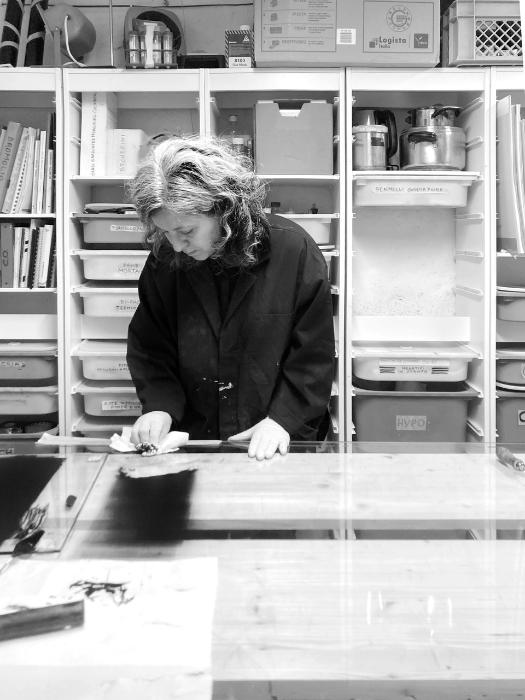

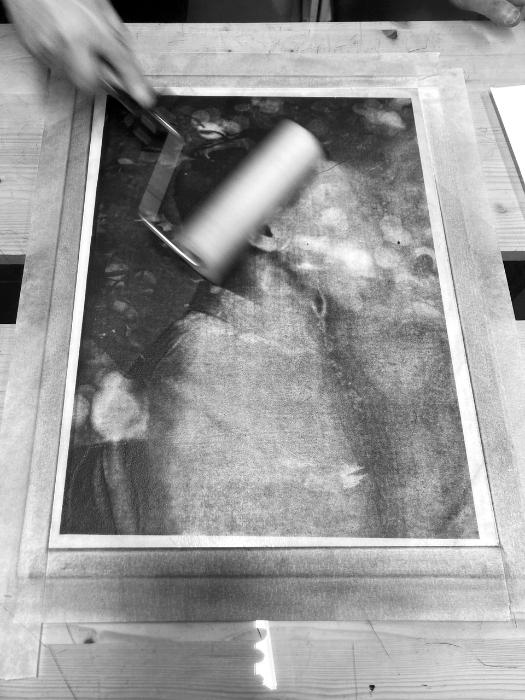
This practice demands qualities we often overlook today: study, time, focus, attention to detail, and, most importantly, the photographer’s active involvement, which is essential to crafting the image.
Memory is central to artistic creation, serving as both inspiration and a lens through which we reflect on our past. Incorporating archival materials allows us to revisit moments, emotions, and situations that, while rooted in the past, continue to shape our present. Thus, looking back isn’t merely nostalgic; it’s an opportunity to reinterpret and rethink our history in a contemporary context, giving it new significance. The archive becomes a wellspring from which we can draw and transform those materials into something innovative.
A lot of your images evoke a sense of wonder. Does your work encourage viewers to delve into mystery instead of just laying out the facts?
I’d call it more of an “invitation” to step into a “non-place” where everyone can share and express their own stories, beginning with just a simple suggestion.
We’d love to hear the story behind your work “Ctonio.” What were your initial intentions or goals for this project? Also, could you share your creative process?
Ctonio is a project that emerged during an artist residency on the island of Favignana. The title captures my experience there and what I aimed to share with viewers: a sense of gloom that springs from deep within the earth.
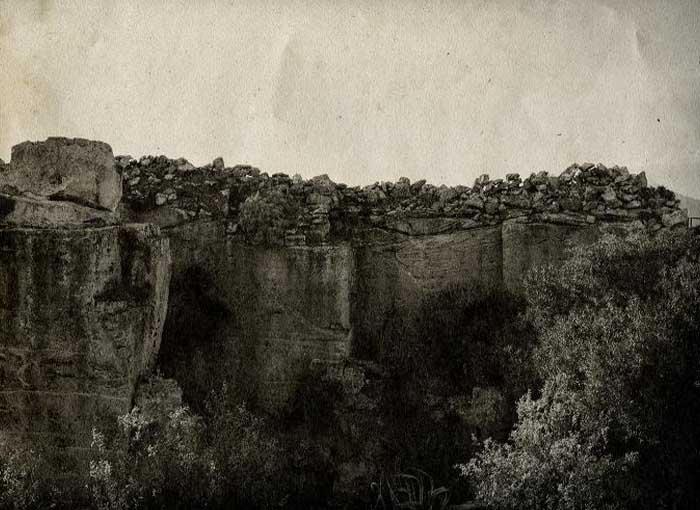
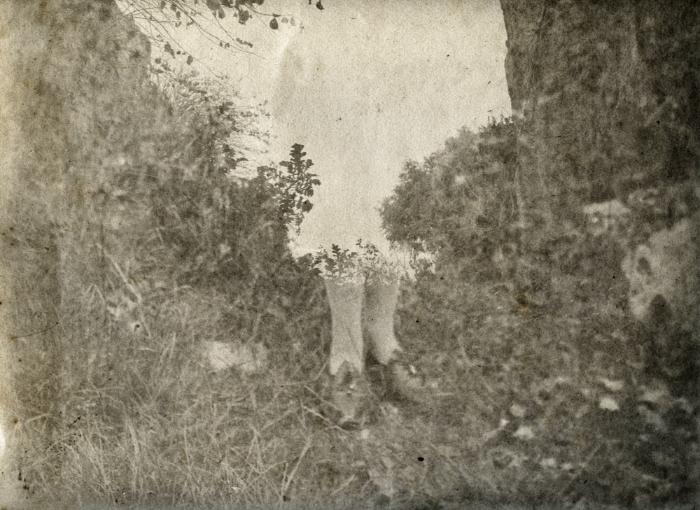
Above: a selection from Ctonio. Below: a selection from The Garden’s Tale
I utilized photography to showcase the current state of the landscape, but more importantly, to explore memory and the urgent need to reconnect humanity with nature. These images reveal a deep history of exploitation and environmental degradation, which has given rise to underground gardens—where beauty often has intricate roots in complex narratives. From this starting point, I wove together the past and present, developing this photographic series alongside the writings of Marilena Renda, a Sicilian poet who won the 2025 Strega Prize for Young Poetry with “Cinema Persefone,” inspired by these very reflections.
The images were created using calotypes and on-site digital shots, which I later reworked into digital negatives. This allowed me to print them using oil printing, an intriguing ancient technique that ties back to the history of photography.
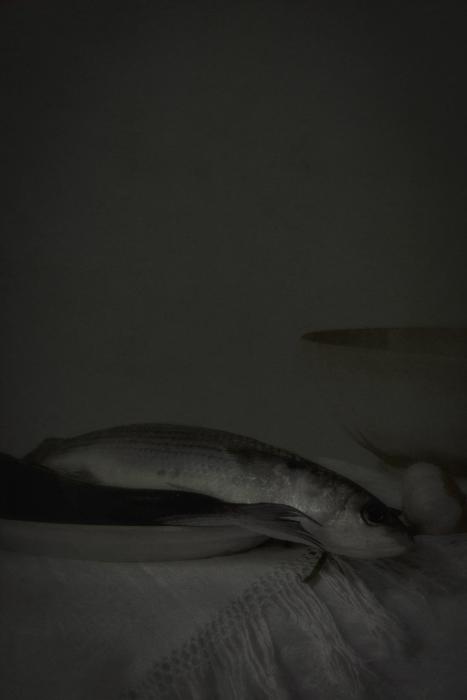
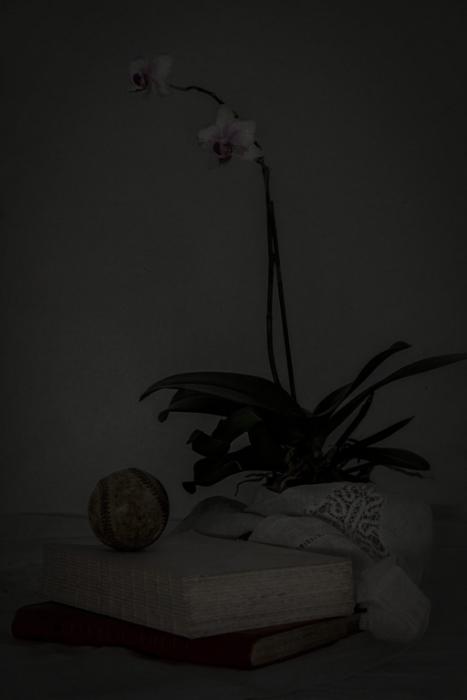
A lot of folks link dim lighting with fear and mystery. Yet, in your piece “The Garden’s Tale,” you present a fresh viewpoint, seeing darkness as an essential setting for reflection and personal growth. Would you mind sharing more about this concept?
Photography, as the term suggests, is like writing with light. It’s a fantastic way to capture moments and preserve them forever. However, I believe this can sometimes make the artistic process feel a bit pointless, as it produces images that exist outside the natural flow of time.

While working on “The Garden’s Tale,” I wondered what alternative approaches could challenge the viewer’s perspective and encourage them to form their own interpretations. I discovered that embracing darkness was the answer. By exploring the stories behind the myriad expressions that images present, we can invite viewers to engage their imagination. The less they see, the more they can perceive, opening themselves up to personal journeys. Although our culture often links darkness with negativity and fear, I believe it can also symbolize a vital stage of life, associated with introspection and transformation.
Your work frequently delves into the connection between humanity and nature. Do you view nature as a backdrop, a character, or maybe a mirror of our inner feelings?
Nature is a part of us—it’s our life force, our connection to everything. We often get so caught up in our own lives that we forget this and treat it as something less important.
You’ve published an impressive number of books! We’d love to hear about your publishing journey, including any challenges you’ve faced. Have you tried self-publishing? Do you have plans for more books in the future?
I’m a big fan of books and have had the pleasure of publishing my own. There’s something truly special about seeing my work in print—it makes art feel accessible and portable.
I consider myself lucky to have built a trusting relationship with my publishers over the years. After a brief but enriching experience with self-publishing, I connected with Danilo Montanari, who helped me publish my first book, Secret Garden, along with several others. He’s been an incredible mentor, and I’m forever grateful.
Currently, I’m also working with Studiofaganel, a vibrant publishing house that lets me express my creativity freely. We both love experimenting with different forms and materials. Projects like Ctonio and Herbarium emerged from ongoing discussions until we crafted the vision we had in mind. Collaborating with those who truly listen and guide you through the book creation process—while respecting and preserving the essence of the original work—is a rare and invaluable experience.
Do you come up with your own sequences, or do you prefer to collaborate with an editor or curator?
They say I am a control freak. I create everything myself. It takes me a long time to complete and declare a project complete, precisely because creating the right sequence is a slow process, requiring reflection and responsibility, and I never feel like entrusting it to third parties.
I’m fortunate, however, because I know I have important contacts with whom I can communicate openly: my publishers, my gallery, and some trusted people whose perspectives can enrich my images with inspiration and new visions…
You’ve participated in a remarkable number of exhibitions, both solo and group. Could you share your approach to presenting your work for open calls, galleries, and publishers?
An artist’s work is quite diverse, involving many activities beyond just the hands-on creation. Personally, I spend a significant amount of time on research and experimentation, sometimes overlooking the importance of networking and communication. However, the professional connections I’ve established with curators, galleries, and publishers over the years give me a bit more ease in that regard. As a result, opportunities for commissions, residencies, and exhibitions often come my way without me having to actively pursue them.
What tips do you have for young photographers or artists interested in pursuing photography?
Stay curious, trust your instincts, and turn them into project ideas while developing your own unique style. Although much has been done before, your personality can still set you apart.
Thanks again for joining the interview, Alessandra. It’s been a true pleasure!
I really appreciate the opportunity!
All Images © Alessandra Calò

