MARIA DENISE DESSIMOZ
First of all, thank you for participating in this interview, Maria. I’d love to hear about your beginnings in the visual arts. Can you remember your first experience with cameras and photography? Did you find your interest in them right away, or did it take some time for you to really get into image-making?
I really appreciate your invitation for an interview! I’m a Greek-Swiss photographer who has been living in Berlin for the past six years. My photography journey started when I was about 17. I began by documenting concerts and capturing personal moments with friends, which served as a way to journal and preserve memories. What started as a simple observation evolved into a deeper desire to understand and express my connection with the world around me.
Through photography and mixed media techniques, I explore the subconscious and inner truths by using metaphor and symbolism. My intense emotional reality has a tremendous effect on my everyday life and plays a motivational role in the creation of images. Thus, externalizing her inner world. I have exhibited internationally both as a group and solo in countries such as Japan, Germany, Belgium, Switzerland, Russia, Slovakia, Chile and Greece. Furthermore, I was featured on various websites and printed magazines. In 2024, I self-published my first photo book in collaboration with Zoetrope Athens. The book was exhibited in several Art Book fairs in Paris, Greece and Japan. In December 2024, Henri-Cartier Bresson Foundation recognized it as book of the month.
Have you received any formal training in photography? Have you participated in any workshops, and similar events?
After completing my degree in Environmental Engineering, I decided to pursue what I was truly passionate about. I moved to Berlin and completed a Masters’ degree in Staged Photography at the University of Europe for Applied Sciences (UE).
Over the years, I have also attended various workshops with photographers such as Antoine d’Agata (Magnum Photos), Nikos Economopoulos (Magnum Photos), and Zoetrope Athens. In addition, I was a member for several years of Lefki and Fotoskiasi, two photography clubs based in Chania, Crete.
Do you work exclusively with analog photography, or do you also use digital? If you focus on analog, could you share your development process? Do you develop your own film? And do you create prints in a darkroom?
I shoot both, but nowadays I work mainly with digital photography. The cost of film has increased significantly over the last five years, making it much harder to experiment freely unless you have a substantial budget.
When I do shoot film, it is mostly black and white, and I develop it myself. I have a developing kit and a changing bag, which allows me to process film almost anywhere. Printing in the darkroom is something I did during my studies when I had access to the university’s facilities. Nowadays, I mainly scan my negatives after development.
The rising costs of analog photography have also pushed me to become more inventive with my process. I often manipulate and re-photograph inexpensive prints made at drugstores such as DM and Rossmann. It’s fascinating how many different results can emerge from such a simple process.
What’s particularly amusing is that some of these manipulated images originated as photos taken on my phone. After being printed, altered, and re-photographed, people have occasionally assumed they were shot on film.
Do you recall the very first photographs you took?
I think the first photographs I ever took were candid pictures during a primary school excursion. That’s probably where it all started, although at the time I had no idea photography would eventually become such an important part of my life.
I understand that people, along with photography and other art forms, evolve over time. How would you describe your view of photography at this stage in your life?
As I evolve and become different versions of myself, the answer to this question continues to change. At this stage of my life, photography is primarily a tool for expression. It allows me to communicate aspects of my inner world, thoughts, emotions, and experiences that I often struggle to articulate through words alone.
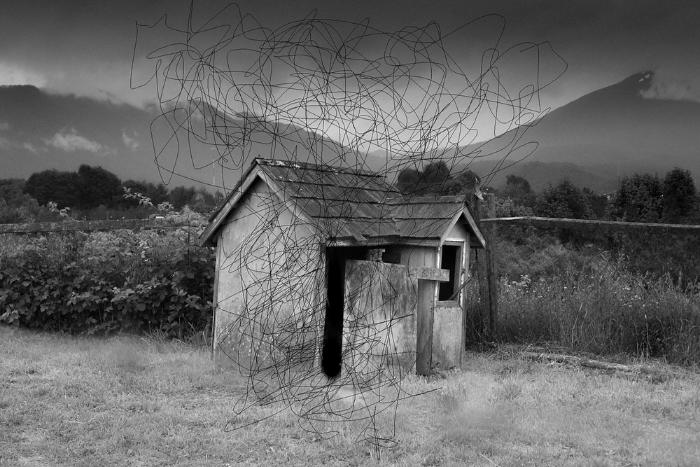
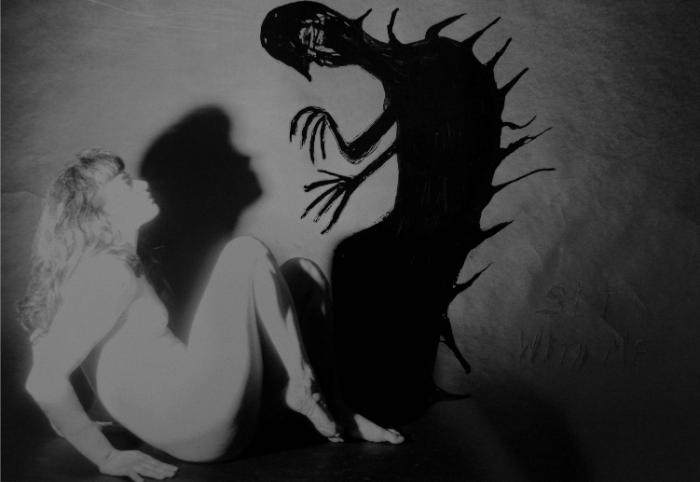
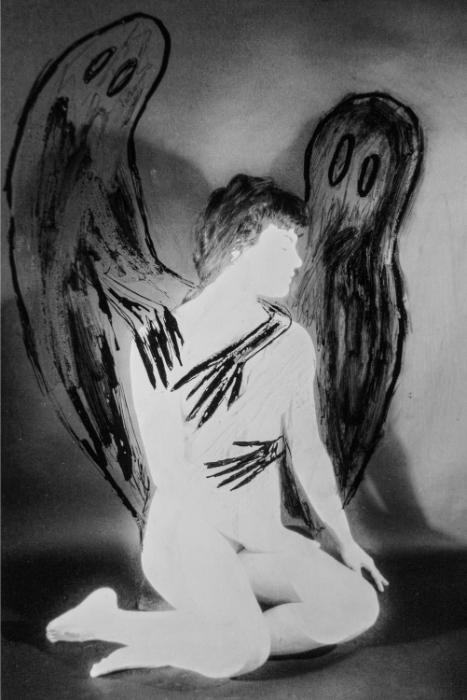
A few of your images feature what appear to be drawings layered over the photographs. Could you explain the process you use to create these unique pieces?
The process is actually quite simple. I print the photographs, draw directly onto them, and then re-photograph the results.
The drawings are intentionally naive, often simple enough that a child could make them. Perfection is not the goal. What interests me is the expression of the repressed inner child.
As a child, I wanted to become a painter, but I often received feedback that I wasn’t good enough. In a way, photography became the medium through which I eventually channeled that creative impulse. By drawing on my photographs, I am reconnecting with that part of myself and allowing it to exist without judgment.
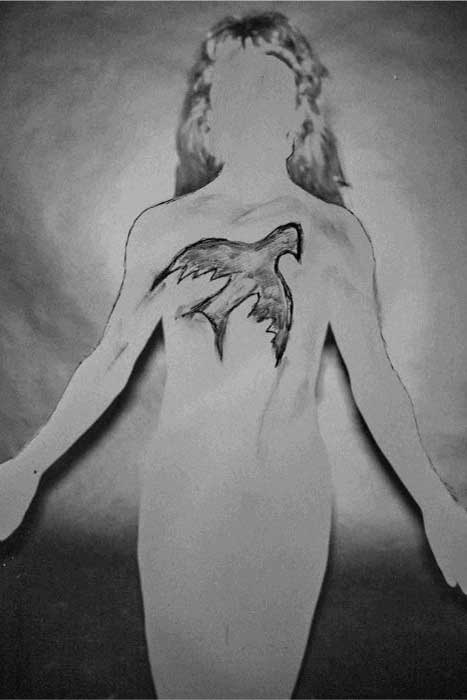
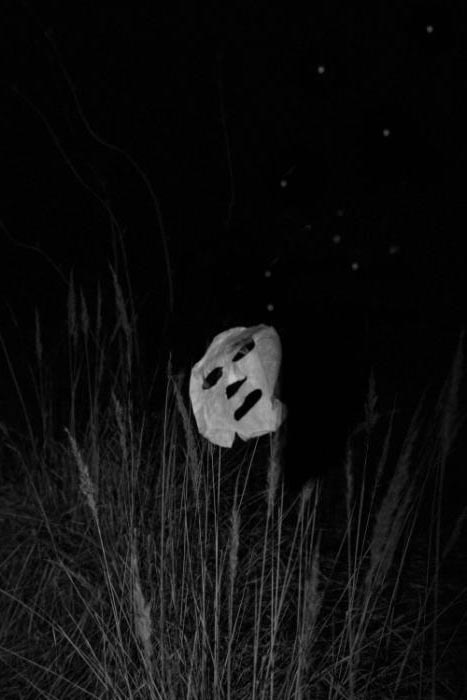
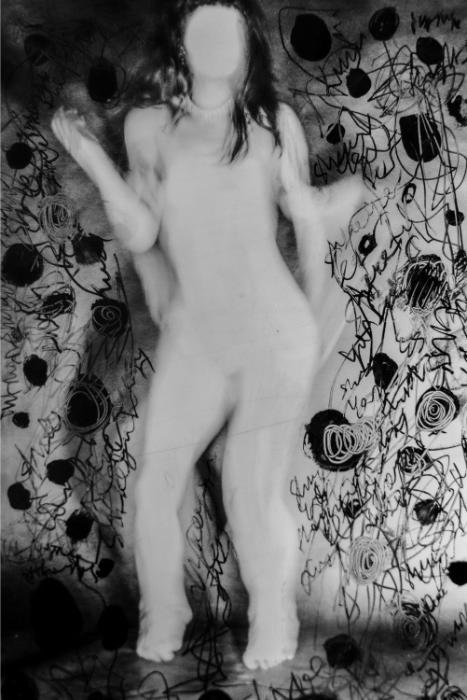
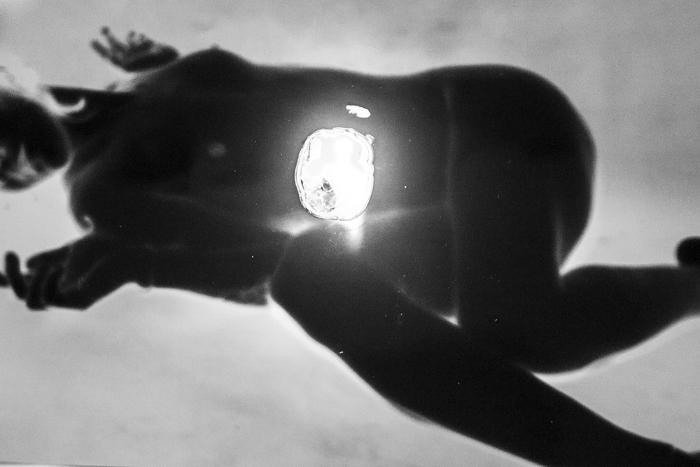
Above: a selection from Apokryfa
Could you tell me about the story behind your body of work, “Apokryfa”? What were your intentions and processes during its creation?
Apokryfa is an ongoing project that unfolds as a visual diary of the unseen, an attempt to trace the hidden structures that shape my inner reality.
The project emerged from my experiences with chronic stress, depression, repetitive thought patterns, and a desire to rewire the way my mind operates. It became a means of exploring how we can challenge inherited beliefs and reshape our relationship with ourselves.
At the same time, the work reflects on transgenerational trauma and the invisible transmission of emotional wounds. It examines how inherited patterns continue to echo through thought, memory, and identity across generations.
This process is far from easy, particularly when one’s mind has been conditioned by fear, shame, and limiting beliefs. In many ways, Apokryfa functions as an ongoing process of self-reflection, healing, and transformation.
You self-published the wonderful book The Inevitable Anguish of Desire. Would you mind sharing some insights about your experience with self-publishing?
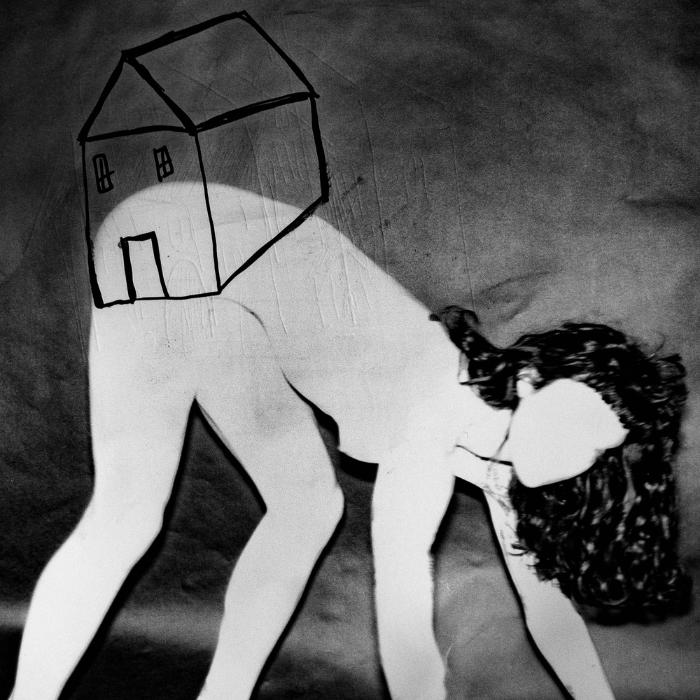
Yes, The Inevitable Anguish of Desire was my first self-published book. It was released in 2024 and became possible thanks to my wonderful collaboration with Zoetrope Athens. Yorgos Yatromanolakis served as my main mentor and co-editor throughout the process.
Self-publishing can be challenging, especially when working with a limited budget. It requires coordinating with many different people involved in the production of the book, from printers to bookbinders and this becomes even more complicated when you live in a different country from where the book is being produced.
Another challenge is promotion. A significant amount of time must be dedicated to marketing the book, particularly through social media, which can become exhausting after a while.
One of the greatest rewards, however, is the feeling of bringing something into existence. There is a unique sense of accomplishment and fulfillment in holding a finished book in your hands. It’s a feeling that is difficult to describe.
At the same time, once the excitement fades, there can be a certain pressure from the outside world asking, “What’s next?” That can be frustrating, especially during periods when you’re experiencing a creative block or simply focusing on other aspects of life.
Do you come up with your own sequences, or do you collaborate with an editor or curator for assistance?
I usually begin by creating my own sequences. However, during the later stages of the process or sometimes even midway through, I actively seek feedback from people with more experience than me.
This can happen through workshops, one-to-one mentoring sessions, or portfolio reviews. While I value developing my own vision, I also believe that outside perspectives can reveal things that are difficult to see when you’ve been immersed in a project for a long time.
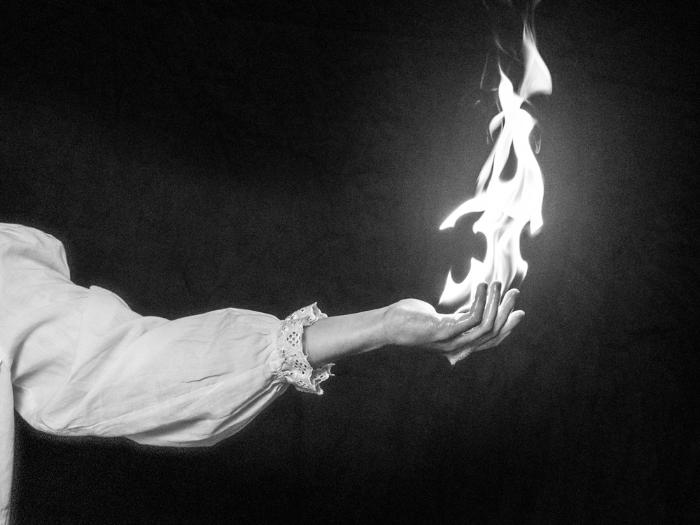

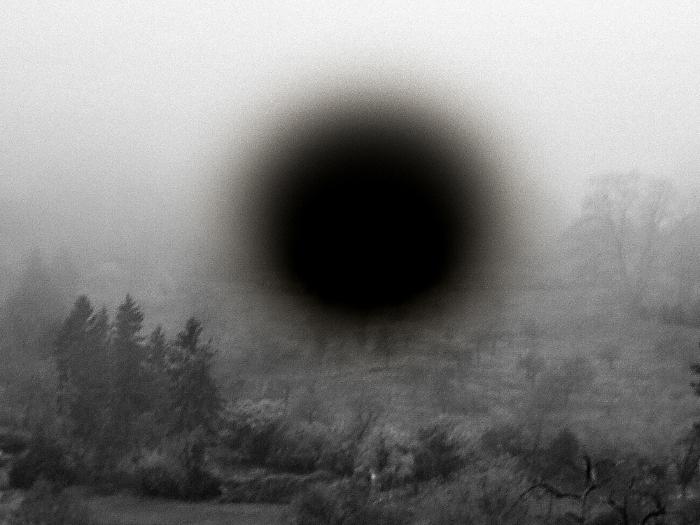
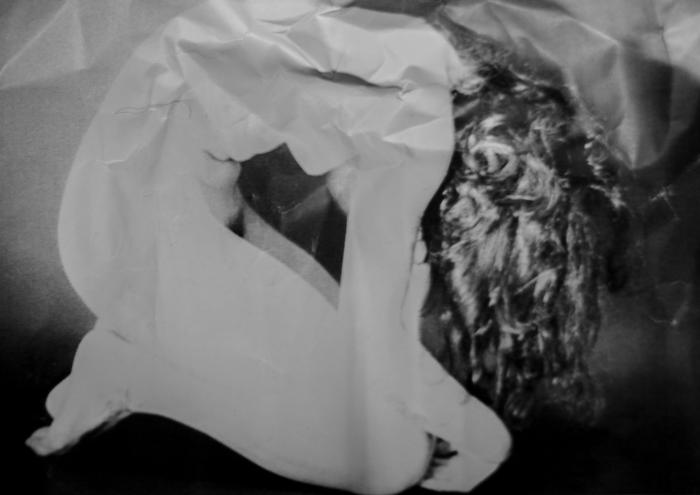
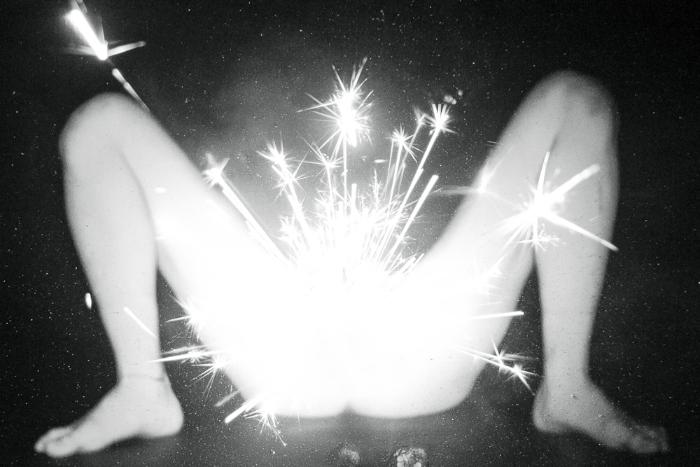
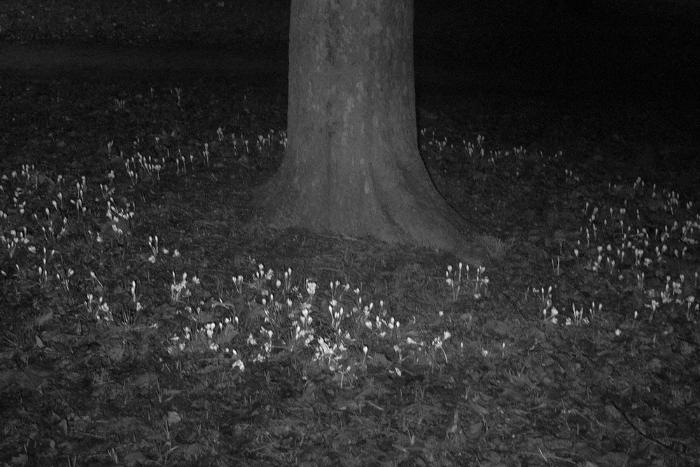
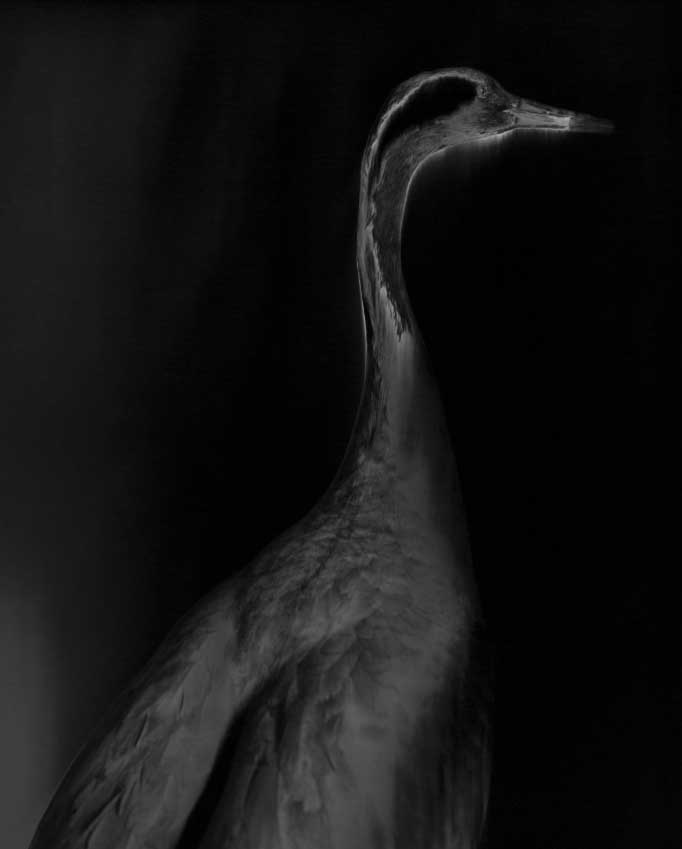
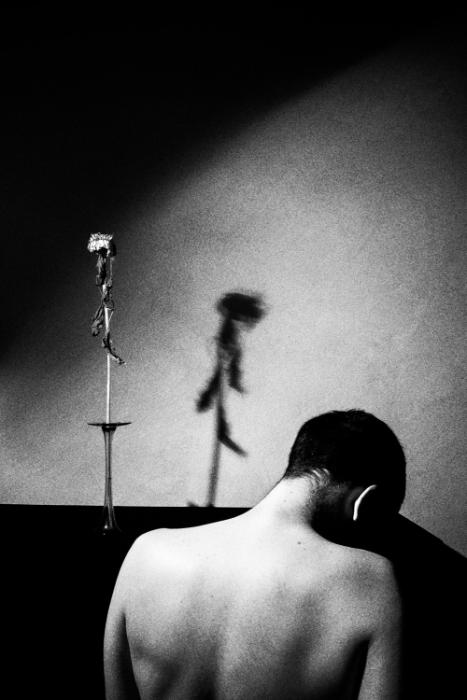
Above and below: a selection from The Inevitable Anguish of Desire
What tips do you have for aspiring photographers and artists?
Try not to compare yourself to others and be honest with yourself about your work.
Feedback is important, but don’t rely on it completely. Ultimately, your most valuable critic is yourself. Deep down, you usually know what resonates with you and what direction feels right.
There will be moments of doubt (many of them, in fact) but keep pursuing what genuinely excites you. Every creative path is unique, and comparing yours to someone else’s will only distract you from discovering your own voice.
Thank you for taking the time to take this interview!
Thank you!
All Images © Maria Denise Dessimoz