ANDREA SIMONATO
Welcome to Lucida, Andrea! We appreciate you taking the time for this interview. Could you share a little about yourself and how you began your journey in photography?
I’ve lived in the Padua province and have been into photography for quite a while, even though I work in web design. If I recall correctly, my first real introduction to photography was in high school, thanks to my science teacher. One day, he brought his SLR camera to class to show us how it worked, and I was so intrigued that I ended up buying one with my savings shortly after. A few years later, I discovered the work of Luigi Ghirri, which really helped me understand the type of photography I was passionate about. What really struck me was how photography could find meaning in even the most mundane things. It felt like it wasn’t just the subject that made a photo interesting, but the perspective you brought to it.
Are you self-taught, or did you go to photography school and take classes?
Actually, I’m self-taught. I gained most of my knowledge through hands-on practice and by studying the work of others. Books and exhibitions served as my primary education.
Do you work exclusively with analog photography, or do you also use digital? If you focus on analog, could you share your development process? Do you develop your own films and print in the darkroom?
These days, I mainly shoot in digital. When I first started, I used film and had a small darkroom, although I didn’t print much since I often relied on contact sheets. What I enjoy the most is still going out and collecting photographs; everything that follows has always intrigued me a bit less. Over time, I’ve moved away from film, partly for budget reasons and partly for practicality. So now, as I mentioned, I work exclusively in digital, which suits my current workflow better. Still, I occasionally feel the urge to pull out my old Mamiya.
How does capturing images allow you to express your inner self?
For me, it’s more than just a way to represent something; it’s a tool for connecting different ideas. It reshapes reality, giving it at least a temporary form. I’m drawn to images that leave some ambiguity, ones that don’t reveal all their meaning right away. I prefer when things are left a bit unresolved, rather than fully explained. I’ve never been particularly fascinated by photographs that clarify everything instantly.
Can you recall the first photos you ever captured?
I don’t recall a specific photograph, but I believe I went through the same process as many beginners. I captured what was around me while trying to figure out the camera’s capabilities. It’s really about comparing yourself to the world and the camera. Honestly, I think that’s still what I do today.
How would you define your photographic aesthetic?
I’m not really sure. I find it hard to define my style. When I take photos, I don’t focus on creating a recognizable aesthetic. Instead, I aim to stay true to my perspective. Whether that develops into a style is something I can’t determine.
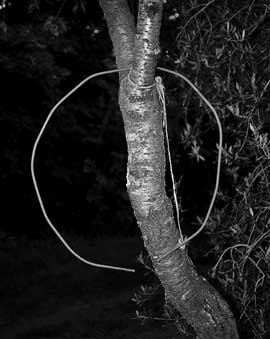
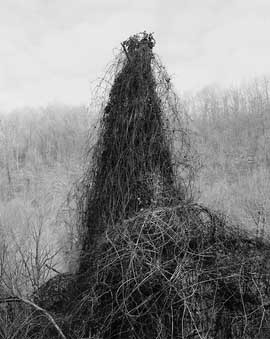
Could you tell us about the story behind your body of work, “Il Malocchio”? What was the purpose of this project, and what methodology did you implement?
The title came to me at the very end when I was trying to connect photographs taken over different years without any specific plan. I really liked it because it’s open to interpretation. To me, the evil eye represents a metaphor for habit: that state where, by constantly having things in front of us, we stop truly seeing them. Many of the images in the book come from the opposite desire—to look at our surroundings as if we’re seeing them for the first time. It’s not so much about finding something extraordinary, but rather about momentarily stepping away from familiarity to see if there’s still something new to discover.
Are your sequences independently developed, or is it a collaborative process involving a curator or editor?
For both books, I developed my own sequences but eventually decided to set them aside in favor of an outside perspective. I appreciated having someone who could identify connections that I had overlooked. I find this approach invigorating because it encourages you to view your work differently and often reveals insights you hadn’t thought of before.
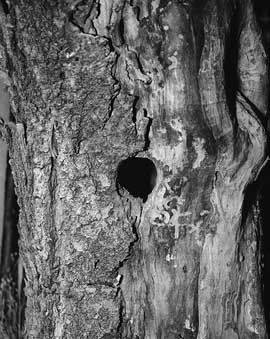
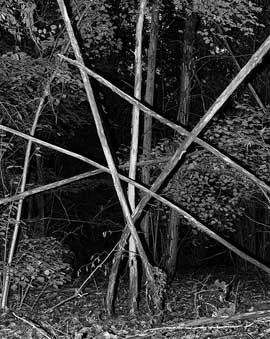
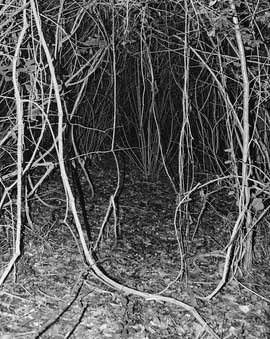
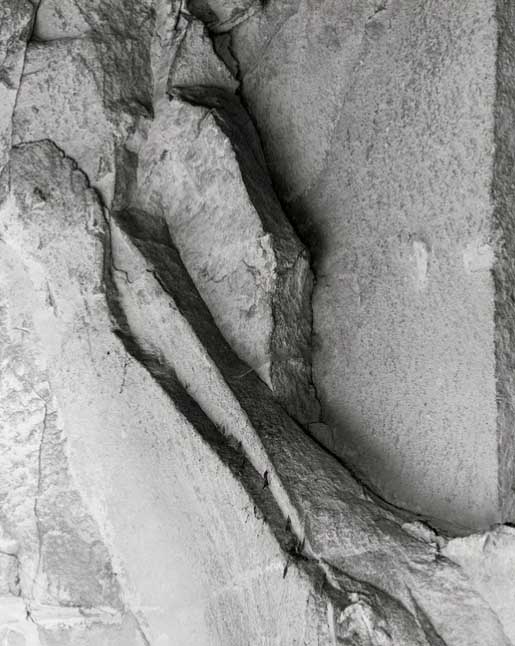
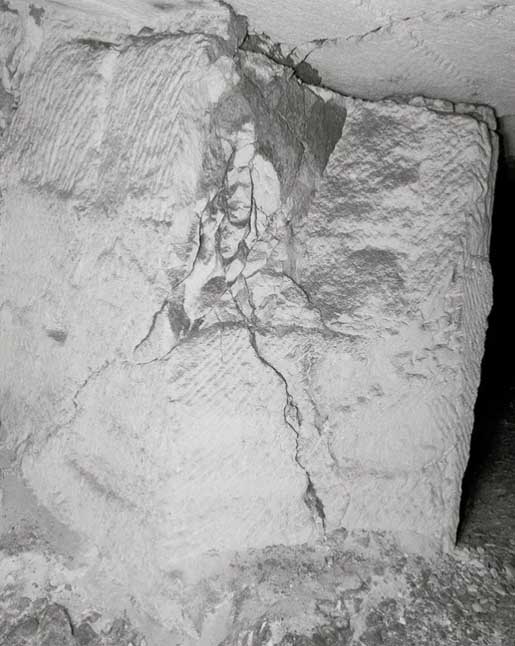
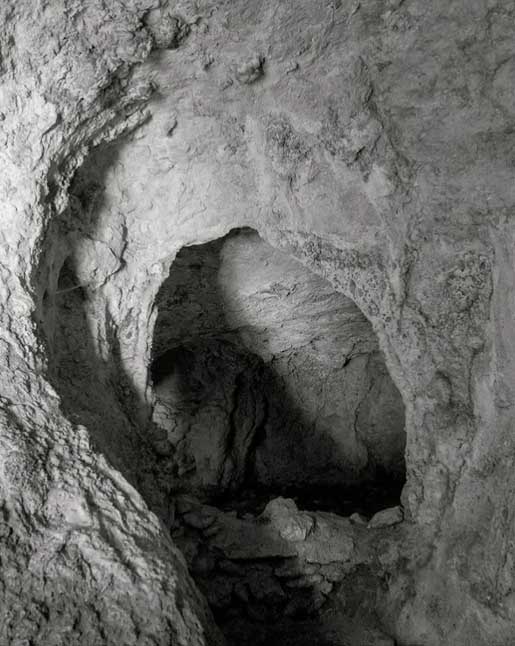
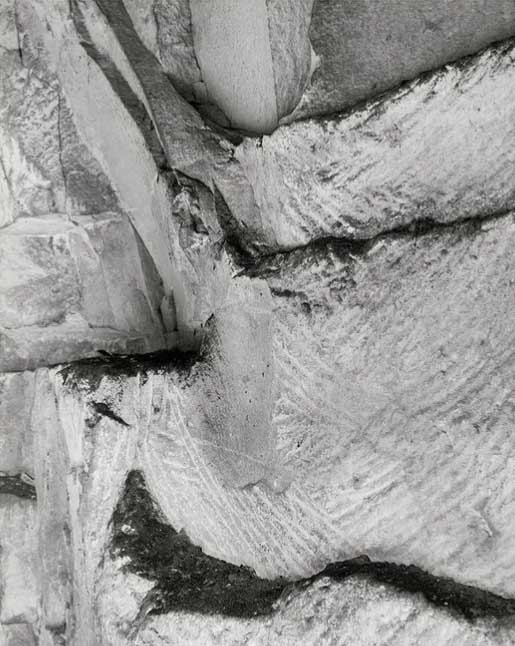
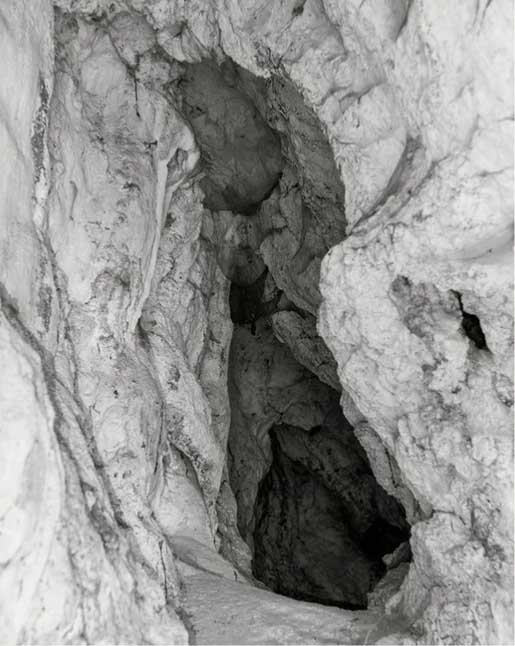
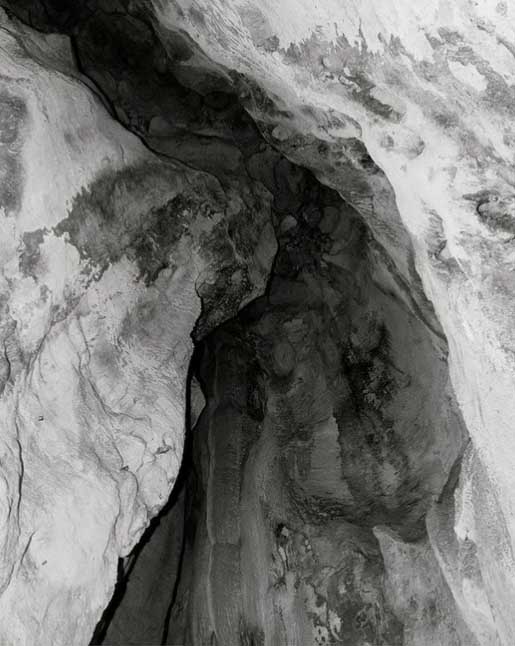
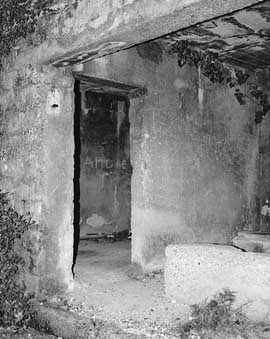
Above: a selection from Il Malocchio. Below: a selection from Antro
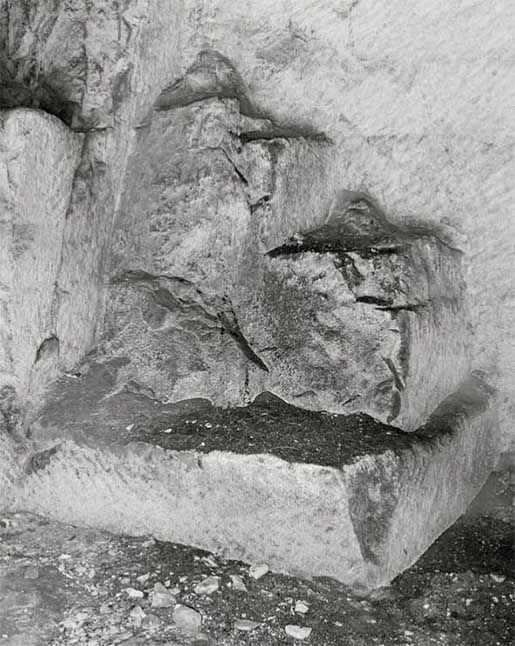
Could you share some insights about your series “Antro,” which is also available as a photobook? I understand you began developing this body of work during the pandemic—could you elaborate on that experience?
Like many others during that period, I was getting less active and started exploring mainly around my home. I sought out quiet, less-traveled spots, which led me to visit abandoned quarries and caves nearby. I wasn’t focused on a particular project; I just kept going back to these places to take photos. The support from Kultbooks was also crucial, as they became interested in my work and believed it could develop into a book. From there, the project began to take form.
Your work often features nature. Do you treat it as mere background, a living participant, or a reflection of the psyche?
I’m more intrigued by the places we encounter—those that have been traveled through, changed, or even left behind—than by nature itself. I see these locations not as having a fixed identity, but as a network of signs waiting to be interpreted, almost like a language I’m unfamiliar with and am trying to decode through my photography. If those images end up reflecting something deeper within me, I believe it happens without any conscious effort on my part.
Could you share your approach as an emerging artist when it comes to submitting your work to open calls, galleries, and editors?
I’ve never been great at this. Honestly, I don’t do much to promote my work beyond posting on Instagram. Maybe I’m off base, but I like to believe that if a piece has something meaningful to say, it will eventually get noticed. Plus, I primarily take photos for my own enjoyment. If they end up finding their own audience, that’s just a bonus!
You’ve published two books: Antro and Il Malocchio. Could you share your experiences with the publishing process, including any challenges you faced in finding a publishing house? Also, have you ever thought about self-publishing?
I’ve never really searched for a publisher; it all came together naturally when I met people who appreciated my work. However, self-publishing has interested me for quite a while, and I think I’ll give that a shot eventually.
What tips would you share with younger photographers or artists looking to begin their journey in photography?
I don’t really have a lot of advice to give, but maybe one thing to keep in mind is not to rely too heavily on others’ advice—starting with this one!
Thanks once again for joining the interview, Andrea! Keep up the fantastic work!
Thank you! It’s been a pleasure!
All Images © Andrea Simonato