

CELINE CROZE
We’re thrilled to have you here for this interview, Celine! To kick things off, would you mind sharing a little about yourself and your early experiences with photography? What motivated you to follow a career in this field?
I actually came to photography quite late.
When I was a child, my grandmother was always carrying this huge Canon camera. She would go through rolls and rolls of film, shouting because of a beam of sunlight or the color of a flower. Looking back, I think that’s where I first learned that images could matter. But I never imagined becoming a photographer.
In 2011, I was working in cinema. I wanted to become a second assistant camera on a feature film in Morocco. They didn’t hire me for that position but instead offered me the job of still photographer. The only problem was that I didn’t own a camera. I borrowed money from my mother and bought a Canon 5D Mark II at Derb Ghallef, Casablanca’s famous black market. It was probably one of those cameras that had “fallen off a truck,” as we say.
After one week, I was fired.
But I kept the camera.
At first I only used it for video. Then, in 2015, while working as a first assistant camera on a feature film in Venezuela, everything changed. I fell in love with a gangster and simply started photographing my own life. I wasn’t thinking about photography. I wasn’t making a project. I was just trying to understand what was happening to me.
Years later, in 2019, I finally showed that work. It became SQEVNV. That was really the beginning. For a long time, every exhibition or publication felt like a gift, almost like an accident. Even today, saying “I’m a photographer” still feels relatively new.
And I’m still using the exact same camera.
Have you participated in any formal photography courses, like workshops or similar programs?
No. I never studied photography and I’m entirely self-taught.
In 2017, I discovered Antoine d’Agata’s work. Until then, I didn’t even know that this kind of photography could exist. It opened a door. I realized there was space for a visceral, instinctive and deeply personal approach to photography.
Later, I attended one of his workshops organized by VOID in Athens. It was an important encounter, but above all it confirmed that I had to keep following my own path.
Do you primarily shoot with analog cameras, or do you also enjoy digital photography? If analog is your preference, I’d love to hear about your development process. Do you develop your own films and print in the darkroom? I’m eager to learn all the details!
I do shoot film, but only for myself. Those are family photographs, memories, fragments of everyday life that I’ve never shown publicly.
Everything else is digital—and always with the same Canon 5D Mark II.
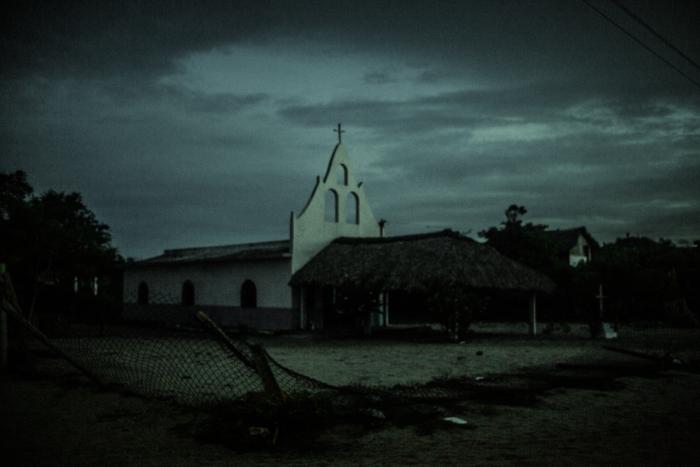
Ironically, I probably use my digital camera as if it were loaded with film. I constantly underexpose my images, sometimes by one, two or even three stops, and recover them later in postproduction. I push the sensor to its limits. The texture in my photographs doesn’t come from adding grain afterwards; most of it is simply digital noise. I like that fragile material. It feels alive.
Color is also created almost entirely while shooting. I rarely try to reproduce reality faithfully. I often use white balances or color temperatures that are the opposite of what should technically be done. I’m interested in creating a physical sensation rather than a correct color.
Do you remember the very first picture you ever took?
Yes, I do.
My father gave me a small medium-format film camera when I was a teenager. We went to Merzouga, in the Moroccan desert, and those were the first photographs I ever made.
When I got the films back from the lab, I remember being genuinely surprised. They were just tourist photographs of beautiful sand dunes, of course. But something else had found its way into the images. There was something of the silence, the energy, the immensity of that place.
I didn’t have the words for it then, but I think that was the first time I understood that a photograph could hold more than what it simply shows. Looking back, I realize I was already trying to get closer to the things that call us.
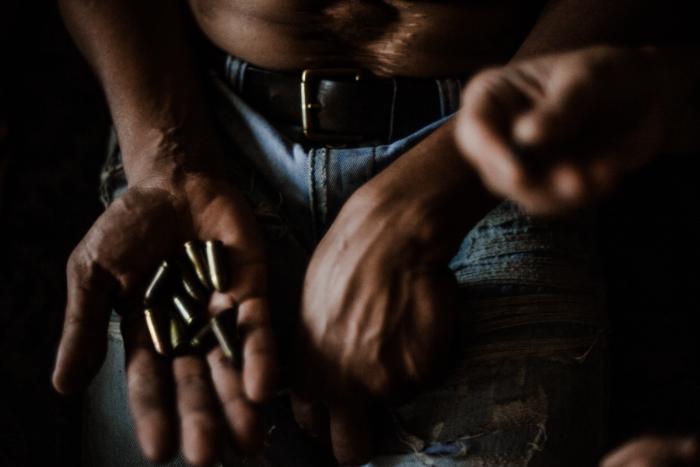
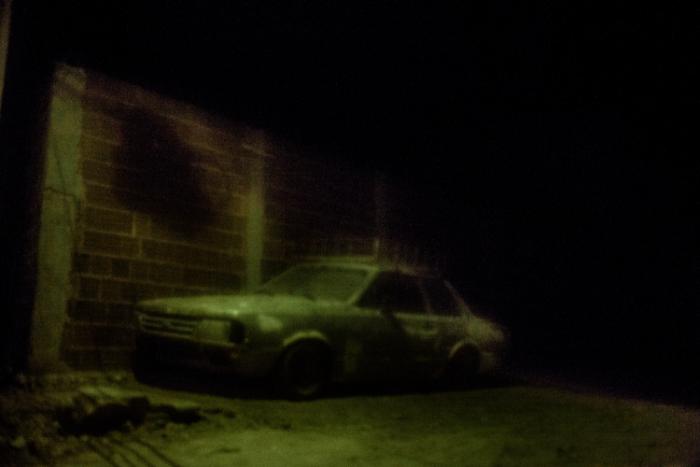
What core aesthetic or mood defines your images?
I’m not sure I’m the right person to describe my own photography. I think style belongs more to the people who look at the work than to the person making it.
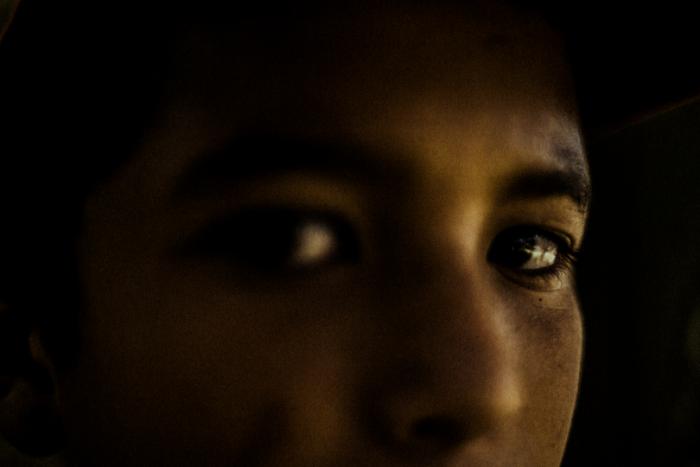
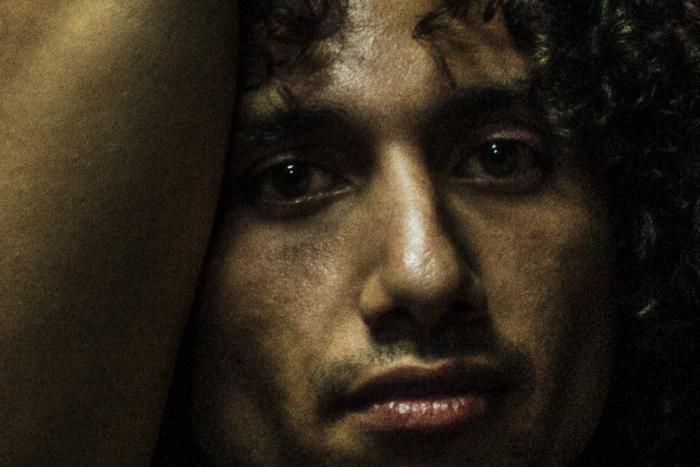
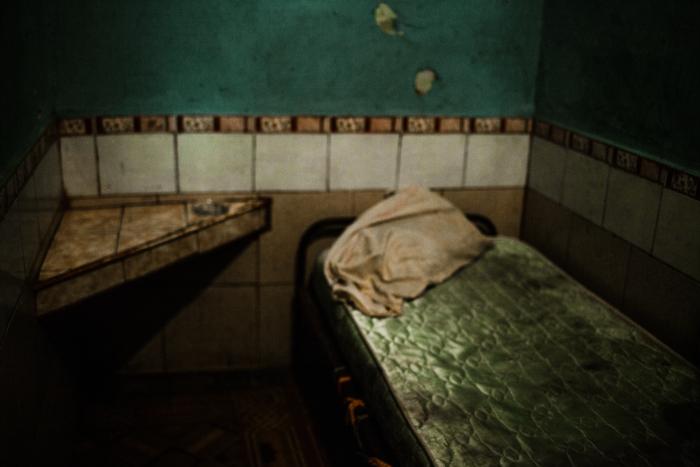
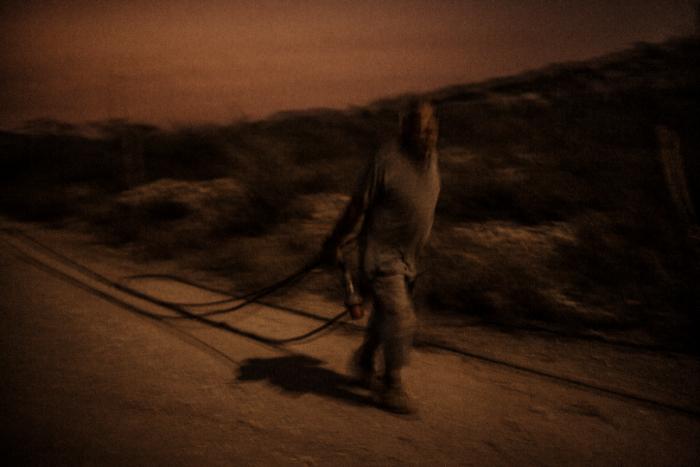
What I can talk about is what I’m searching for. I’m constantly experimenting with colour, trying to let it carry the same emotional weight as light. I’m drawn to chiaroscuro and to images that echo painting, where light reveals as much as it conceals.
More than anything, I’m trying to get as close as possible to something organic. I want the image to feel alive, almost physical—to have a skin, a texture, a density. Less like a representation than a piece of matter.
If there’s a style, I hope it emerges naturally rather than intentionally.
Could you tell us about the inspiration behind your body of work “Siempre Que”? What were your initial goals for the project, and what processes did you use to bring it to life?
There was no original intention. Siempre que estemos vivos nos veremos wasn’t a project at first. I was simply living my life.
Siempre que estemos vivos nos veremos began in Venezuela in 2015. I was working as a first assistant camera on a feature film in Caracas. Every evening, I had to cross corridors controlled by a gang to return the camera equipment. That’s where I met Yair, the gang leader. The production team kept telling me not to talk to him. Instead, I started living a double life.
He used to send a motorbike to pick me up, and we would meet on the rooftop overlooking Caracas. He told me about his life, the guns, the fear, the deaths and the impossible dreams. Three months later, he was murdered.
After Venezuela, I worked in Guatemala and Mexico. I kept meeting the same faces, the same scars, the same way of living on the edge. I realized I wasn’t photographing one person or one place anymore, but something that kept reappearing in different lives.
That was the process. I photographed instinctively, without thinking about a body of work. It was only years later, looking back at the images, that I understood they all belonged to the same story.
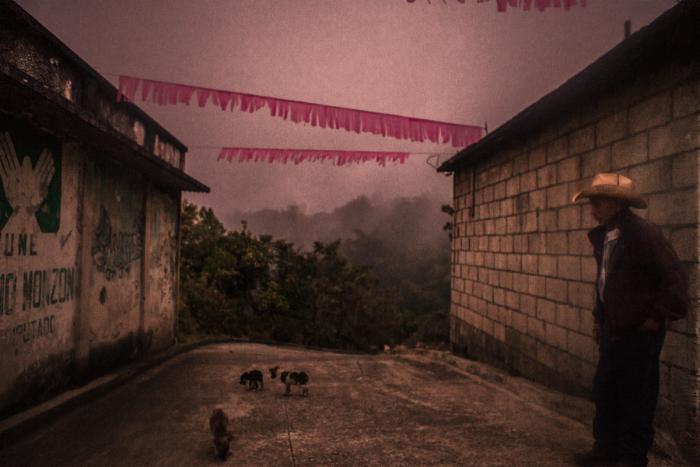
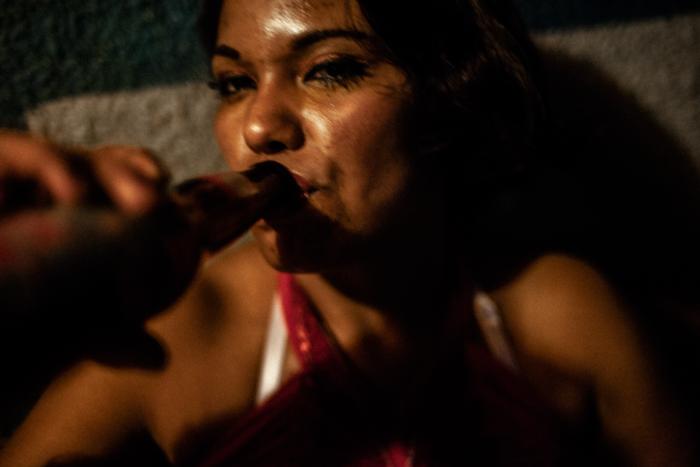
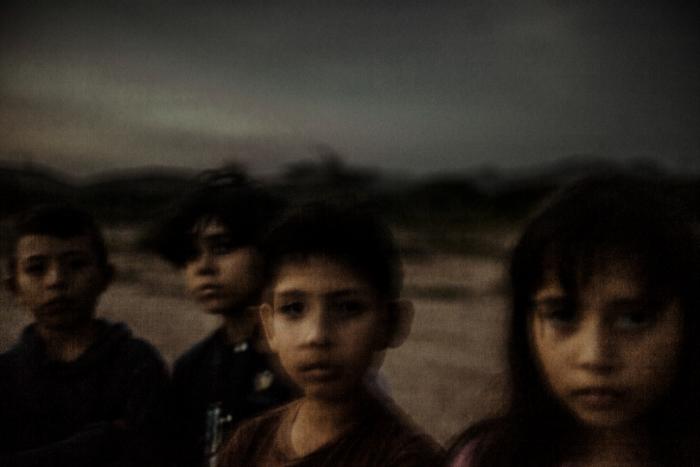
Above: a selection from Siempre Que. Below: a selection from Mala Madre
Could you share some insights about your series “Mala madre”?
Mala Madre began with the discovery of a plant in a cemetery in Venezuela. Its botanical name is Kalanchoe daigremontiana, but there it is known as Mala Madre—the “bad mother”.
At night, people dig up graves searching for gold buried with the dead. Shrouds cover the ground and restless souls seem to wander endlessly. Yet I couldn’t stop looking at this plant. I was fascinated by the way it had made this place its own. Its mere presence brought tenderness back to a place that had been completely profaned.
I became obsessed with it. It had opened a crack into something much more intimate.
At the same time, I was meeting children known as the Dejados Atrás—”the left behind.” Since 2015, millions of Venezuelans have left the country, many forced to leave their children behind. Their stories stayed with me.
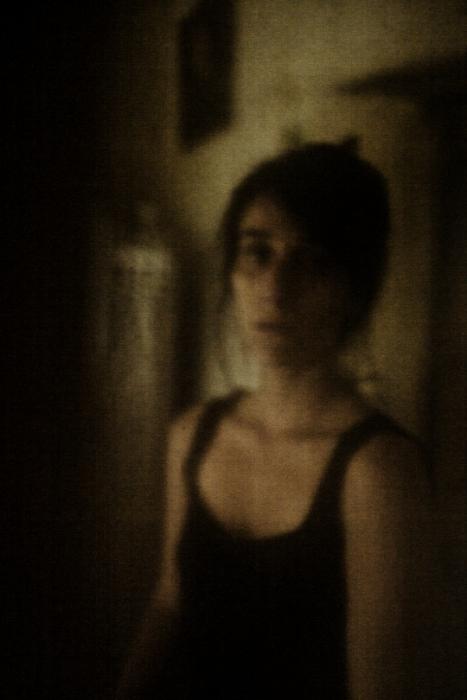
A tale slowly emerged. It tells of a woman waiting for the man she loves. He never returns. She becomes Mala Madre, the mother of all the abandoned souls.
The more I lived with this tale, the more I realized it was speaking about the same wound. Not only the abandonment of one woman, but the abandonment of these children, of an entire country… and, inevitably, something deeply personal.
I didn’t want to reduce these lives to a political crisis or turn them into a documentary report. The tale became a way of preserving their dignity, while speaking about a wound that belonged to all of us.
Your reportage work often delves into themes that some might consider risky. Have you ever encountered a tricky situation while capturing images for a project?
I don’t really think of my work as reportage, and I think that already changes a lot. I don’t go somewhere to photograph people. I end up somewhere because life brings me there, and if I stay, it’s because I meet people and become part of their daily life. I photograph from within, not from the outside. In that kind of relationship, the danger is already much smaller, because I’m not seen as someone taking something from them.
Of course, I’ve had moments of fear. I’ve spent time in places where violence was part of everyday life, and sometimes I’ve found myself in situations that could have gone very wrong. But I think danger often comes from life itself. You can be in the wrong place at the wrong time anywhere in the world. Maybe it’s fate. I don’t know.
I don’t live with fear, and I never judge the people I photograph. I think it helps.
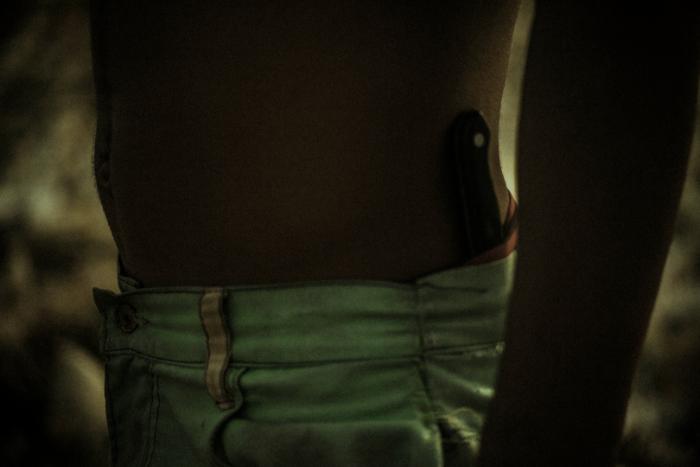
Your images really capture a stunning cinematic noir vibe. Could you share your process for creating such an atmosphere?
I’d love to be able to create that kind of atmosphere, but I don’t think I do. I’m simply where it already exists.
I’m drawn to places that feel inhabited, places that carry something beneath the surface. Then it’s simply a matter of being present enough to see it.
You were part of Temps Zero. can you tell us your experience with it and how it improved your career as a photographer?
I took part in Temps Zéro for the first time this year, so it’s still too early for me to talk about its impact on my career.
What I can say is that the invitation meant a great deal to me. I’ve admired the work of many of the photographers involved for a long time, so it was a real honour to be part of the projection in Toulouse.
More than anything, it felt like joining a community of photographers who share a singular and deeply personal way of looking at the world. Photography can be a solitary practice, so finding people whose work resonates with your own is something rare and deeply meaningful.
Could you share how you, as an emerging artist, go about submitting your work to open calls, galleries, and editors?
I’m very sorry, but I don’t have a formula. I wish I did. Every submission is different.
I only apply when I genuinely feel that my work belongs in the context of an open call. I never build a project around a theme or create work just to fit a call. The project always comes first.
Unfortunately, rejection is part of the process. It can be frustrating, but I’ve learned not to take it personally. Sometimes it’s simply not the right place or the right moment. I just keep working.
With galleries, it’s different. I think it’s important to look at the artists they represent and ask yourself if you feel close to that vision. Not every gallery is the right fit, and I believe the hardest part is figuring out where your work belongs and who you would like to be represented by.
I feel the same about publishers. I try to approach publishers whose books and editorial vision I love. Then, if I have the chance to meet them, I simply talk about my project as honestly as I can. I think that’s all you can really do.
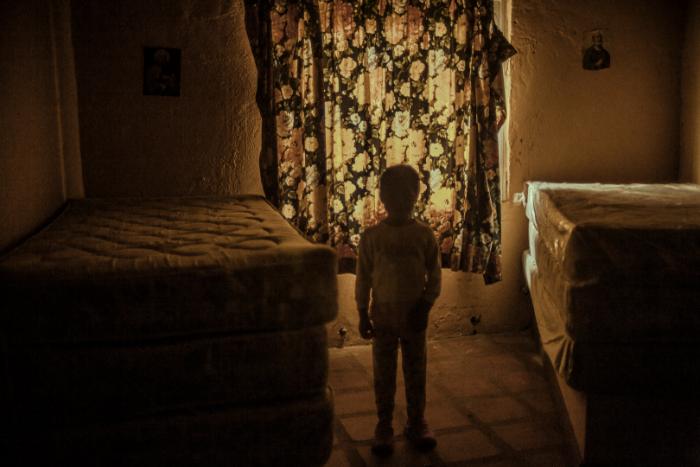
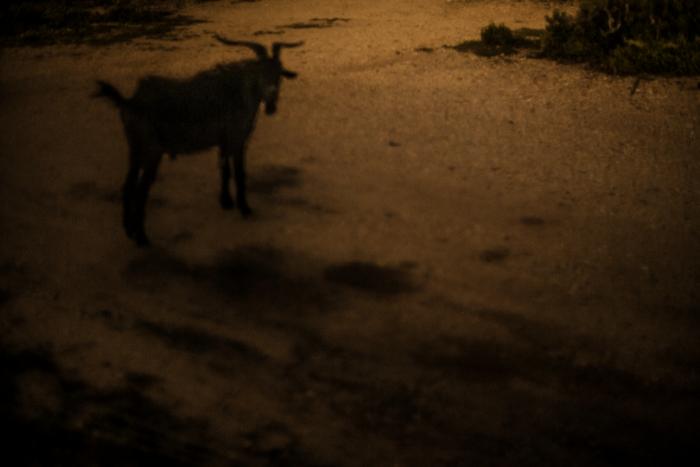
Your series “Siepre Que” has been published as a photobook with Lamaindonne. Could you share your experiences with the publishing process, including any challenges you faced? Also, do you have plans to publish more in the future?
Working with David Fourré from Lamaindonne was a wonderful experience.
We immediately shared the same vision for the book, so the editing and sequencing came together very quickly and very naturally. From the beginning, we agreed that the images had to occupy the whole page. We wanted the book to absorb the reader, to create a physical experience rather than simply presenting photographs.
That doesn’t mean everything was easy. I struggled for a long time to find the right cover, and I became almost obsessive about the typography. David was incredibly patient and trusted me with those decisions.
One of the most valuable things I learned was how important an editor’s experience can be. I had a very specific paper in mind, but David explained that it wouldn’t work for this project. My photographs are often very dark, and a lot of the image lives in those subtle black tones. The paper I wanted would have absorbed too much ink and wouldn’t have reproduced those nuances faithfully. Those are things you don’t necessarily know as a photographer, and it’s where a good publisher makes all the difference.
Publishing can also be unpredictable. Another project, Mala Madre, was supposed to become a book with a publisher. We worked towards it for almost two years, and in the end it didn’t happen. When you’re committed to one publisher, you stop looking elsewhere, so starting again from scratch can be difficult.
Looking back, I think I’ll probably self-publish Mala Madre. It feels important to bring that story to life and finally bring it to a close.
And yes, I already have other projects that I hope will become books in the future.
Are you the one who builds your sequences, or does an editor help you finish it?
I create my own sequences.
Coming from cinema, I naturally think in terms of montage. I build my sequences through rhythm, tension and narration, almost as if I were assembling a film.
I’m very ruthless with my own work. I try to strip everything down to its essence, to get as close as possible to what really matters. Sometimes I’m probably too radical and remove images that should have stayed.
That said, I always value another photographer’s or editor’s eye. Fresh eyes can reveal things I can no longer see.
When it comes to books, it’s a little different. Every editor brings a different perspective. I’m always open to discussing the sequencing, but I rarely change the core narrative. Images can move, the rhythm can evolve, but the story itself usually remains the same.
What does photography mean to you?
Photography isn’t a choice for me. It’s an instinct. Almost an animal impulse.
I don’t decide to make a project. Something calls me—a place, a person, an animal, a story—and I simply follow that feeling.
Every project begins with an encounter. My intuition leads the way long before I understand why. Then, little by little, the images start speaking for themselves.
Photography allows me to understand what I couldn’t see before. It teaches me something about people, about places, but above all about myself. Every project changes me before it becomes visible to others.
In the end, photography isn’t about answers for me. It’s about getting closer to something I still don’t fully understand.
What tips do you have for young photographers or artists looking to start their journey in photography?
Trust your intuition. Don’t make work for other people or for what you think the art world expects from you.
Thank you for participating in the interview, Celine. Keep up the fantastic work!
Thank you. It’s been a pleasure!
All Images © Celine Croze

