TARAS PEREVARUKHA
Welcome to Lucida, Taras! Thank you for joining us for this interview. To kick things off, could you share a little about yourself and what inspired you to begin your journey in photography?
I first picked up a camera as a teenager when I joined a local photography club. That was my first encounter with film and the darkroom. We developed and printed a lot, but shot relatively little, because film was a limited resource at the time. For me, it felt like magic. The process of an image appearing had a very special weight. Later, as an adult, I bought my own camera and began to photograph more consistently. It was a long journey from a more intuitive and experimental approach, through commercial work, and then back again to personal projects. Today, photography has a central place in my life. It has been almost twenty years of practice.
In 2014, I had to leave my home in Eastern Ukraine due to war. Moving to the United Kingdom in 2021 created an even greater distance from my roots, language, and familiar surroundings. This sense of displacement subtly influences all my work—not as a direct theme, but as a unique perspective.
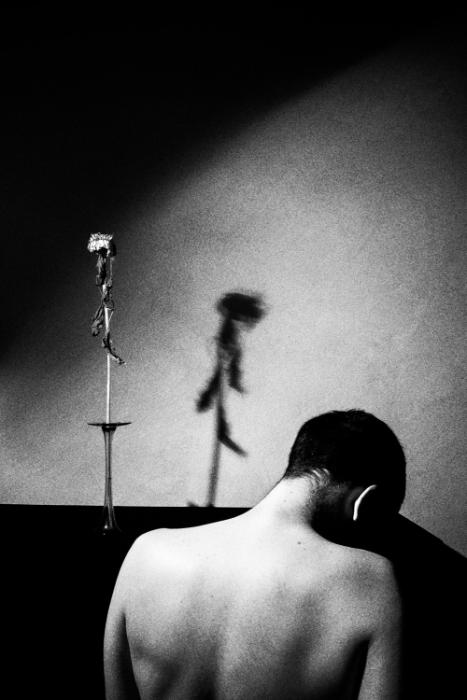
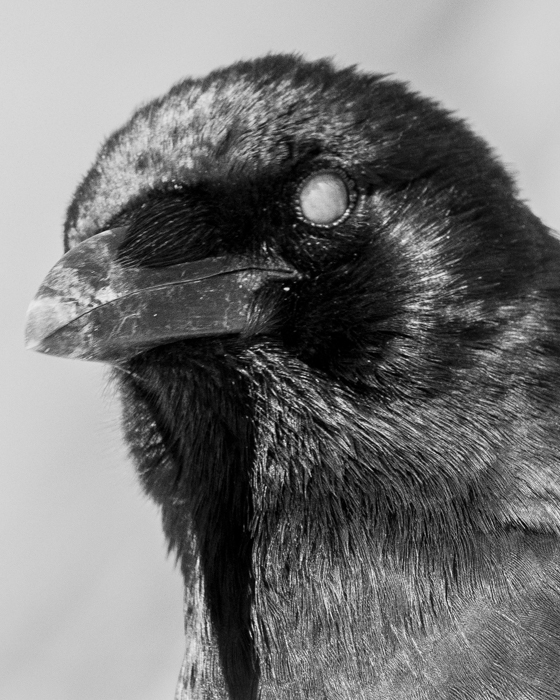
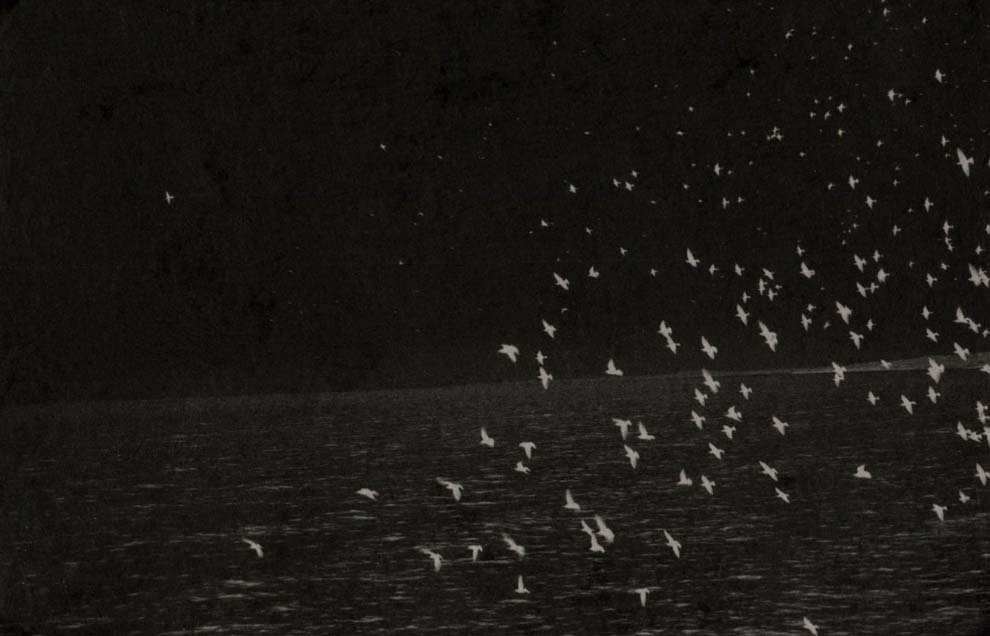
My photographs capture stillness, transitions, and those fleeting moments before change occurs. I focus on emptying villages, paused landscapes, and objects that embody the passage of time. I’m particularly drawn to what remains and what is on the verge of disappearing.
I take my time with my work, creating small editions and engaging in personal projects that may take years to finish. For me, a photograph carries a tangible presence, infused with weight, texture, and the essence of time. I embrace the idea of incompleteness, finding meaning in silence, and exploring the space between what is visible and what remains unspoken.
Do you remember the first photo you ever took?
Yes, I clearly remember two moments. The first is from childhood: I have a vivid memory of photographing my friend on a frozen lake where we were ice skating, though the image itself no longer exists. The second is my first conscious shoot at home after buying my first camera around 2006. One of those early photographs still resonates with me and in some way already reflects how I work today.
How would you describe your photography style?
I am interested in what is usually overlooked: internal states, emotions, solitude, nature, and the sense of time. I often use a documentary approach, but what matters is not documentation itself, but the transmission of feeling or atmosphere. I am drawn to simple moments and familiar scenes where something deeper can emerge. I find it important not to give answers, but to create a space in which the viewer can pause and experience their own associations and emotions.
Have you received any formal education in photography, like attending workshops or similar programs?
I don’t have a formal education in photography. Most of my development came through self-learning, practice, and trying to find my own approach. In the beginning, I attended a few workshops and seminars, but the main development came through shooting and continuous independent exploration. This was around 2006–2010, when there was significantly less information available online compared to today.
What does photography mean to you?
Photography is a way of seeing the world and understanding myself. Over time it has become a language through which I communicate with others, a way of noticing what is usually overlooked and processing personal experiences and emotions. It is no longer just a medium or profession; it has become an essential part of how I live and perceive reality.
Do you work with both analog and digital photography? If you focus on analog, could you share your development process? Do you develop your own films and print in a darkroom?
I work with both analog and digital photography, depending on the project and the result I want to achieve. Some of my projects are entirely shot on film, such as Emptiness, while others are digital, especially in recent years. I also occasionally use a Polaroid SX-70; I am drawn to its unpredictability and the physical nature of the image it produces. I usually send my film to professional labs for development, as I don’t have the technical setup or time for darkroom work. I produce archival pigment prints myself to maintain full control over the final image, which also allows me to experiment with paper, textures, and printing approaches. At the same time, I delegate some alternative processes such as photopolymer or screen-based printing to specialized studios. I enjoy experimenting with printing; for me it is not a separate stage after photography, but an essential part of the photographic process itself.
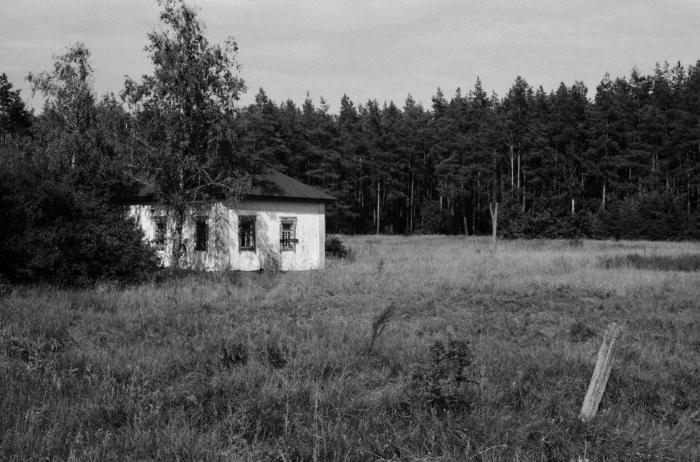
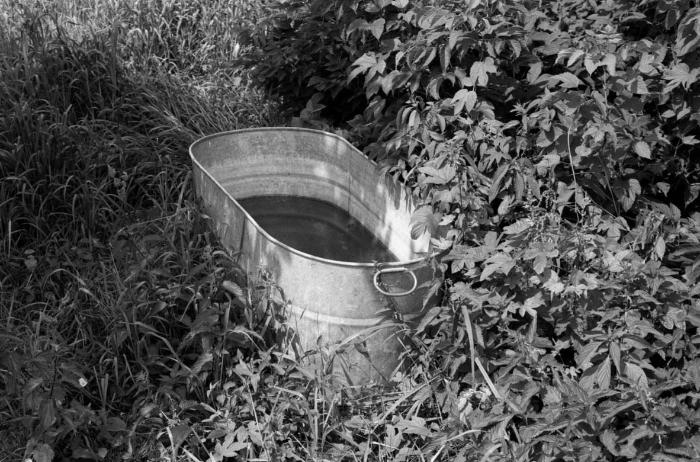
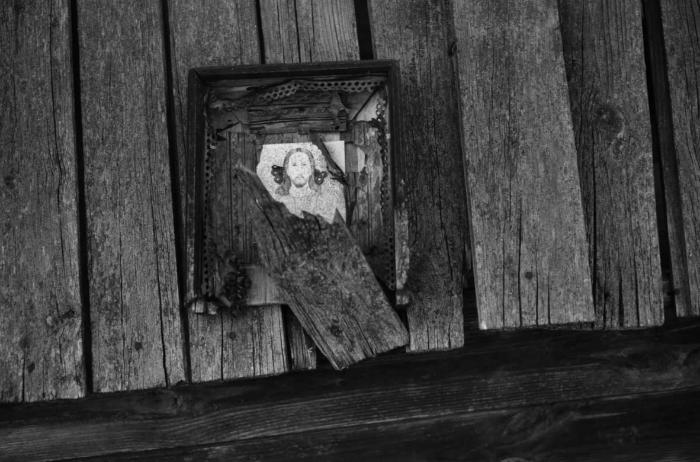
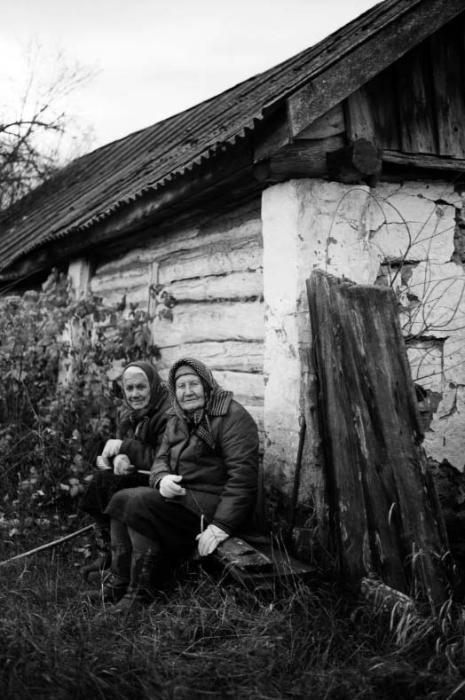
Above: a selection from Emptiness
It looks like your work has roots in Ukraine. Would you mind sharing the story behind your project “Emptiness”? What were your initial intentions or goals for it? Could you also describe the processes you used?
This is one of my major projects, shot in Ukraine entirely on film. The title Emptiness comes from my internal state when I returned to my childhood place and saw how much it had changed and emptied out. There were almost no people left, many houses were abandoned, and the space felt extremely quiet. It created a sense of emptiness both outside and inside. The project became a personal observation of rural life and the gradual disappearance of these places. I initially planned to continue the series across different regions, including eastern Ukraine, but with the start of the full-scale war this idea lost its possibility and meaning. The country changed, and the project remained unfinished in the way I had originally imagined.
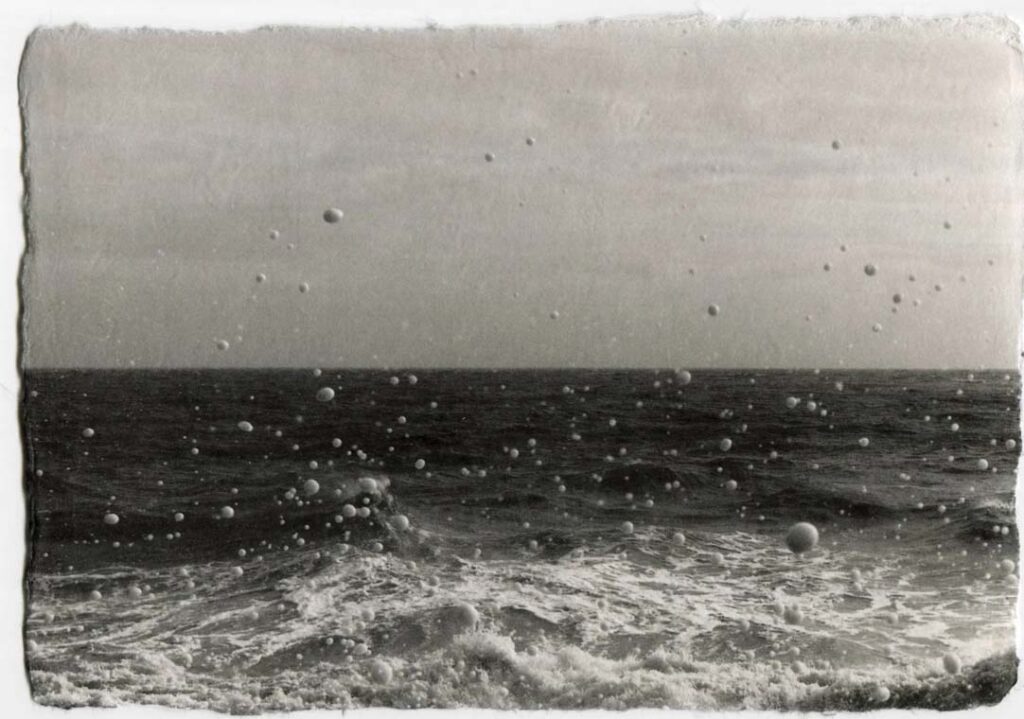
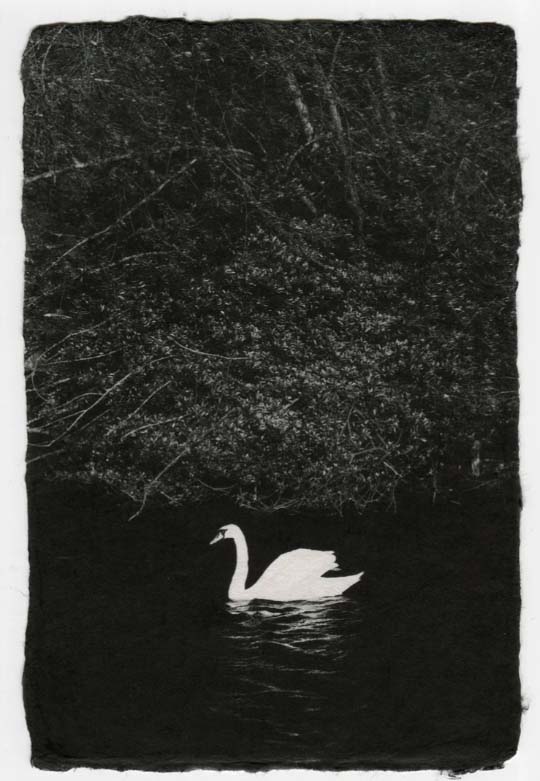
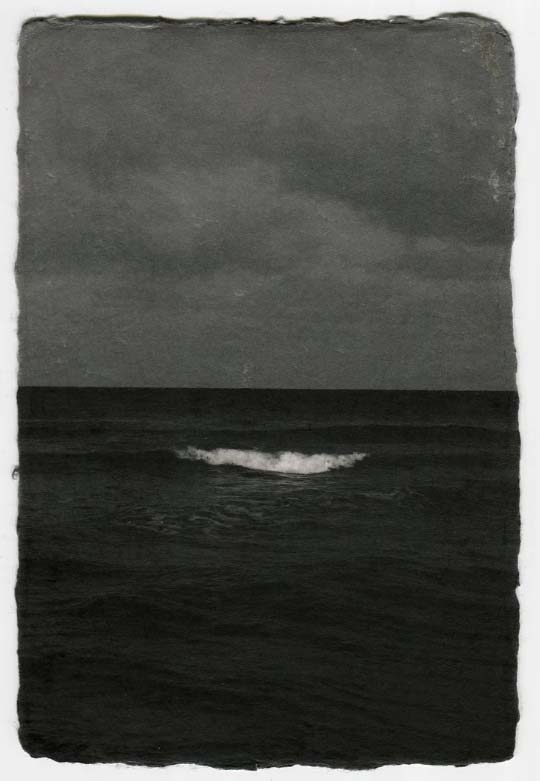
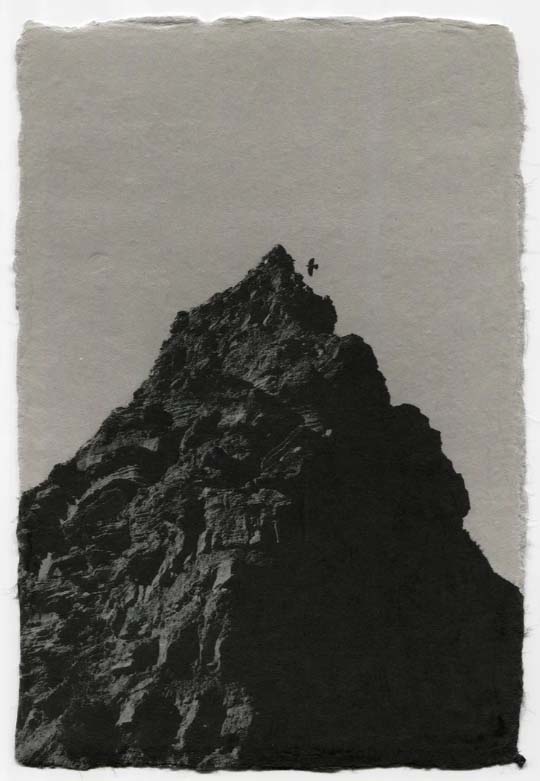
Could you share some details about your print series “At Close Distance. You Have Seen It Before”? I understand they are handmade prints on washi paper. I’d love to hear about the process involved!
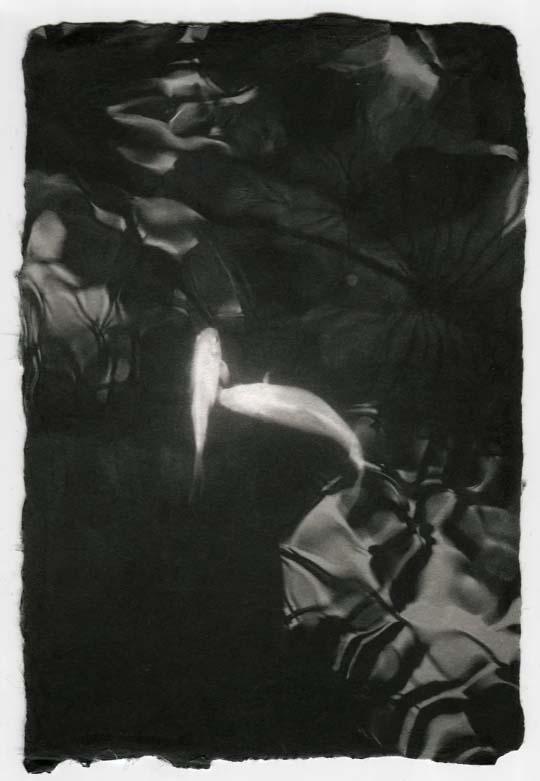
This is one of my ongoing series and can be seen as a culmination of my recent work. It is about simple things in everyday life that are often overlooked. In today’s fast-paced world, it is an attempt to slow down, look more carefully, and feel the moment. The prints are small (10×15 cm), a conscious decision to bring the viewer physically closer to the image. I want the space between image and viewer to almost disappear at that moment of closeness, allowing a different kind of attention to emerge. The prints are made on handmade Japanese washi paper, making each piece unique through its texture and edges, and they are produced using archival pigment printing for longevity.
Your work often delves into the connection between humans and nature. Do you view nature as a backdrop, a character, or maybe a reflection of our emotions?
For me it is not a single definition but a combination of all of these. Nature is a space we exist in, but it also affects us emotionally. What interests me most is the experience of being in nature itself. Sometimes I am drawn to the beauty of a place, sometimes to the emotion it evokes. I feel that nature does not simply reflect inner states but allows us to experience them more deeply. My images often begin from this moment: I see something, respond emotionally, and try to translate that feeling into a photograph.
Having relocated from Ukraine to London because of the war, have your views on identity, belonging, and cultural influences evolved over time?
I moved to London before the war. There was a period when I kept photographing but didn’t understand why; the images existed, but meaning disappeared. It became a process of searching for myself within photography through feeling, archive, and slow understanding. I am a photographer wherever I am. Distance has made me more attentive to details and subtle moments. My identity has not changed, but my perspective has expanded.
Could you share how you, as an emerging artist, approach submitting your work to open calls, galleries, and editors?
There are many interesting awards and platforms that can create visibility and connections, but at the moment I rarely submit to competitions or open calls. I consider editors and curators very important, as they can contextualize a practice. What remains most interesting is a direct dialogue with a curator or gallerist who sees the work and wants to present it. That is why the main focus should remain on the work itself.
You published an artist book independently. Would you be willing to share your experience with self-publishing, including any challenges you faced? Also, do you have plans to publish more in the future?
The idea of creating a book came from the desire to give my work a form that reflects it as precisely as possible. The book was the result of Inner November, a project developed over four years. It is an artist book where I aimed to preserve the feeling of the series as a whole. I wanted to create an object where print quality and materiality are as important as the images themselves. For me, a book is not just a medium but an art object to be physically experienced. The process was complex and labor-intensive as I produced everything myself. Now I am working on a small zine as the next step, more accessible but still focused on print and material quality.
Do you develop your own sequences, or do you collaborate with an editor or curator for assistance?
I usually work independently and form sequences intuitively, following my own sense. All my projects are personally important and connected to my experience. At the same time, I am open to collaboration with editors or curators if it helps to see the work from a different perspective.
What tips do you have for young photographers or artists looking to begin their journey in photography?
One of the biggest problems in photography today is speed: the speed at which images are viewed, produced, and consumed. Social media has created an environment where quantity often outweighs quality and attention becomes fragmented. It is easy to lose depth and one’s own voice in this context. My advice is to spend more time thinking about how and why you look and photograph, rather than how it will be received. Less focus on algorithms and reactions, more on personal attention and inner motivation.
Thank you for taking the time to participate in this, Taras
Thank you!
All Images © Taras Perevarukha