MARCO RAPACCINI
Thank you for participating in this interview, Marco. First, could you tell us a little about yourself and your first experience with photography? What made you want to be a photographer?
Thank you for asking me! I believe that photography—at least in the beginning—creates the illusion that we are claiming something we desire, something we can then rework and reshape until we make it truly our own.
What does photography represent for you?
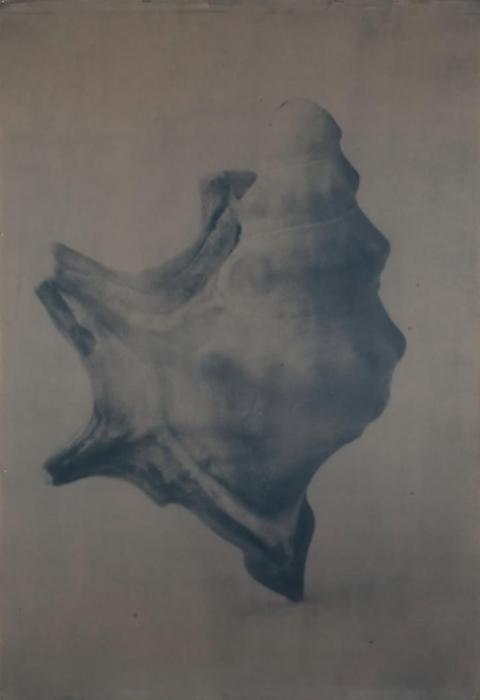
For me, photography encompasses a wide range of meanings, making it challenging to pinpoint just one. I understand that my interpretation of “photography” might differ from others. It’s fundamentally about experimenting with light and its effects, and then organizing those experiences, which helps me make sense of the world and serves as a way to preserve memories. Ultimately, the interplay between my desire to understand and my urge to create fuels my journey of transforming ideas into images.
Do you happen to remember the very first photograph you took?
Unfortunately, I don’t, but I doubt it was anything too remarkable.
Have you received any formal training in photography, like workshops or courses?
While I don’t have formal training, I’ve participated in numerous courses and workshops that have been incredibly beneficial. The most significant experiences for me were the years spent as a dedicated student, always with my camera in hand, and the countless hours I spent in the darkroom. However, I believe that none of this would have been possible without the right influences—images, books, exhibitions, and especially the people I met along the way.
How would you characterize your photography style?
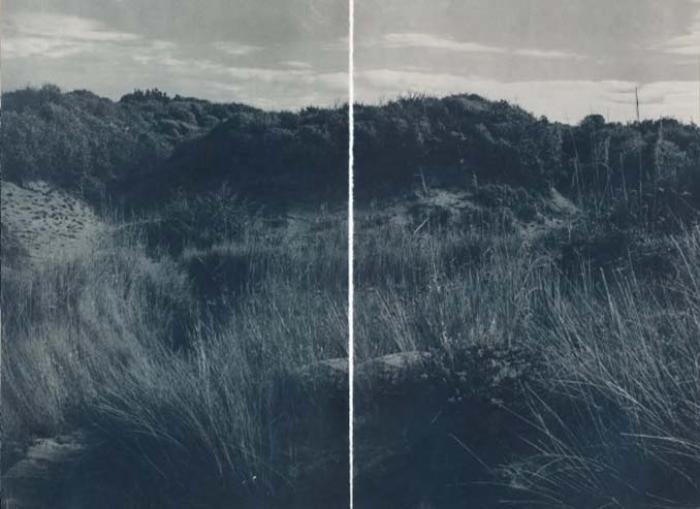
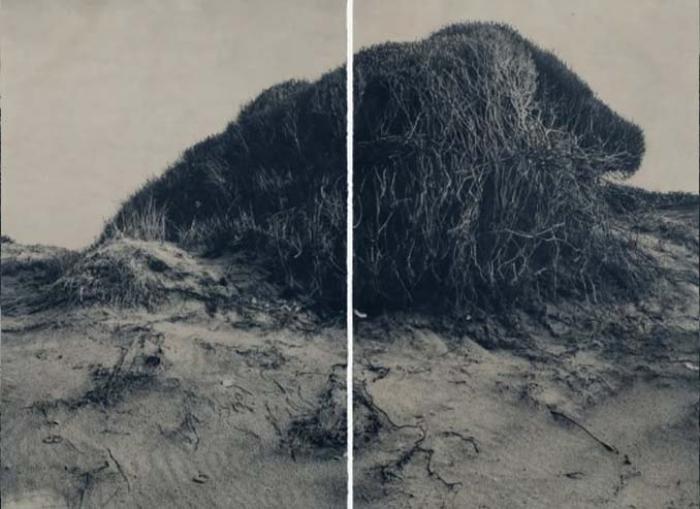
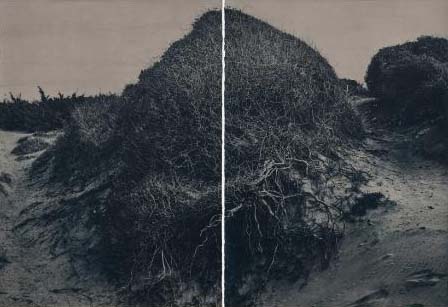
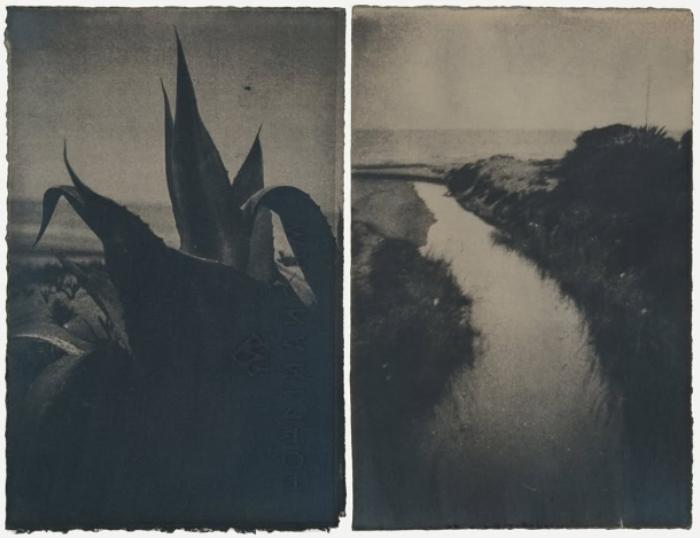
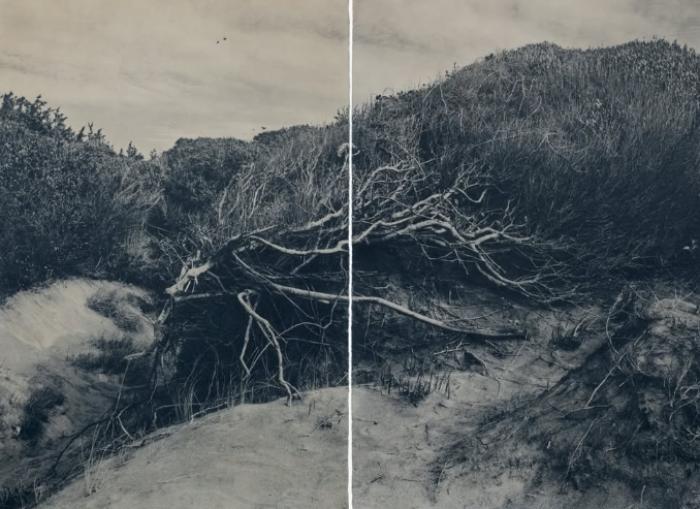
I’m not sure I’d call it a distinct style. It’s more like a translation of my fragmented vision into prints, shaped by the techniques I use. That’s really the heart of my photographic process. When I work on a diptych or triptych, I don’t use sections from the same image; instead, I choose photos taken at slightly different times and angles. There’s always a spatial and temporal gap between the images, and that gap fascinates me. Another type of diptych I create pairs a short exposure with a long exposure of the same subject. My sequences are based on the same idea, but I capture eight or nine frames per second. These images are arranged in a grid, allowing viewers to see them all at once, encouraging them to piece together the movement. My goal is to reconstruct the fragments so that the temporal narrative unfolds alongside the spatial one, creating a cohesive story. I aim to use time as a material in my photography as much as I can, drawing inspiration from thinkers like Bergson, Deleuze, and Didi-Huberman.
Alternative old processes are a big part of your practice. Can you share your thoughts on the unpredictability in your work? Do you see it as a valuable asset or just something that comes with the territory?
Absolutely—I wouldn’t want to do without it! A piece is only truly successful when it’s completed, which happens when I stop trying to print a better version. The best versions often come with their own quirks; I wouldn’t know how to create two identical prints, and honestly, I wouldn’t want to.
Many of your images explore the connection between memory and place. Does your work invite us to reflect on our inner selves rather than just conveying information?
Definitely! The way we remember places greatly influences how I try to represent them. There are two phases: the first is when the subject is right in front of me, present in both space and time, ideally for a while. The second phase involves the image captured by the camera. The beauty for me lies in inventing new images by mixing the ones I recall and then going back to find them—only to discover I can’t, leading me to create new ones.
Can you tell us about your body of work “Litorali”? What were your initial goals for the project, and what processes did you use?
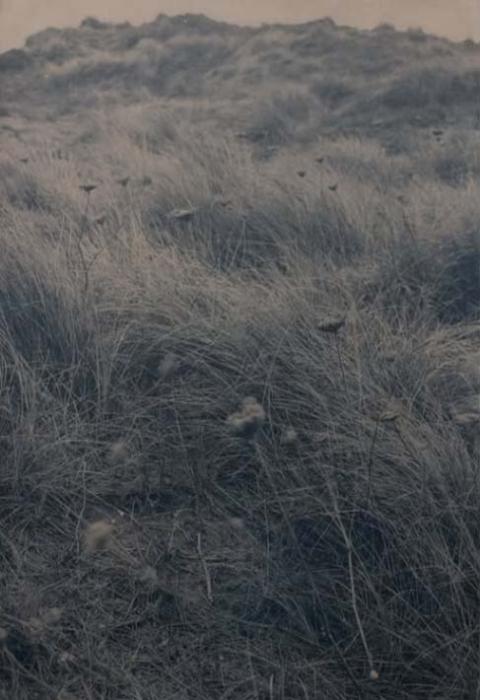
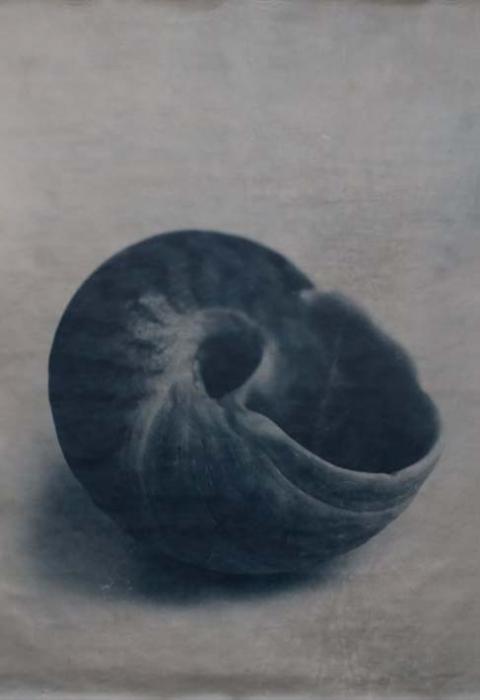
Initially, I didn’t have a specific goal; I was just drawn to the place. The first time I got a large-format camera, I was eager to test it there, just as I was with a Polaroid. I’ve been photographing that spot for years, but once I became more confident with cyanotypes, it felt like the perfect subject to translate into that technique, which is so closely tied to light, water, layering, and erosion. The processes I use echo the vast timescales of the landscapes themselves. I’m starting to gather two or three images, taken years apart, of the same dune and plant.
It seems you have a deep connection to the places from your childhood, similar to the ones I know. How have your feelings about these locations evolved over the years?
I find it challenging to view the changes along that coastline objectively. I feel like I’ve changed so much myself—and perhaps the world around me has, too—that, overall, the place still feels visually the same to me.
Do you incorporate any digital elements into your photography workflow, or do you stick to traditional methods?
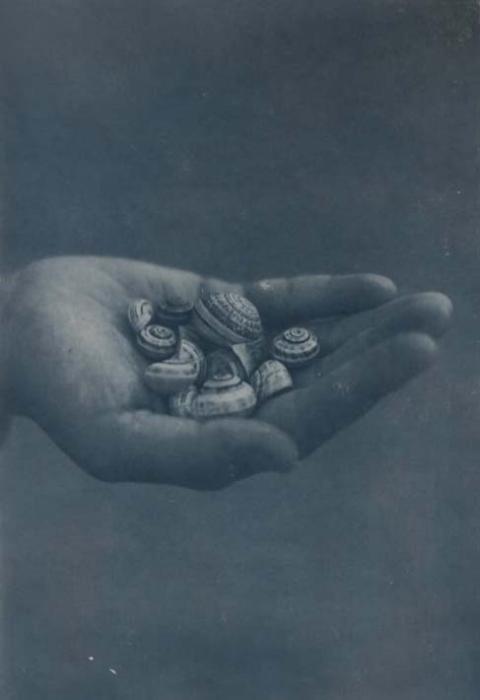
Yes, definitely! Some images start out digitally, especially those I use for sequences and animations. There’s always a digital step involved when I handle negatives, as I print them using an inkjet printer on transparent acetate. I’ve tried using a UV slide projector to keep the process analog, but the results aren’t quite there yet. I still rely heavily on negatives, paper, and photographic emulsions. I believe that in a time filled with synthetic images, it’s essential to reflect on the manual aspect of photography—interpreting “manual” as “human,” even when using a digital camera. It’s about being physically present, using light to expose a medium, and honoring the indexical nature of photography, which is what truly defines it.
When it comes to creating sequences, do you handle it all yourself or do you collaborate with an editor or curator?
I usually try to manage it myself, but I’ve learned that getting a bit of guidance can be really beneficial.
Are you thinking about publishing a book in the future?
Absolutely! I’m already experimenting with it and love doing the binding myself. I’m particularly interested in Eastern binding styles, though I recognize that I’m currently leaning towards a minimalist approach for my images in book form. I’ll definitely seek some advice on that!
You’ve been a dedicated educator at Officine Fotografiche in Rome for a while. How do you balance teaching responsibilities with your photography work?
For a long time, my personal practice took a backseat, but in recent years I’ve learned to find a balance. Teaching remains an engaging and stimulating part of my photography journey.
You’ve participated in a remarkable number of exhibitions! What’s your approach to submitting your work to open calls and galleries?
Honestly, I’m not great at that; I find pitching my work to be quite challenging. I rarely enter open calls, as I prefer to focus on photographing and printing rather than promoting or discussing my work. But I’m learning in this area as well.
What advice would you offer to younger photographers or artists looking to begin their photography journey?
I wish I had specific strategies to share! I believe that if photography fuels someone’s imagination, they should do everything possible to make it their main focus. I highly recommend pursuing formal education; while the phrase “learn how to see” may sound cliché, having guidance is truly invaluable. With the flood of images we encounter daily, it’s tough to pinpoint what’s genuinely valuable. My advice would be to keep photographing, draw inspiration from drawing, painting, and cinema to sharpen your eye, and explore literature and poetry to enhance your visual imagination—because the ability to create unique worlds is becoming increasingly rare.
Thank you for participating in this interview, Marco. It’s been a pleasure having you!
Thank you! My pleasure!