DEBMALYA RAY CHOUDHURI
Welcome to Lucida, Debmalya! We appreciate your participation in this interview. Could you share a bit about yourself and how your journey in photography began?
I am originally from India and currently based in New York, USA. Ever since I was 18, I have been photographing. Initially, it was an attempt to document life around me, to talk about my inner turmoil after suffering from a sickness that took a year to recover from, and other situations in my hometown in Calcutta, India. For the first few years, it was only a tentative attempt to find my own position in the world and to understand what photography, as a language, could mean to me. Once I left home when I was around 23 years old and found myself in New York, I started focusing on the language in a more formal way.
Have you received any formal education in photography? Perhaps you’ve attended workshops or similar programs?
I did not attend any formal photography education but was lucky enough to work and study under French photographer Antoine d’Agata during my time in New York. It was made possible by a few Magnum workshops I participated in. I worked personally with a professor at ICP years ago who is still very dear to me. From her, I learned more about ways of seeing and feeling the world, curiosity, and the philosophy behind image-making and film. I took some workshops on film development and printing, but I am self-taught and never had a degree.
How does photography help you express your inner voice?
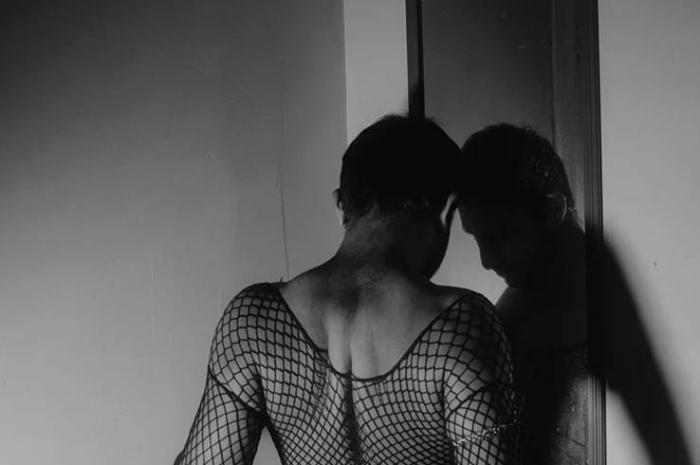
Photography, to me, is an effective language for understanding my own position in the world, questioning it, and confronting the world around me. It started off as a necessity and a way to confront my own traumas, grief, and longing. Over time, it became a way for me to connect with others, share people’s stories and vulnerabilities, and extend a hand of solidarity and kinship. The act of photography, as a gesture, has always been a personal endeavor, filled with curiosity and integral to life. Having said that, ironically, I have always maintained a love-hate relationship with it, more particularly the world/” industry” around it, because the world is far more complex and violent than what an image can reveal. In the end, photographing as a gesture remains innocent, and it only begins to reveal itself when meaning/context is inserted into it. Who views it, who assigns that meaning, and how that meaning is produced and disseminated ultimately decides the fate of the photograph.
Can you recall your first time using a camera?
It was with my father’s camera at the beach during our vacation when I was 5. He had a Zenza Bronica or a Zenith, I do not recall exactly. It was heavy. I took a photograph of my mother. He also had a 35 mm Nikon, which I used to take photos with at family events.
Can you explain your creative vision?
I would think of it as somewhere between a personal diary and a documentary. Most of my work emerges from collaborations with people over time, and to do it, there must be an element of trust and intimacy. This can only happen when I share as much as I can with those I photograph: strangers who become friends over time. I do not want to renounce this intimacy, this longing for the other, and an open mind allows me to be as involved as I can be.
Your photographic projects frequently feel like visual diaries. How significant do you find personal experience in influencing your narratives?
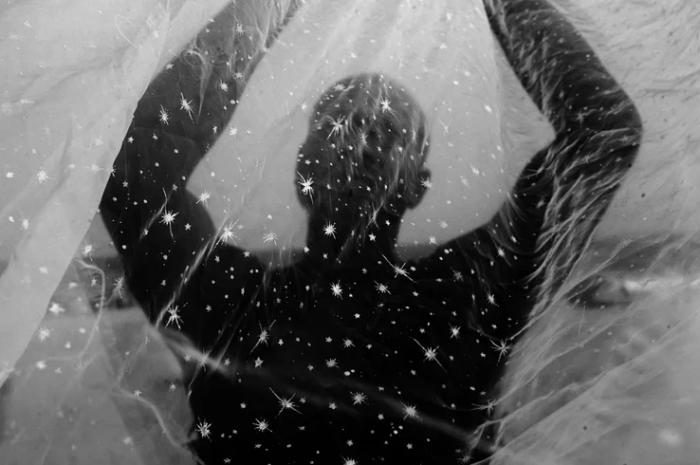
The personal experience is a critical factor, or perhaps the raison d’être behind everything I do, my practice, my relationships with people, and beyond. The personal is political, and I believe we are always making choices, voluntarily or otherwise. Who you are, what you confront, the conditions of your birth and life, what you suffer from, and what you find joy in will inevitably reflect in your work. It is my responsibility as an artist to show that and question that through my actions, my practice, my research, and life itself. Your personal history and the ability to share and find common ground become the bridge between you and the other person.
Do you work exclusively with analog photography, or do you also use digital methods? If you focus on analog, could you share your development process? Specifically, do you develop your own films and print in a darkroom? I’d love to hear all the details!
It is a mix of film and digital. I develop my own films and sometimes work with a community lab when I lack time or space. While each form has its own significance, I like the mystery and slowness that come with shooting on film cameras. Over the last couple of years, I have focused on medium format cameras, which make the photographic process more intentional, delicate, and intimate. I print my work in the darkroom when I need to and sometimes give away the smaller handprints to those I have collaborated with.
Having lived between India and the United States, how have your views on identity, belonging, and cultural influences evolved over time?
Identity, as a word itself, is constantly changing its form and function, especially in today’s world. While I came out as queer in my early twenties, the meaning of the word itself and how gender is perceived is different culturally and socially, across borders. While fundamentally, the struggles of many are the same, there are many contradictions and complexities that emerge when you view both these entities. Being an immigrant in the US and having stayed away from India for a decade allowed me to get deeper into these alternate realities. The need to find a sense of belonging may be a lifelong quest for me at this point. I am in a unique and absurd position where, today, my homeland too could be unfamiliar territory, as any foreign land I call home temporarily. I wonder what belonging truly means? Is it a feeling, an essence of a place, the people who are in your lives, or something else? Unfortunately, over the years, I have lost a few close people in India, people I could claim my ties to, which strangely puts me in a position of an outsider in India, too. This position of fluidity, of being neither here nor there, also creates a challenge and a unique opportunity to treat the transience of life with respect, to give grace to uncertainty, and to keep feeling and living from the position you are in, wherever that may be.
Your photographs beautifully capture a continuous quest for connection and yearning. What themes are you currently delving into in your artistic journey?
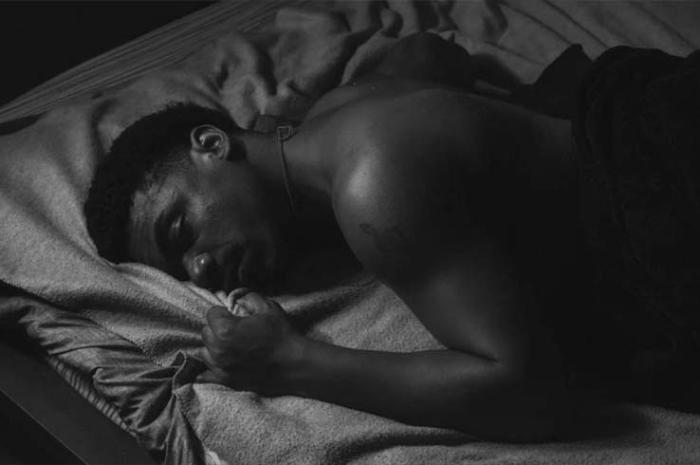
While my work largely reflects the themes of longing, grief, and kinship, as you note, I am currently also interested in expanding my research and ideas to question masculinity, the body, its relationship to queer and feminist theory, and perception between India and the US. I am never still with one question, and I try to explore issues that fascinate me, often arising from pure chance or personal situations. Currently, I am in a transitional phase of my life. My mother has been ill for a very long time, and one question or situation I want to explore further is my complicated relationship between mother and son, migration, memory, and what it means to be home.
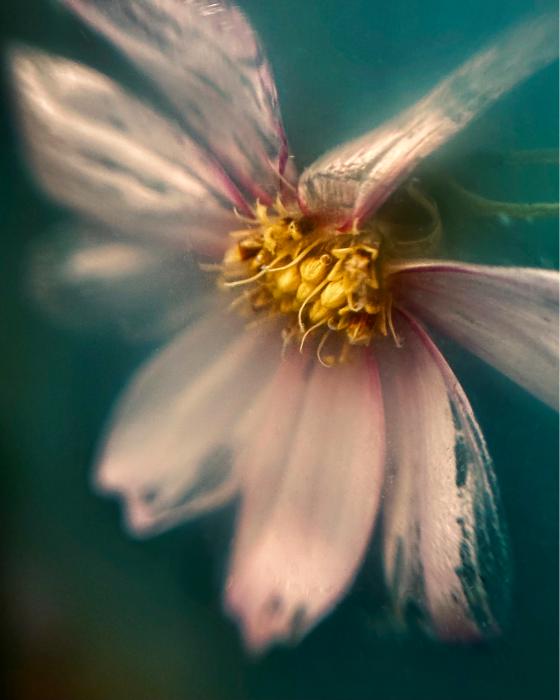
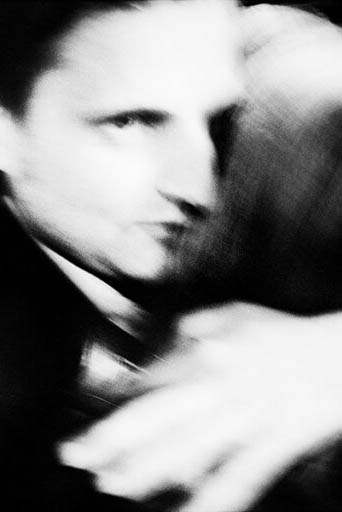
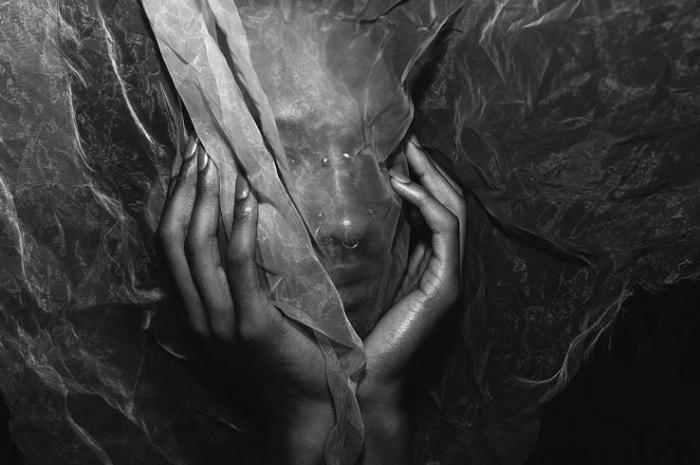
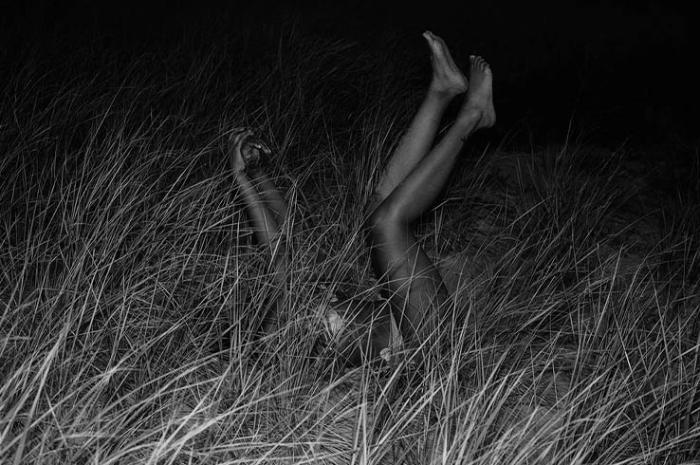
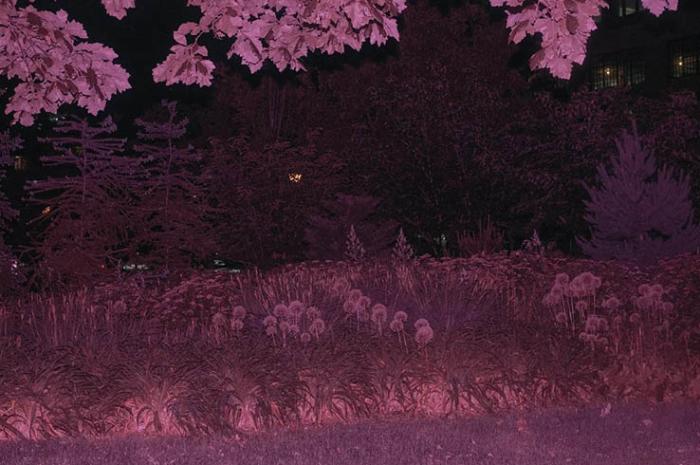
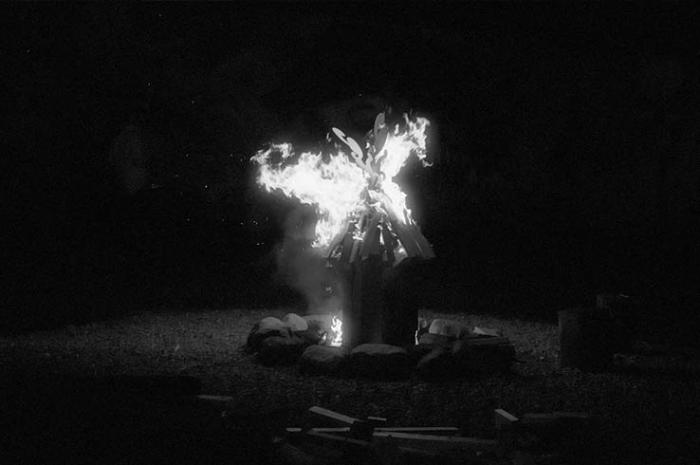
Above: a selection from A Factless Autobiography. Below: a selection from The Weight of the Earth
Your series often delves into our inner fragilities, grief, and desires. How has this theme developed over time?
I am using photography both as a language to find a community or seek some sort of kinship and as a language to find ways to heal. Some close people in my life, from my past, are no longer in this world, and I have seen death from close. I stayed in the US for nearly a decade without being able to go back home. All these complicated feelings have affected how my understanding of photography has evolved. While I still seek a certain intensity in people I meet, and I want to touch their grief and fragility through the image, I also want to use the medium to explore how we look at bodies and how that subconscious gaze reflects our inner experience. I was recently reading Vilhelm Flusser’s seminal essay, “ Exile and Creativity,” which is informing new ways of looking and thinking about my work.
I’d love to hear the story behind your body of work, “A Factless Autobiography,” which was also published as a book with Ephemere. What were your original intentions or goals for this project? Could you share some insights into your creative processes?
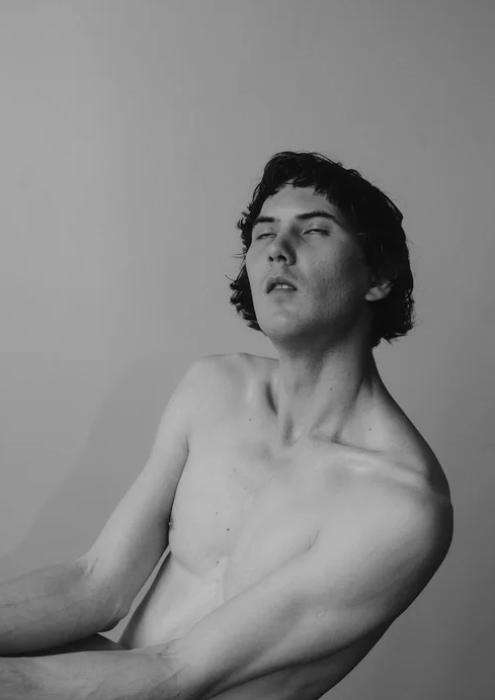
A Factless Autobiography was the first chapter of the larger work that I developed during my time in the US. It comes from my relationship to two of my first friends in the US: a trans woman, an immigrant from Côte d’Ivoire, West Africa, and my friend, a black gay man from Brooklyn, contrasted with my initial self-portraits made here. I am still working on the larger book, and this was a small, limited- edition diary made of my first few years in the US. It derives its name from the chapter of the same name in the semi-autobiographical book The Book of Disquiet by Portuguese poet Fernando Pessoa. The intention here was more personal, so we made only 50 copies of the work, and I am grateful to Ephemere for trusting the process. I worked with Anne, the director of Ephemere, on the design and paper type to create a tactile object representing my experience.
Could you share some insights about your series “The Weight of the Earth”?
The Weight of the Earth is an autobiographical diary of fragility, loss, and desire. This long-term work is my response to the suicide of a lover, my confrontation with tuberculosis as a young adult, and my understanding of queer identity in the current socio-political climate as a brown South Asian immigrant in the politically and socially fragmented landscape of America. This work also expands the conversation about my current socioeconomic relationship with a foreign land, its connection to the people encountered there, and their collective trauma, desires, and fears, in the hope of finding reconciliation.
In your work, the boundaries between the subject and the photographer often become indistinct. Would you say this reveals your inner emotions?
Yes, it does. It is my constant effort to put myself in similar photographic situations to my subject. Photography and performance become intertwined, and depending on a particular mood or feeling, I photograph. Most of my current work is not, perhaps, surreal in form, although I am deeply influenced by surrealism. However, doing this constant back-and-forth between the self and others helps me narrate a story.
Are you in charge of sequencing your images, or does someone else organize it?
It depends on the context. If it is for an exhibition, it would be with a curator with whom I would exchange ideas. If it is for a zine/small book, then it would be with a publisher and designer. It starts with my own sequencing and editing and goes from there. The photograph is only the raw material. The archive is the work and the rhythms that generate from that.
Could you share the story behind the series “The Mausoleum of Lovers”?
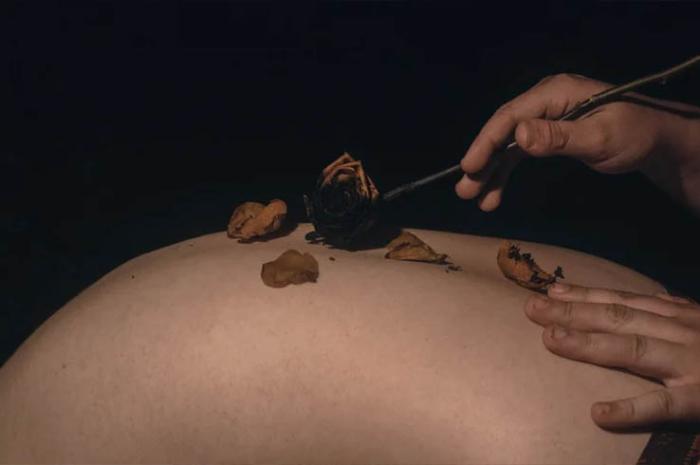
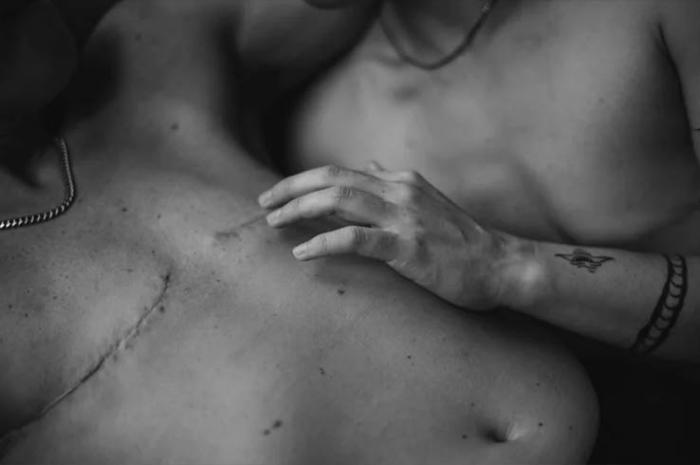
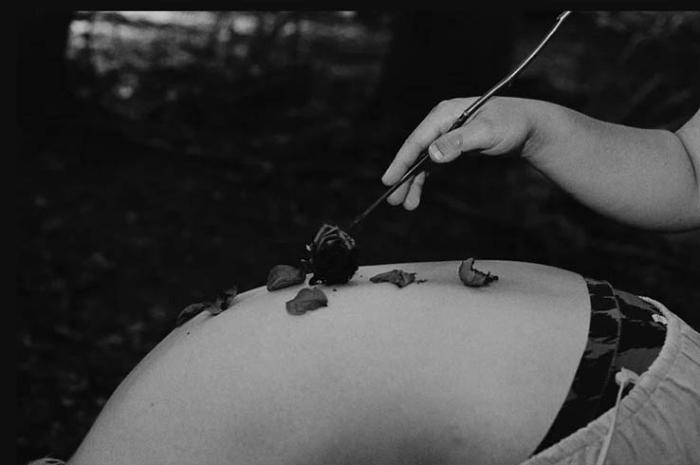
In 2021, I discovered The Mausoleum of Lovers, the diary of Hervé Guibert, which inspired this project: an archive of images and love declarations. This work is also diaristic in nature, alternating between black and white for tenser moments and color for spontaneous gestures, without aiming to either sanctify or desecrate but rather to understand love. Created over a few summers, I began photographing a trans American couple at the beginning of their transition. By documenting their intimacy—through love, doubts, and confrontations with identity, I try to examine the relationship between gender and the body. As an Indian immigrant coping with the grief of losing a former lover, this series became, for me, an exploration of queer love, often considered taboo in the situations I come from. Over time, the project expanded to include friends in both sexual and platonic relationships, some now separated and one deceased. The work took on a dimension of memory and impermanence, bearing witness to the fleeting nature of human connections.
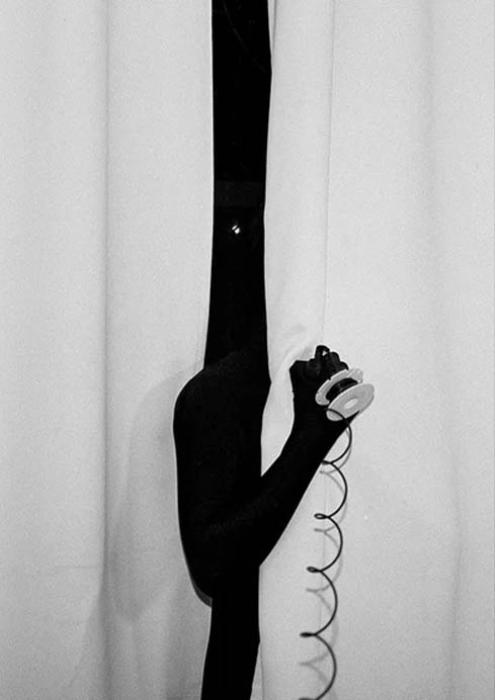
Below: a selection from The Mausoleum of Lovers
Congratulations on publishing your book! Would you mind sharing your experiences with the publishing process, including any challenges you faced along the way?
Since it was a smaller book, I went into the journey with zero expectations. Back then, I was not aware of its marketing and distribution, and I was able to work with Ephemere because I had some financial support from a small collector, and the publishing house covered the rest. I only did a limited-edition run because I wanted to create something tactile for the first chapter of my work before I could develop something on a larger scale.
Photobook publishing is a messy world, and what we see on social media or book fairs is just the tip of the iceberg. The first small book I made had difficulties in distribution and shipping due to tariffs and duties. Also, because of limited marketing, I was only able to sell through word of mouth. While it did not perform as expected, I realized that everything in the art world finally is reduced to who sees your work, who stands beside you, and who knows you. Since it was a limited-edition item and a very small investment, I could recoup the costs.
Most people are fascinated by the glamorous side of the photography world because discussing failure and vulnerability is often seen as a weakness. I thrive through failures being a self-taught artist who is also an introvert and socially awkward, I struggled to sell, but this experience taught me many useful lessons. Eventually, I stopped thinking about it and focused more on doing the work and gradually finding ways to keep going.
How do you decide which open calls, galleries, or editors to submit your work to?
One word, two: Research and Reason. Be reasonable with yourself, do your research, don’t apply blindly, and only apply to places that you think will be a good fit for you. This goes for open calls. Galleries are difficult. I am an underrepresented artist with no working relationship with a gallery, so I cannot comment on that. I don’t believe galleries accept blind submissions, and approaching a gallery is more of a business relationship, too. The photography industry is a difficult world to navigate, and I could write a book on the monster we all love and have helped create, but to navigate it, you first need to know yourself well. Only then can you seek the people you think can be a good fit for you. Out of 100 people, maybe only five will truly believe in you or be courageous enough to take risks with you. Those are your people. They need not be museum curators. Try to look for opportunities outside the structures, and if possible, find ways to create them with those around you.
What tips would you share with aspiring photographers or artists looking to begin their journey in photography?
Keep being curious, keep speaking up for justice, keep living your truth, and find a reason to photograph. Everything else will follow. Do not chase the spectacle of society. Keep asking yourself why photograph and the answer will always come from within.
Thank you very much for taking the time to join this interview, Debmalya!
My pleasure!
All Images © Debmalya Ray Choudhuri