
CINZIA LALISCIA
Welcome to Lucida, Cinzia! We’re excited to have you here. Could you share a little about yourself and what inspired you to begin your journey in photography?
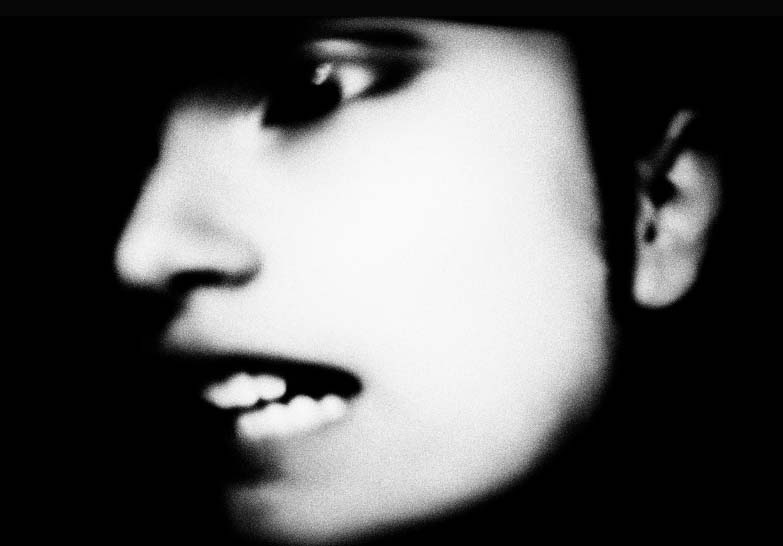
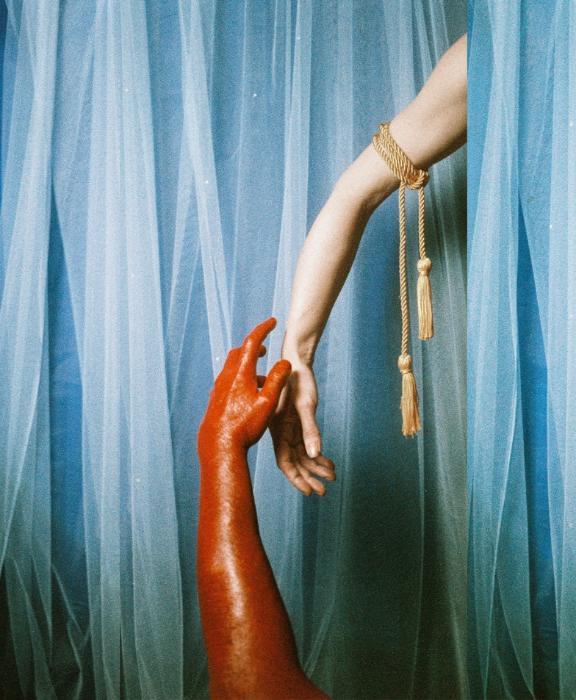
Hi everyone! I’m Cinzia, an Italian photographer based in Spoleto, in central Italy. My work explores intimacy through visual storytelling, focusing on nostalgia, the unconscious, and the relationship between human beings and nature. Creating images represents a cathartic process of self-exploration.
I have exhibited my work in Italy, Spain, Greece, the United Kingdom, Germany, Belgium, Turkey, Cambodia, and the United Arab Emirates. In 2022, I was selected for the exhibition Italian Panorama at the Photo Vogue Festival, receiving mentions from Vogue and The Guardian. My work has been featured on LensCulture and Der Greif.
In 2024, I was a finalist for the We Art Open Worldwide Award, held my first solo exhibition in Venice, and won first prize at the 212 Photography Competition in Istanbul. In 2025, I placed second at the Langhe Photo Prize, leading to a new solo exhibition.
In 2026, I was selected as a finalist for the prestigious Premio Luigi Ghirri award and will participate in the collective exhibition during Fotografia Europea in Reggio Emilia.
Do you have any formal photography education? Did you attend any workshops?
I’ve always had a profound interest in the arts, but it was during my studies at the European Institute of Design in Rome — where I attended a three-year course in Visual Arts — that I truly understood my vocation and artistic interests.
Later on, I was selected to participate in various workshops, including the Magnum Photos Education workshop held at the Armani/Silos exhibition space in Milan and led by Olivia Arthur, as well as the International Online Photobook Masterclass organized by PhMuseum, among others.
Do you shoot only analog or digital as well? if analog, what is your development process (do you develop your own films? do you print in the darkroom, etc)?
I mainly shoot digitally and then spend a lot of time creating my own post-production process depending on the project I’m working on. During my years in Rome, I studied and worked extensively in the darkroom, developing and printing photographs. Recently, my brother gave me an analog camera as a gift, and we’ll see where that journey takes me!
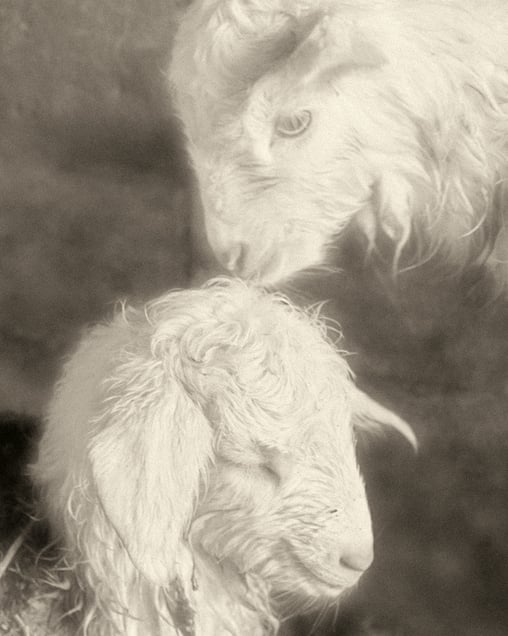
Above: a selection from Finalmente Posso Andare
What does photography mean to you?
Photography is a way for me to express myself in the sincerest way I know. It gives me the opportunity to genuinely explore themes of life that I might otherwise find difficult to open up about with others. I find photography a safe place, and since 2020, when I began this journey, I’ve met so many people along the way who truly understand me; this has been both a privilege and a great encouragement to continue my artistic research and exploration.
Do you have a recollection of the first photograph(s) you ever took?
I don’t have a precise recollection of the first images I took, but I clearly remember when and where I took them. They were taken at my grandparents’ homes, both in the city and in the countryside. Through those photographs, I truly understood what I am drawn to and what motivates me the most: my family and the intimate themes I live with.
Do you create your own sequences or do you seek the help of an editor/curator?
I have always created my own sequences, spending a great deal of time understanding which images can tell a story when placed together, through similarities, forms, and the relationships between subjects. Editing and sequencing a visual project are fundamental parts of my process: they give strength and coherence to the narrative. Of course, when I take part in exhibitions, publications, or editorial features, I collaborate with curators and editors. I am open to seeing my work reinterpreted in new and unexpected ways.
Your series Finalmente Posso Andare has received great acclaim. Can you tell us the story behind this beautiful series?
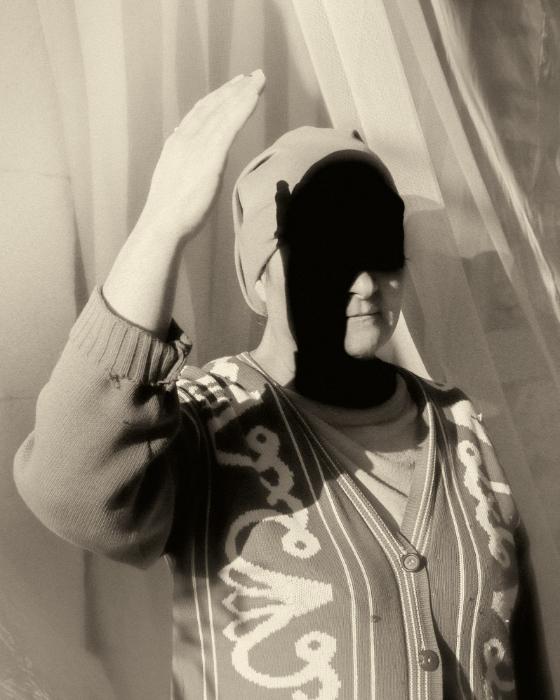
I started creating Finalmente Posso Andare during a difficult period in my life, and for the whole world as well. It began during the pandemic and lockdown in 2020, following the loss of my maternal grandmother and my aunt. Although the virus had nothing to do with their passing, it became an invisible obstacle between me and my family. During that time, I spent many hours revisiting my photographic archive and began to notice how some images had the power to transport me elsewhere and reconnect me with the outside world I could no longer experience. That was when I started creating this work and visual diary. The main characters are my family, the surroundings of my maternal grandparents’ house hidden in the Umbrian mountains, and the animals that live there. Only six people inhabit the area, so the presence of the animals becomes fundamental. When the restrictions were eased, I began creating new images, and the project is still an ongoing work in progress today. I felt the need to create a suspended, fragile, and timeless world where I could imagine that all the people and animals who had left us might live in peace, far away from pain.
Your images are characterized by a dream-like-feeling of nostalgia. Many images seem to be somewhat overexposed and soft focus. Can you share the process behind the development of these images?
Yes, I love the dreamlike feeling of nostalgia in the aesthetics of an image. Especially in Finalmente Posso Andare, it became one of the protagonists of the story. I spent a great deal of time creating the right post-production, searching for an immediate visual effect that could give both me and the viewer the sensation of looking at images from a dream — a place far away in both time and space, yet still capable of speaking directly to our souls. It was fundamental for me to make light itself a subject: the soft shadows, the ethereal atmosphere, and the warm black-and-white tones all played an essential role in shaping the emotional language of the project.
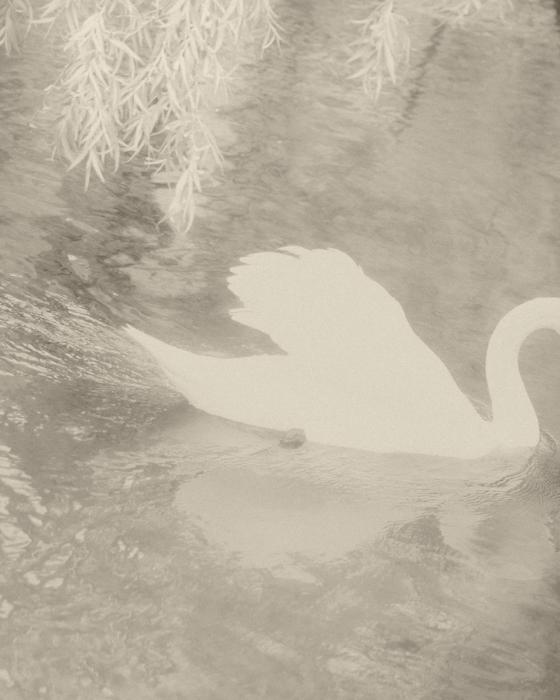


Above: a selection from Finalmente Posso Andare
Do you have any plans to publish a book from one of your bodies of work?
Yes, my intention is to publish books of my work. I love the idea of a book as a way for a body of work to live beyond the digital sphere and outside the exhibition space. The first project I would like to publish is “Finalmente posso andare”. It is the most mature and concrete project I have developed so far, and I feel it is ready to stand on its own in the world and, hopefully, find its way into the hands of many readers. I would love for it to be published by a photography publisher, although I have not approached any yet, as I am still finalizing the project.
You mentioned you shoot primarily digital. Have you encountered any resistance in the photography world due to this? Often, digital photography is frowned upon by purist analog photographers…
No, I haven’t encountered any resistance within the photography world. But even if I did, it wouldn’t really concern me. I see and use photography as a tool to create something deeper, first and foremost for myself. Then, when I see that others connect with or are moved by what I create, that becomes the most precious reward. I would continue making images even if my work were never seen. The process of creating them is what matters most to me and is something that helps me.
Can you share the story behind your body of work Sleepless Lullaby? What was your original intention or goals for the project? What were your processes?
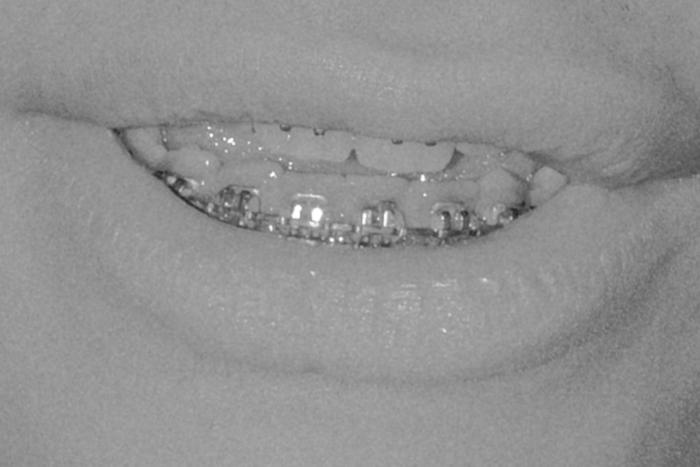
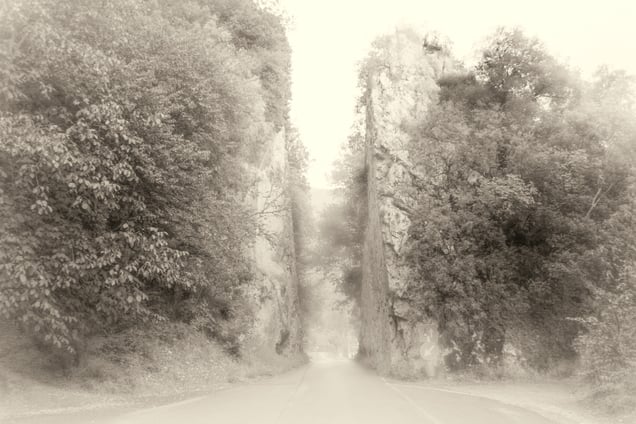
In Sleepless Lullaby, I entrusted the fragilities of my soul to the silence of an inner landscape — a world beyond the noise of our daily existence. The project becomes a reflection on human vulnerability and the delicate emotional states that shape our inner lives. There are moments when we need to step away, to pause the motion, to inhabit a landscape untouched by urgency or expectation. Within these inner landscapes, stillness becomes a form of resistance, and nature reveals its quiet power to hold and to heal. The passage of time remains the foundation of everything, yet within its flow we often lose the ability to truly listen. Perhaps our vulnerabilities are subtle messengers, urging us to rediscover what lies beneath our constant striving. To me, the environment is not separate from us; it mirrors our inner states — delicate, mutable, and alive. Sometimes, it is enough to stop, to breathe, and to drift elsewhere. In this project, which began in 2020, I worked not only with nature but also with a group of young people who are friends of my brother. Through them, I explored my own fragilities and reflected on the vulnerability that connects us all.
What advice would you give to younger photographers or artists?
I am still a young photographer myself, but I’ve had the conviction, patience, and belief in what I create to find the courage to let other people see and “judge” my work. My advice to creators in general is to stay true to yourself, to find what draws you in the most, and to let it become an obsession. Only this way can you dedicate the necessary time and energy to creating something truly meaningful. At the same time, you should feel proud and confident in your vision, even if, at first, some people may not understand you or your work. With time, you will grow, discover new ways of communicating, and evolve as an artist — but the most important thing is to remain true to yourself and your ideas.


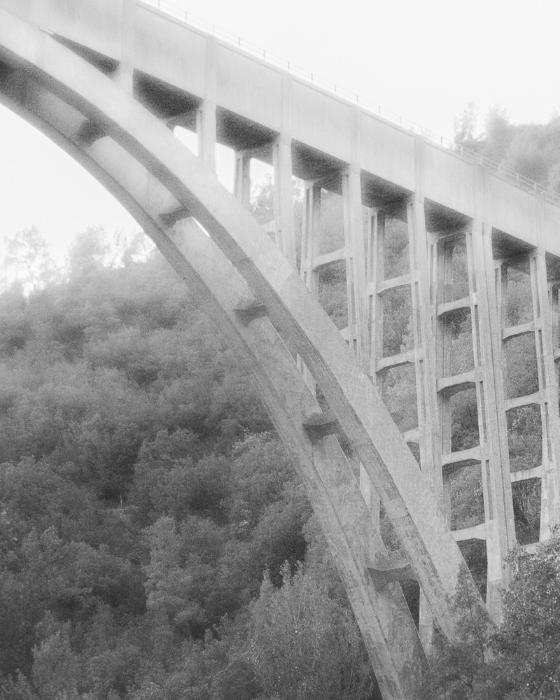
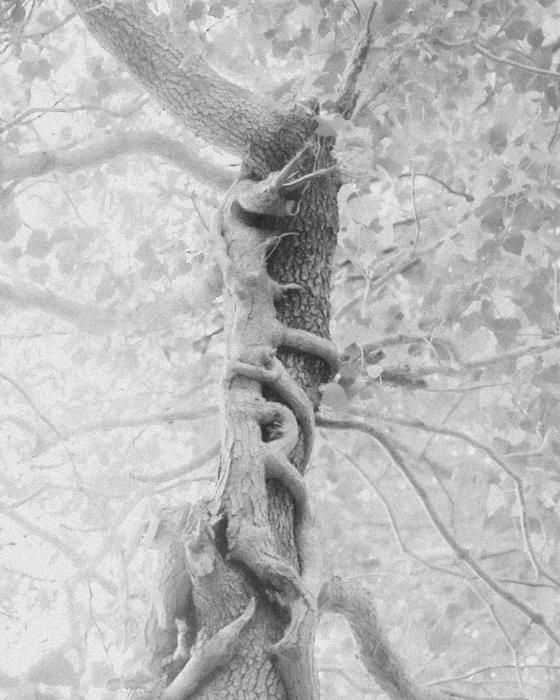
Above: a selection from Sleepless Lullaby
Thank you for taking the time to answer our questions!
Thank you!
All Images © Cinzia Laliscia