GIULIANA BORRELLI
Hey Giuliana, thanks so much for joining us for this interview, and a warm welcome to Lucida! We’d love to hear a little about you and how your journey in photography began.
Thank you! My name is Giuliana, and I am an Italian photographer based in Bergen, Norway. I live and work here. My practice is rooted in autobiographical narratives exploring intimacy and notions of home. Through staged imagery, I examine loneliness, memory, the passage of time, and identity.
I fell in love with photography during my late teenage years, when I borrowed an Olympus OM-10 from a photographer in my hometown in Italy. I began by photographing my friends. I shot in colour and took many portraits. Colour fascinated me. My practice has though evolved and nowadays I work solely and mostly with black and white.
Could you share your educational background in photography, such as any formal training or workshops you’ve completed?
I have a Bachelors’ degree in Photography from the University of Westminster in London, and I have recently graduated with a Master of Fine Arts from the Faculty of Fine Arts, Music and Design at the University of Bergen.
I have attended two workshops, both online: one with photographer Sian Davey through Fotofilmic, and the second with photographer Colin Pantall. These are two of my favorite artists, and I met some really great artists through these workshops. I hope to join an in-person workshop one day.
Do you work exclusively with film, or do you incorporate digital formats into your workflow as well? If you shoot analogue, I would love to hear about your production pipeline. Specifically, do you process your own negatives, and do you make physical prints in a traditional darkroom or rely on digital editing and scanning?
I only shoot analogue. I work with a medium format camera and shoot only ILFORD HP5. Rarely, I shoot color, and it is usually either Kodak Portra 400 or Kodak Portra 160. I prefer black and white.
I develop my own films; I scan and print my images in the darkroom. During my Masters’ degree, I had the chance to spend as much time as possible in the darkroom. After I shoot my photographs and develop them, I usually look at my negatives and decide which photographs to print. I tend to start with the strongest images.
I tend to like small-scale prints, and the biggest I have printed is 30 × 40 cm. Due to the intimacy of my work, I prefer my images to be experienced that way. Sometimes I make a contact sheet, sometimes not.
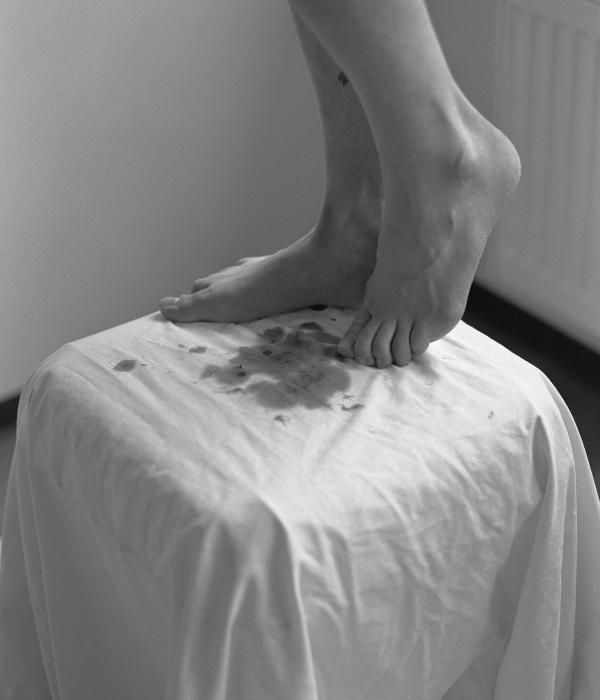
Lately, I have started experimenting with different borders and different placements on the paper while still working on a small scale.
Why are you passionate about photography?
I use photography as an outlet to navigate the world, as a means of introspection and extrospection, a means to slow down. It allows me to enter a parallel reality where time feels suspended. Photography act as a way for me to understand my relationship to a place, to my family and the people that surround me and mostly to myself.
Do you have any memories of the very first picture you ever took?
Yes, and very vividly. I remember borrowing this Olympus OM-10, and I remember taking it with me as I was meeting my friends. I began to photograph them, depicting the youth we were living through. It was such a light-hearted period.
Do you design your own sequencing, or do you bring in an editor to curate the final piece?
Yes, I do create my own sequences, but I find that a very challenging task, and most often I get stuck on one sequence, even though I could possibly change or adjust it.
So far, I have tried to do that on my own, but I am always quite unsure, and during my Master’s degree I got help from my tutor. I am hoping to seek help from an editor or someone else, as I think it is good to have a second set of eyes. But that could also be a friend.
How would you define your visual approach and aesthetic?
I would say it is intimate, nostalgic, poetic and marked by a sense of quietness.
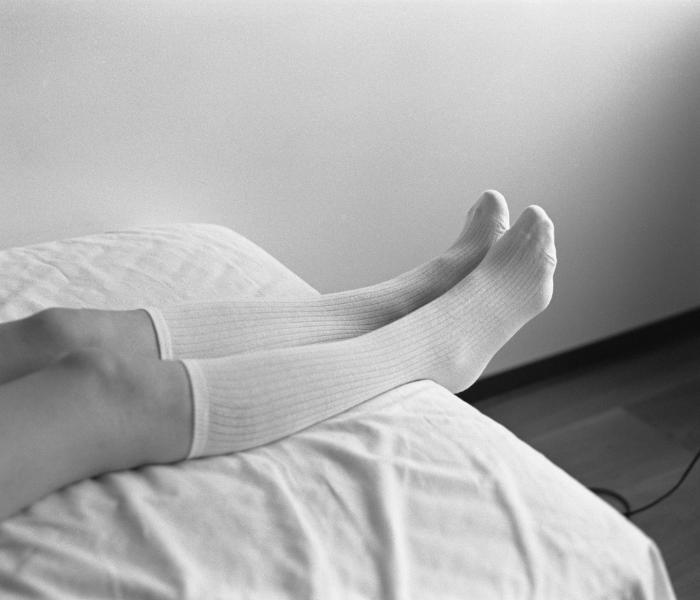
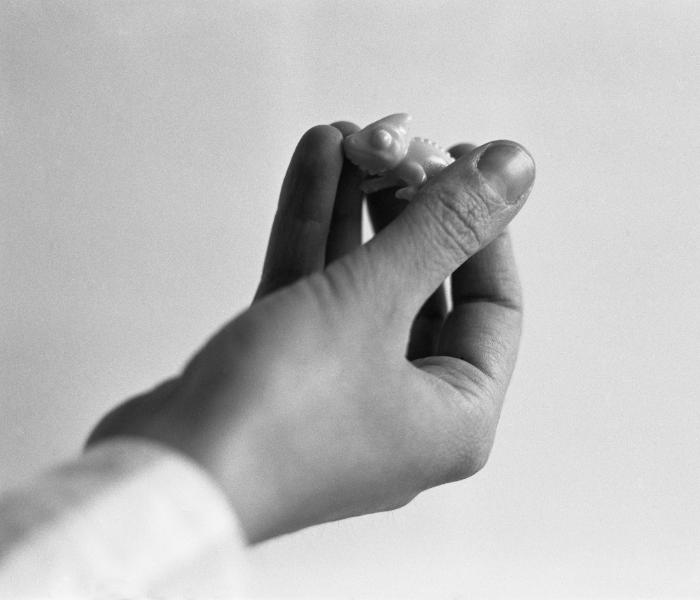
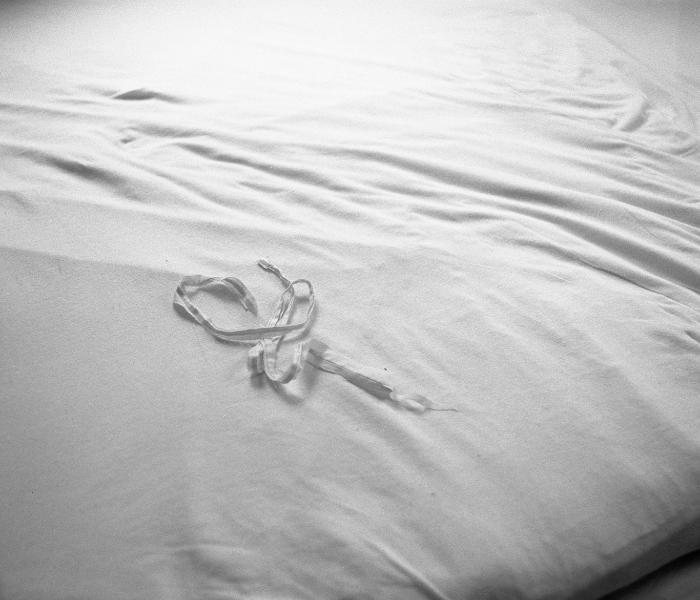
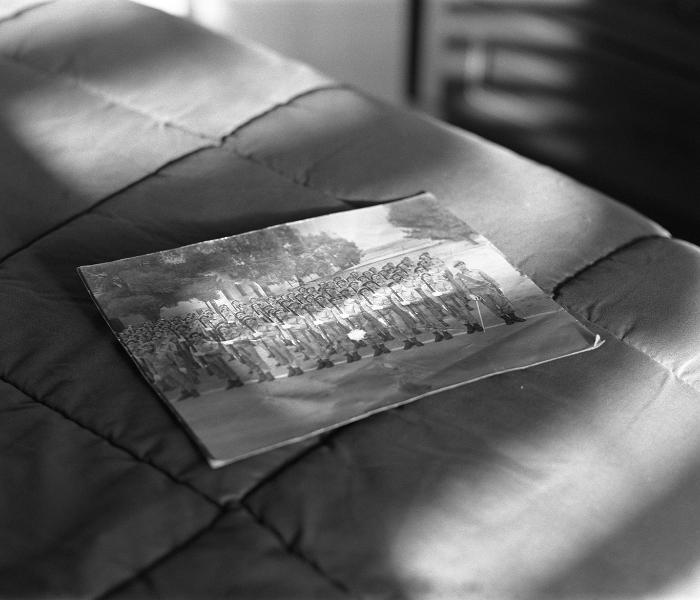
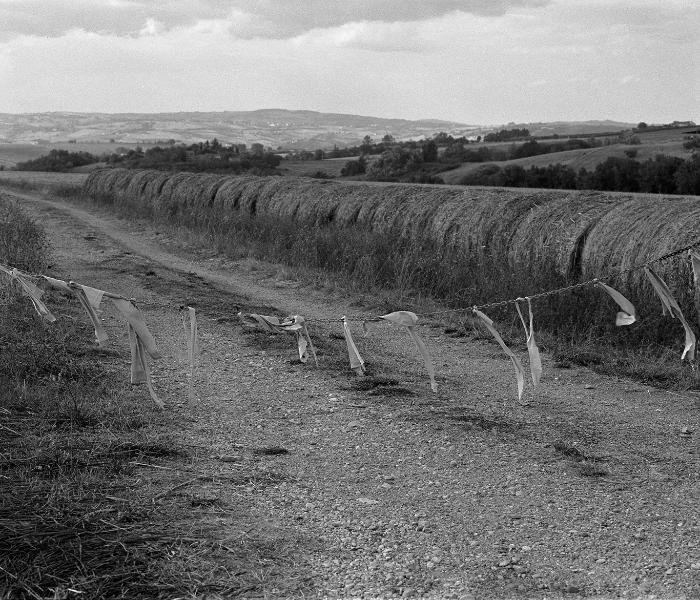
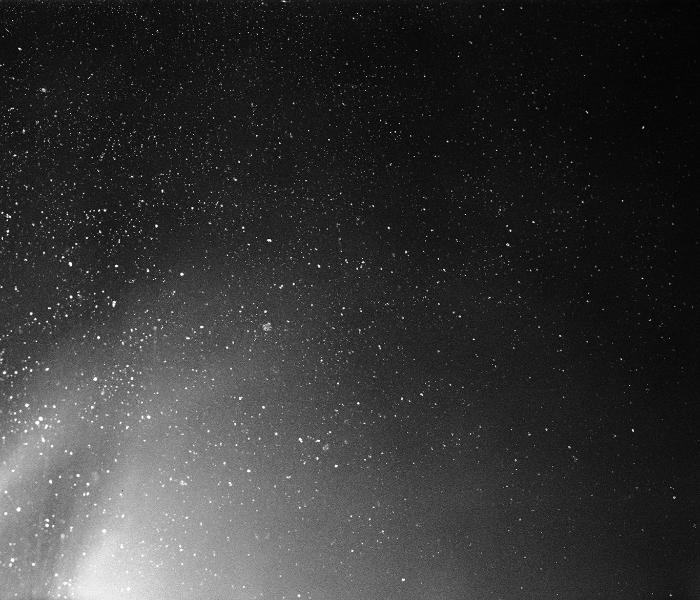
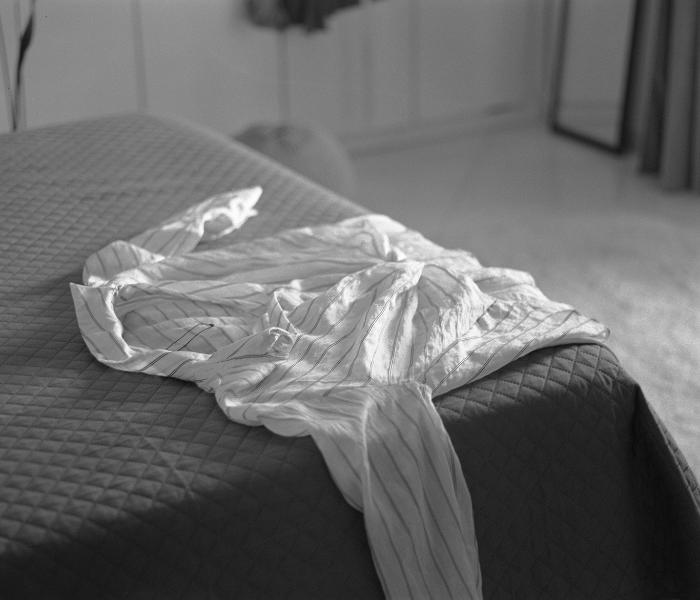
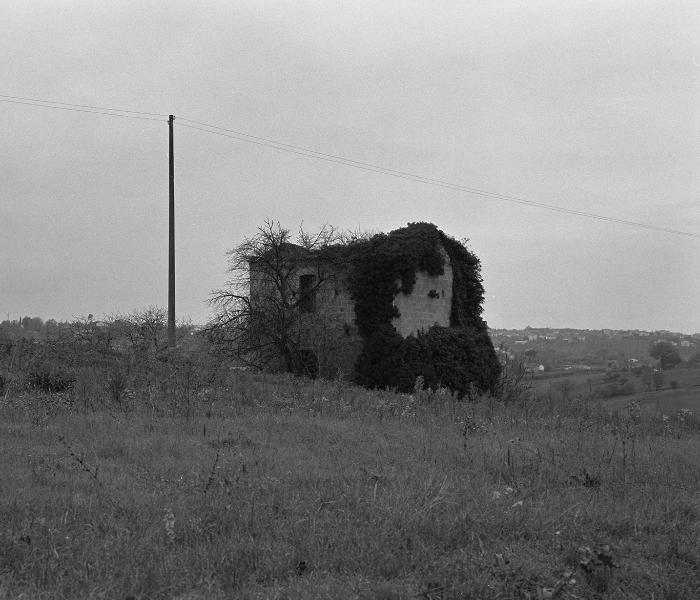
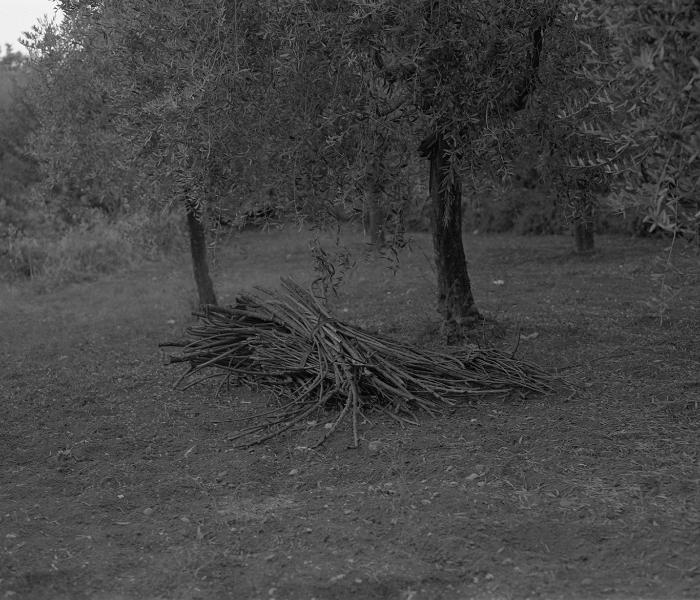
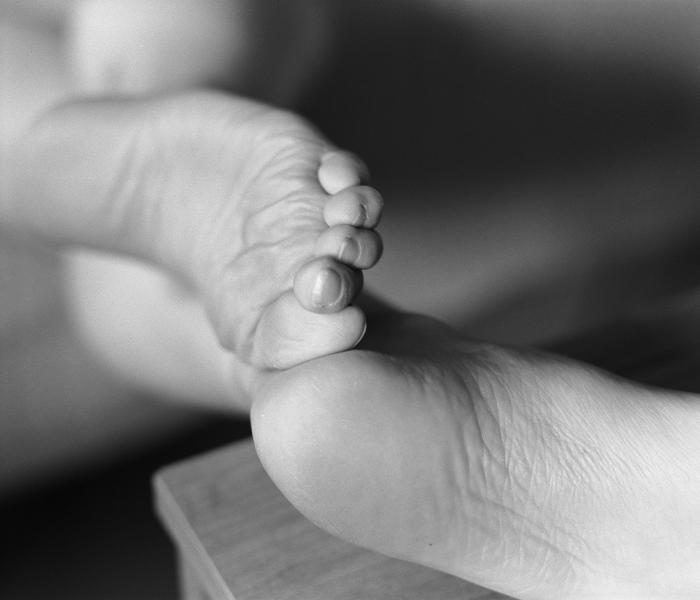
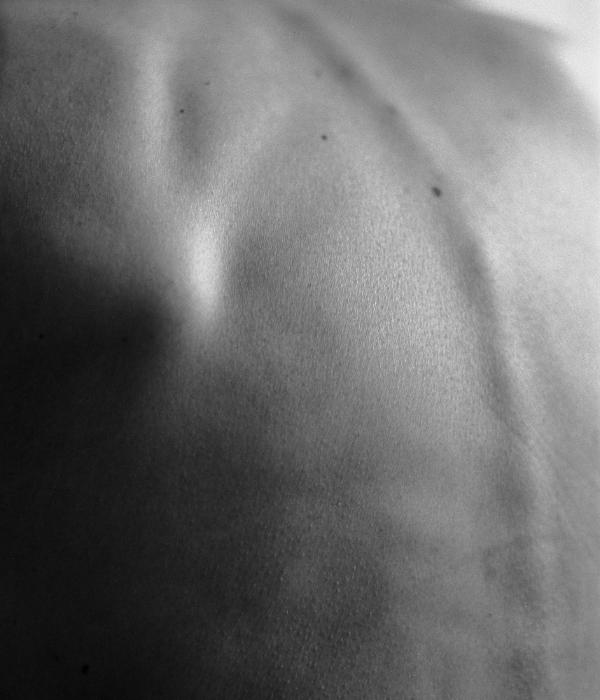
Above: a selection from Each Day I Left You on the Edge; Below: a selection from 15 Metres to Tell Us Apart
I’d love to hear the story behind your work titled “Each Day I Left You on the Edge.” What were your initial goals or intentions for this project? Also, could you share a bit about your creative process?
Each Day I Left You on the Edge began at the same time as I was working on the project 15 Metres to Tell Us Apart. At the beginning, I wanted to combine both, but they became so visually different from one another that I decided to see them as separate projects.
Each Day I Left You on the Edge is an ongoing photographic project about claiming space and reconstructing identity. Turning the camera inward, I photograph domestic environments, personal objects, and my own presence. Emerging from a period of disconnection, the work traces a shift from absence to visibility, using image-making to assert space, confront mental health, and re-establish a sense of self.
The goal of the project is to share with the viewer how important it has become for my mental health to have a space of my own. It is about the importance of space and personal needs.
I began by photographing my space in a candid way. Slowly, though, as I live in a small studio flat, I started to feel limited. The work became more staged, and I placed myself at the centre of the images. Here, I explore what it means to have a space of my own, to exist outside the family home, and to assert presence in a room I can claim. I surround myself with objects that bring comfort or hold meaning.
Could you share some details about your series “15 Metres to Tell Us Apart”?
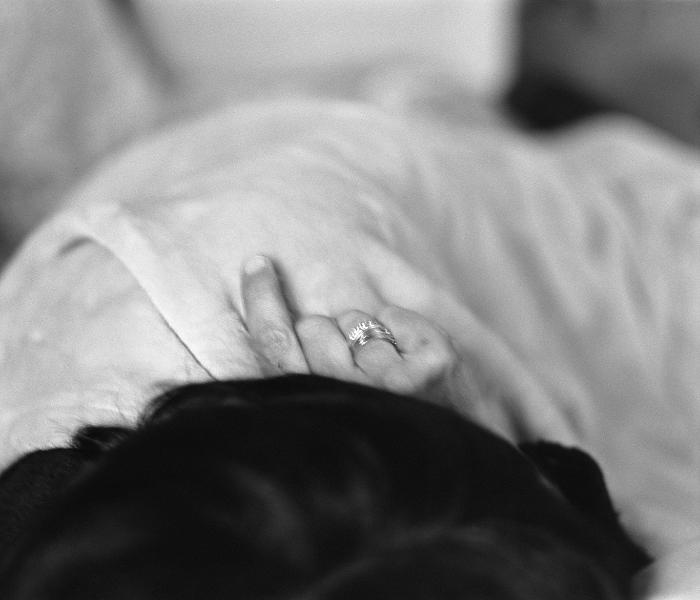
15 Metres to Tell Us Apart is a long-term photographic project retracing my relationship with my childhood home in Italy and my family. Returning after years abroad, I confront estrangement and shifting identity. Through images of domestic space, landscape, and quiet, overlooked moments, the work navigates distance, memory, and the uneasy search for belonging within a place once called home.
Could you walk us through your submission strategy as an emerging artist—from pitching to galleries and open calls to reaching out to editors?
I have only recently started applying to open calls. I am new to it and still learning, but this year I have applied to almost everything. Through this process, I have realized that in the near future I want to be more selective in my choice of open calls and also to be more patient. Each open call require time and shouldn’t be rushed through.
Are there any upcoming publications you are working on?
Yes, I would love to publish 15 Meters to Tell Us Apart as a book. I already worked on a dummy during my Masters’ degree, but recently I have put it aside as I am focusing on this new project Each Day I Left You on the Edge.
Do you have any advice for young photographers or artists looking to get started in photography?
I guess my advice is to stay true to yourself, to make work without questioning it, and to let the questions come after you have made the work.
When I began my Master’s degree, my tutor gave me a list of rules by artist Corita Kent. I remember Rule 7 in particular, which said: “The only rule is work. If you work, it will lead to something. It’s the people who do all the work all the time who eventually catch on to things.”
And then: “Nothing is a mistake. There is no win and no fail. There’s only make.”
I advise everyone to read her rules. They helped me greatly and still do. So I would say just have fun!!!
Thank you again for participating in this interview, Giuliana. It’s been a pleasure!
Thank you!
All Images © Giuliana Borrelli