KRISTOFFER AXÉN
Thank you for being here for this interview, Kristoffer! To start off, would you mind sharing a little about yourself and your early experiences with photography? What motivated you to follow a career in this field?
I’m a Swedish artist working with both photography and painting. Although the two mediums may look different, they come from the same place: an interest in memory, atmosphere, and the space between reality and imagination.
I first became interested in photography as a teenager, although it really started with an interest in film. That eventually led me to photography and then also painting, and I think a certain cinematic sensibility has stayed with my work ever since. From the beginning, I was less interested in documenting the world than in creating images that felt slightly removed from reality.
You have experience studying and working in New York. Do you hold any formal education in photography? We’d love to hear about your time in NY!
Living there was a really important period for me. I was constantly surrounded by exhibitions, books, conversations, and photographers whose work I had admired for years. At ICP I was encouraged to focus less on technical skill and more on figuring out what I was actually interested in. It was also during that time that I started taking painting and drawing more seriously, and I was introduced to artists who still inspire me today, like Michael Borremans, Marlene Dumas, and Nicola Tyson.
After graduating, I stayed in New York for several years, continuing to photograph, exhibiting my work, and work as an assistant to photographer Sylvia Plachy. Seeing how Sylvia worked day to day taught me a great deal and complemented what I had learned at ICP.
Are you involved in both analog and digital photography? If you lean more towards analog, would you mind sharing your development process?
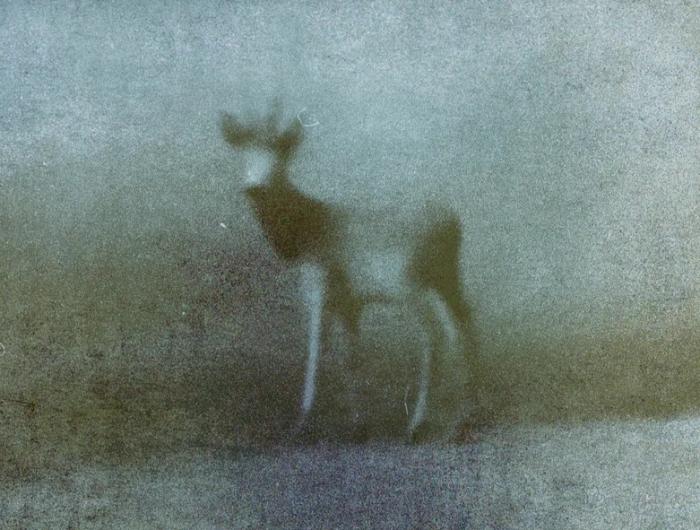
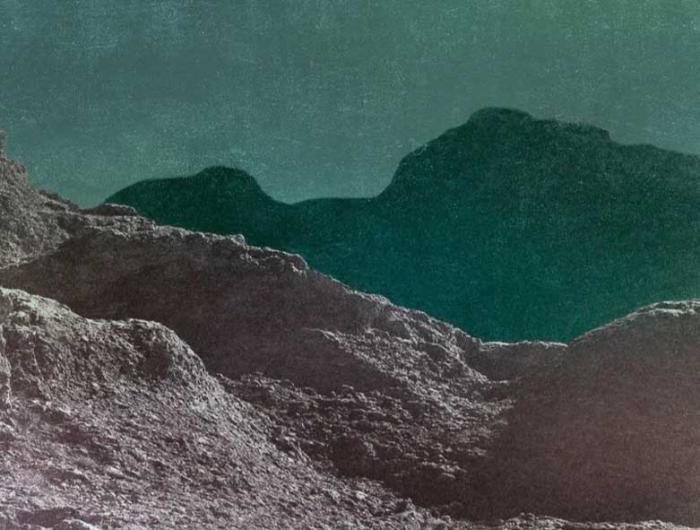
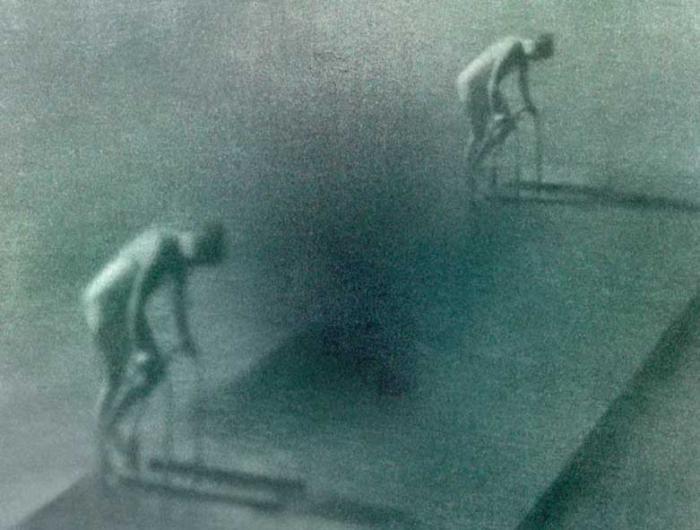
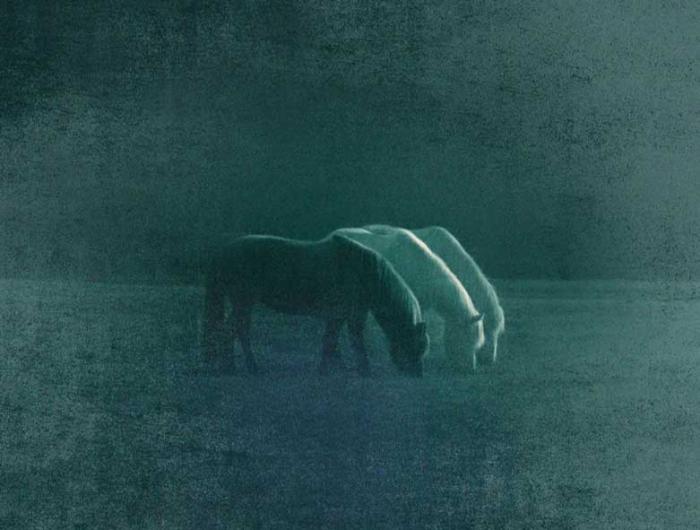
Today I work almost exclusively digitally. A lot of the work happens afterward through editing and post-processing. I often introduce texture by scanning aged paper, photographing distressed surfaces and discarded canvases from my painting practice, along with other materials I’ve collected over the years. They become part of the photograph and help bring out the underlying image I’m looking for.
How do you define photography in your life?
Photography is a way of exploring things that are difficult to explain directly. I’m less interested in telling stories with clear beginnings and endings than in creating images that is about atmosphere, ambiguity, and emotional resonance.
Can you think of the very first photo you shot?
I don’t remember a single first photograph, but I remember being fascinated by how a camera could transform ordinary places. I also remember enjoying the editing process and slowly pushing the image towards something that felt closer to what I had in mind.

Are you creating your own sequences, or do you prefer using an editor or curator?
I usually create the sequences myself because it’s a part of the process I really enjoy. For me, the sequencing of a series or an exhibition helps bring out its underlying tone and rhythm. That said, I greatly value outside perspectives. Curators, editors, and trusted artist friends often notice things that I can no longer see after spending so much time with my own images.
How would you describe your unique photography style?
I would describe it as psychologically driven photography that exists somewhere between documentary observation and fiction.
Texture plays a significant role in how you express yourself through photography. We’d love to hear more about your process!
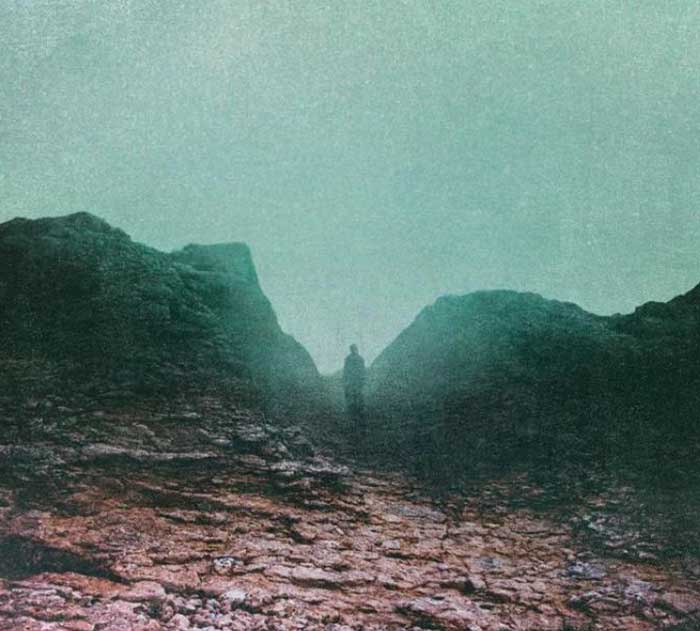
Texture has gradually become an important part of my visual language. I’m drawn to distorted surfaces and what they do with a scene. They create a slight distance from the literal image and allow it to feel less fixed, more like something remembered than simply observed. It also brings a certain abstraction to the imagery. But in the end, for me, texture is another way of shaping atmosphere.
Many of your images evoke a sense of wonder, almost like they’re drawn from memory. Does your work encourage exploration of mystery rather than just laying out the facts?
Absolutely. Our memories are fragmented, incomplete, and constantly changing. I think photography becomes more powerful when it reflects that uncertainty instead of pretending to present objective truth. If viewers leave with their own interpretations rather than mine, I feel the work has succeeded.
It seems that some of your work takes place in settings that aren’t clearly defined. Could you share a bit more about that?

Many of the places in my photographs could belong almost anywhere. By removing specific geographical or narrative details, the images become more universal and allow viewers to enter them with their own associations.
For me, as soon as there are too many clear markers of place or time, I find the image less interesting. It becomes more fixed. I enjoy leaving things a bit open, because that’s when I feel I can really enter the image myself
Your photographs beautifully capture a continuous quest for meaning and presence. What themes are you currently delving into in your artistic journey?
I don’t know if I think in terms of specific questions. I’m usually just following things that keep holding my attention. Right now that’s texture, and how it can shift the feeling of an image. I’m also interested in how an ordinary scene or object can slowly become something more symbolic or slightly strange without losing its connection to everyday life. Finding that balance between representation and abstraction is probably what I’m exploring the most at the moment.
Your work frequently explores the relationship between humans and nature. How do you interpret nature in your pieces? Do you see it as a backdrop, a character, or perhaps a reflection of our inner emotions?
Probably a bit of all three. I’ve always been drawn to landscapes and natural environments because they leave a lot of room for interpretation. Nature carries contradictions. It can feel comforting and threatening, beautiful and indifferent at the same time. Those tensions mirror many aspects of human experience, and that’s what interests me.
Are you planning to publish a book anytime soon?
Yes, I would very much like to. I’ve always thought of photography books as one of the strongest forms for presenting long-term work. A book allows images to unfold slowly and create conversations with one another in ways that exhibitions sometimes cannot. I’m currently contributing to several publications, and developing a larger monograph is definitely one of my long-term goals.

You’ve participated in an impressive number of exhibitions, both solo and group shows. We’d love to hear about your approach to submitting your work to open calls, galleries, and editors.
I try to be quite selective. Before I send anything, I spend time looking at the gallery, publication, or festival to see if the work feels like a good fit. I’d rather send fewer, more thoughtful submissions than apply everywhere.
I also try to be patient. Some opportunities come through open calls, others through people you’ve met or stayed in touch with over the years. For me, it’s been a mix of both.
What tips do you have for aspiring photographers or artists looking to dive into photography?
I can only really speak from my own experience, but one thing I’m glad I didn’t spend too much time worrying about was equipment. Looking at books, visiting exhibitions, and studying other artists’ work probably taught me much more.
At the same time, I think it’s important not to spend all your time looking at other people’s work. For me, it was really about making lots of work. Through repetition I slowly started to understand what actually interested me in images, and how I could get a little closer to that underlying tone I was looking for.
Thank you for participating in this interview, Kristoffer. It’s been a real pleasure to get to know you!
Thank you!
All Images © Kristoffer Axén