NATHALIE ERICSON
Welcome to Lucida, Nathalie! We’re thrilled to have you here for the interview. Could you share a little about yourself and your journey into photography?
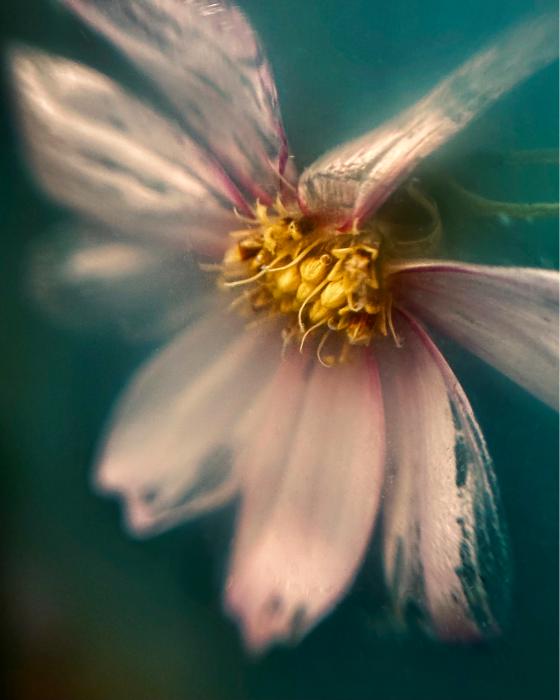
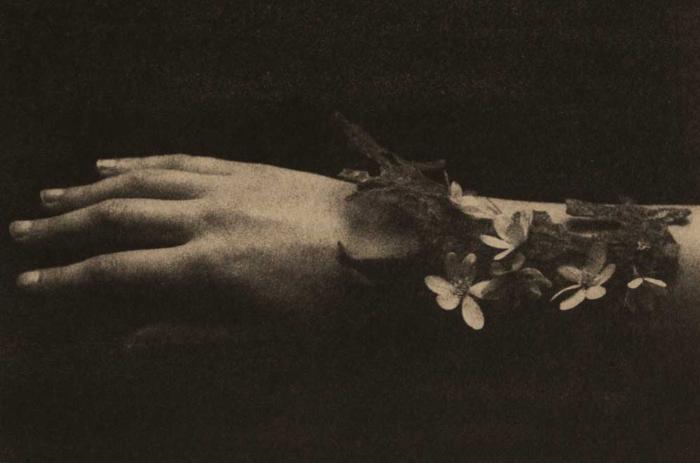
I am a visual artist based in Sweden, living in the countryside of Kinnekulle. I primarily work with analog photography and also enjoy writing poetry. Nature is a constant source of inspiration, and I feel fortunate to have it right outside my doorstep. Its presence is deeply woven into both my life and my photographic practice, shaping the way I see and create.
I started to take photos in high school. at the beginning I experimented wildly but often felt that I wasn’t good at being artistic. I actually wrote poetry first and felt more at home with writing. But it’s my personal expression that I don’t want to share with others, so photography became my main expression that I chose to share with the world.
Did you study photography in school or through workshops?
I have a basic education in fine art photography at Gamleby photo school in Sweden. But other than that, I am self-taught I would say. Studying photography in a higher education was not my path, even though it would have been good to get access to more opportunities in the art world if I had taken a candidate/master’s in photography.
Last year I actually made a workshop together with the band Grift in Greece. We came up with the idea that he would play acoustic guitar for children while they would draw from the impressions from the music he played. I hope to be able to do more workshops in the future.
Do you limit your work to film, or do you do digital photography as well?
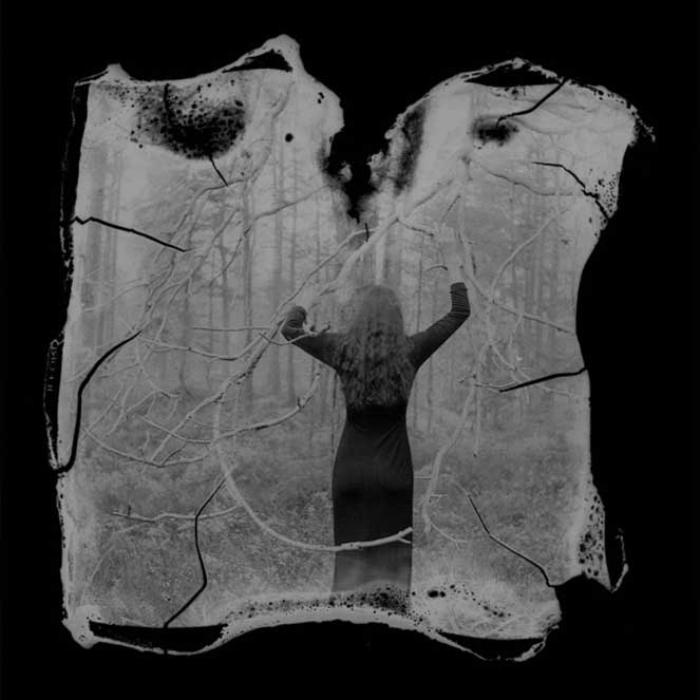
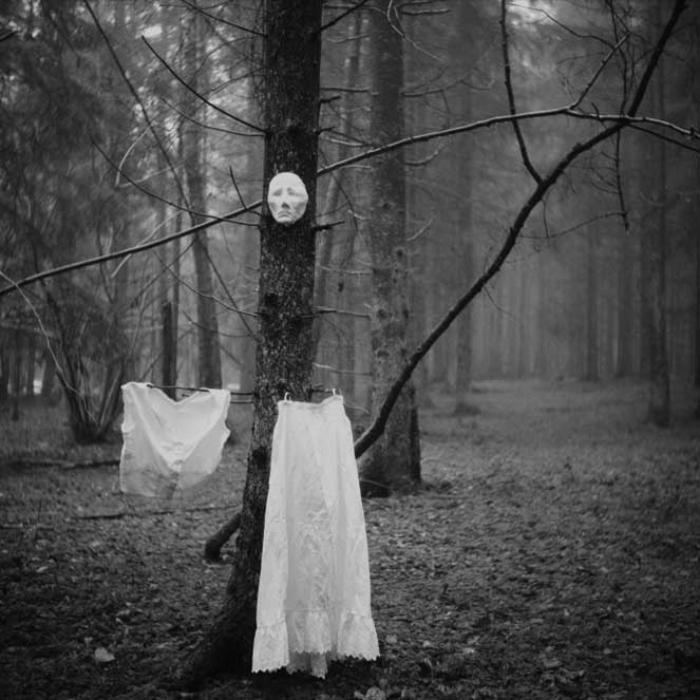
I shoot mostly analog. When I shoot digital, I do it for the cyanotype printing process or if the light conditions are bad. I develop my own film and scan the photos as digital files. Sometimes I also make my own developer and try to keep the process more sustainable. But I don’t have a darkroom so I can’t work with printing analog photos, even though it is a dream to have a darkroom and a working space in the future.
What’s your perspective on photography?
I’d say photography is more than an interest—it’s a way of living. I think about it almost all the time, so it’s hard for me to imagine life without it. What I love most about photography is its ability to create a kind of secret language, expressing thoughts and emotions that can’t always be put into words. Through images, the subconscious finds a surface in reality, revealing something that exists beyond the obvious. That possibility of saying the unsayable is what continues to fascinate me.
Do you recall the very first photo or photos you snapped with a camera?
I actually have. I was going through the photos yesterday and got nostalgic. I can really see my development, my first photos were really bad, but I kept on trying over the years.
What visual approach defines your portfolio?
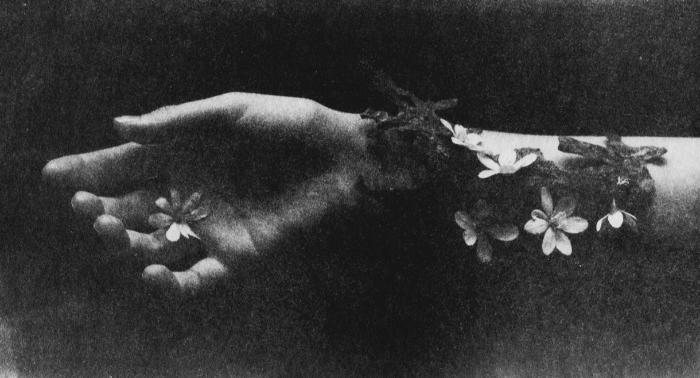
Experimental, poetic, and psychological photographic style, perhaps.
You often use a twin lens camera. Would you mind sharing what it is and what inspired your interest in it?
I bought this camera in 2015 from an elderly man who had spent many years collecting vintage cameras. It was my first twin-lens reflex camera, and at first, I found it incredibly confusing—especially seeing the world through a mirrored viewfinder. But I quickly fell in love with it and started using it often.
Over time, I found myself taking more and more self-portraits. The camera encouraged me to explore a more experimental side of my photography, thanks to its double-exposure function and long shutter speeds.
Could you share some insights about your series of self-portraits?
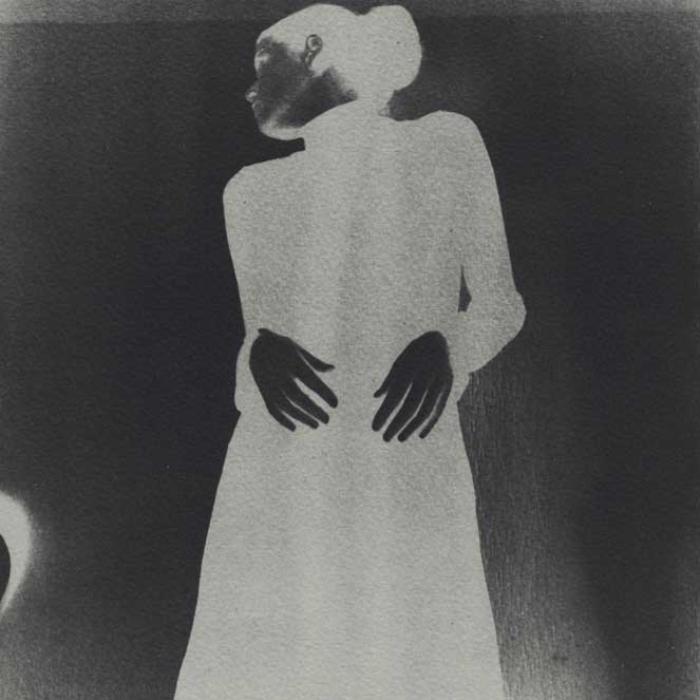
I started taking more self-portraits when I got my first twin-lens reflex camera in 2015. There was something about the format that urged me to do it, but also with inspiration for the photographer Francesca Woodman. Her way of expressing the inner world through self-portraiture was my entrance to self-portrait photography for sure. Not to imitate, but more as a way to understand how one can express something poetic through self-portraits with a camera.
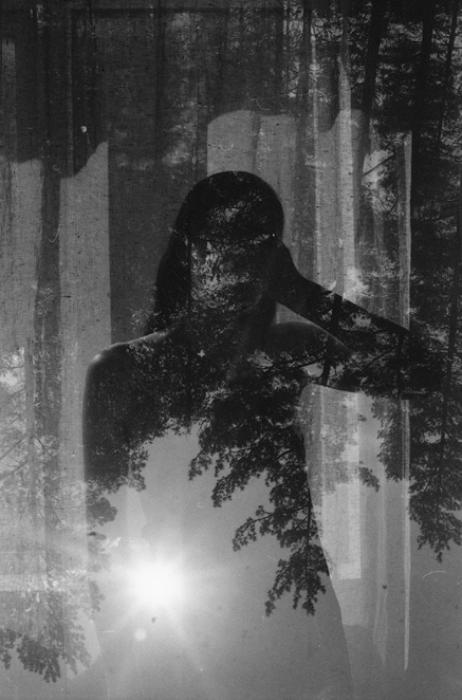
I think self-portraiture is similar to poetry in many ways: you write something fragmentary in the moment that can reach the reader in a spiritual way. It is the poetry that appeals to me about taking self-portraits and that I often have to return to it when I lose my voice or action in everyday life.
Your work often looks at how people and the natural world connect. How do you view nature—is it just a setting, a living character, or a mirror for our own feelings?
I see nature as a reflection to our inner minds, but also as a separate unbound force that creates curiosity and wonder in photography.
Your photographs beautifully convey an ongoing search for meaning and presence. What themes are you exploring in your artistic journey at the moment?
I am working on a new project that explores nature and how it is taken for granted and being exploited. I have manipulated landscapes, taken photos of wild animals and some domesticated animals. It’s a new way for me to express myself in photography. Previously it’s been more about inner states and to explore meaning as you mention. Now I want to use the camera in a more challenging way and portray what I stand for and worry about, with a more serious tone.
It seems that themes of existence and mortality are a recurring thread throughout your series. How have these ideas developed for you over the years?
I think the theme is still as present as before, it is probably more the expression and motifs of the photograph that have changed. The self-portrait is not as important as it used to be, now I have found other motifs such as ordinary objects, nature and a more abstract, suggestive world that has taken form. I need to develop and challenge my gaze. I don’t want to get stuck in the same expression and repeat myself.
You frequently incorporate yourself as a subtly featured subject in your images. Do you view yourself as an integral part of your narratives? How has this perspective changed for you over the years?
I feel like a part of the picture, not as the main communication through me as a subject, moreover how I as a human being talk to my surroundings, a face speaks more directly and can steal attention or express something very personal. The personal narrative is not the main goal of taking the picture. I like that the narrative can shift and change ideas depending on who is watching.
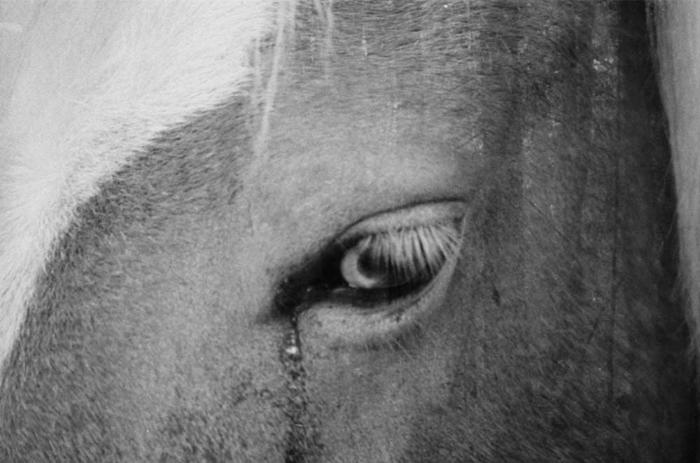
You recently published a wonderful book with Setanta Books! Would you be willing to share your experience in the publishing process, including any challenges and insights you encountered along the way?
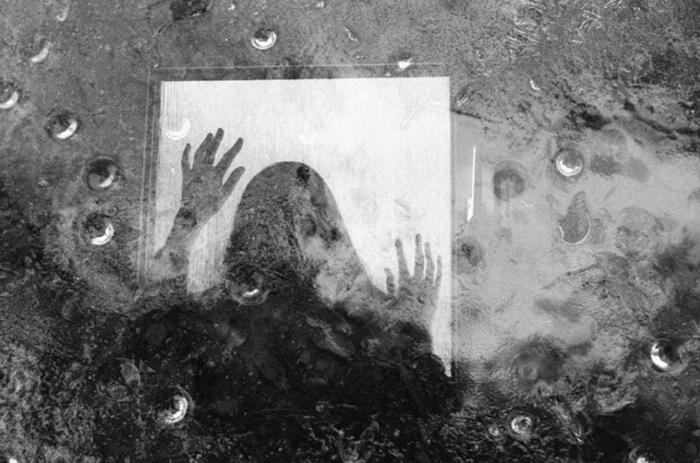
I was lucky to be part of their Bi-monthly series of photo zines. It was a very fun process. Martina who made the design and book cover really understood me correctly. I wanted the book to look poetic, and the layout was designed in an unchronological style. It suited my photographic expression very well.
Are your sequences your own idea, or do you partner with someone to build them?
Not really. Sometimes I ask my partner for advice on how the images look, he has a good eye for art but is a musician.
Could you share your approach to submitting work to open calls, galleries, and editors?
It has been really tough at the beginning. I applied a lot and got zero answers. I didn’t have so many opportunities through open calls I must say. I have been making contacts in the photography world instead and in that way, I got more opportunity to exhibit my pictures. I also like to exhibit in other contexts where the arts are mixed, like at a music festival where art is also exhibited. For example, I exhibited in a fort in Slovakia a few years ago. I love concepts like that!
Earlier this year, I was shortlisted in the Landscape category of the Sony World Photography Awards. It came as a real surprise, as my work doesn’t follow the trends or visual language that often dominate photography festivals. Documentary photography continues to have a strong presence, as does a more polished, contemporary aesthetic, whereas my work is rooted in a more nostalgic, grainy, and more poetic expression.
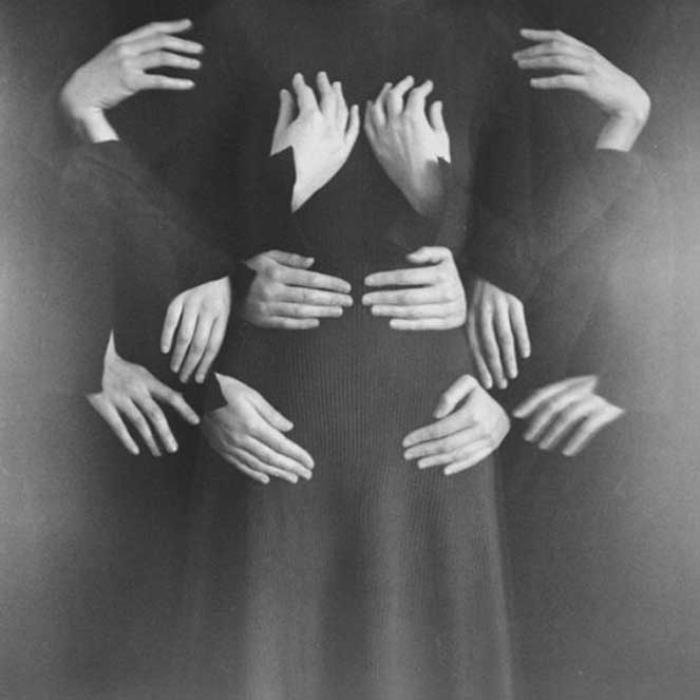
Being recognized in the Landscape category meant a great deal to me. Over the past few years, I have been searching for my own way of working with nature photography, often questioning whether my approach had a place or would resonate with others.
What tips would you share with aspiring photographers or artists as they embark on their photography journey?
Never stop trying and dare to experiment with your ideas. It takes years to find a style or expression. But also, just take photos for the sake of it because it’s fun and gives something valuable back.
Thank you for participating in this interview, Nathalie. It’s been a pleasure getting to know you and your work better.
My pleasure!
All Images © Nathalie Ericson