STEPHANE CHARPENTIER
Thank you for participating in this interview Stephane. It’s an honor to have you here! Can you tell us a bit about yourself and how you got started in photography?
As a child, I experimented the process of making analog images. I remember taking part to some workshops with camera obscuras and getting into the magic of revealing photographs. Later, I started to use photography as a personal research tool, not really to make documentation, but more as a way to express a sensitivity and feelings, with atmospheric and symbolical images. Photography was a way for me to look for more freedom. It is a good reason for traveling; it allows me to have new connections with people. But it often makes us feel lost. So, I was collecting visions and then trying to reassemble them. I presented a few exhibitions pretty quickly. The first one happened at the 59 Rivoli squat in the center of Paris. Then, I exhibited in an alternative contemporary art space in Barcelona. Then, at Galerie du Château d’Eau in Toulouse with Stanley Greene from Magnum. The feedback was somehow positive, and it encouraged me to continue. In addition to photography, over the years I have been creating some films, music videos, many performances, and collective projects with visual and sound artists.
Do you have any formal photography education? any workshops you attended and so on.
As a young adult, I was working for a record company in Paris where I was in charge of the visual artistic direction for one label. It means that I was hiring photographers, designers, videomakers, writers… to make the album artworks and booklets. This job drove me into the language and the commercial use of images. But I was personally more interested in real artists and photographers using poetic images to transcend the reality. I’m talking about people such as Robert Frank, Koudelka, Miroslav Tichy… I quit the job when I was 26 and moved to Madrid to study in a photographic school. I was mostly using the darkroom of this school, also following a few technical lessons. A few years later, I worked for Jean-Christian Bourcart for a short time – as an assistant – at a time I was living in New York City. I also followed workshops with Anders Petersen and Michael Ackerman. Workshops can really bring interesting experiences, learnings, stimulations, and also friendships…
Do you work with film only, or digital too? If you use film, what is your exact workflow for developing and printing your work? Please share all the technical details.
I only shoot analog and I develop the films. Classical process. I used to make prints in my own darkroom, but for some years I have also been collaborating with a great printer based in Berlin: François Leblond at Moon Prints Lab.
What does photography mean to you?
Photography has been a way for me to live more intensively. It is clearly a tool to investigate, and to express myself, to communicate.
How would you describe your photography style and the meaning of your work?
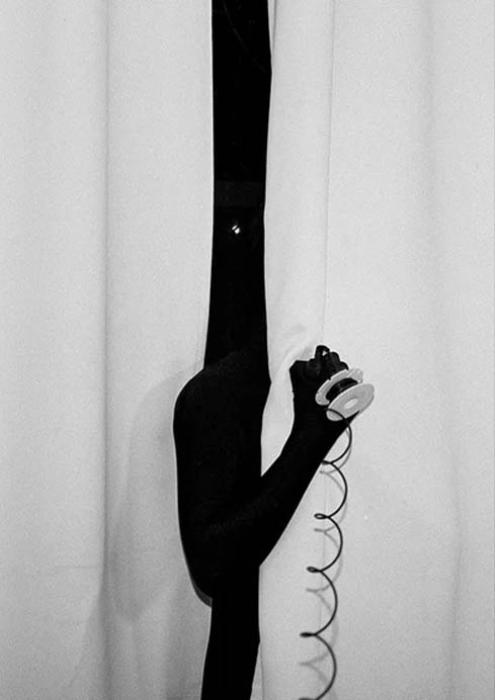
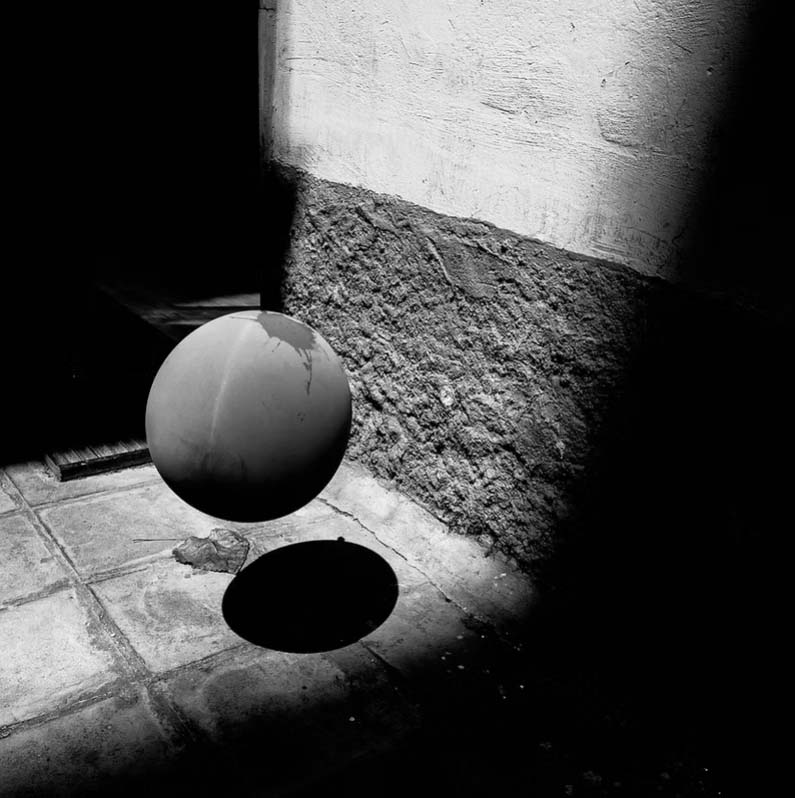
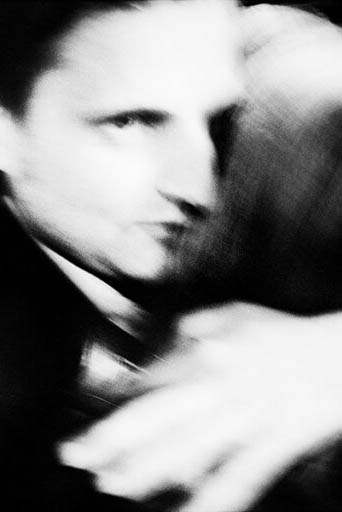
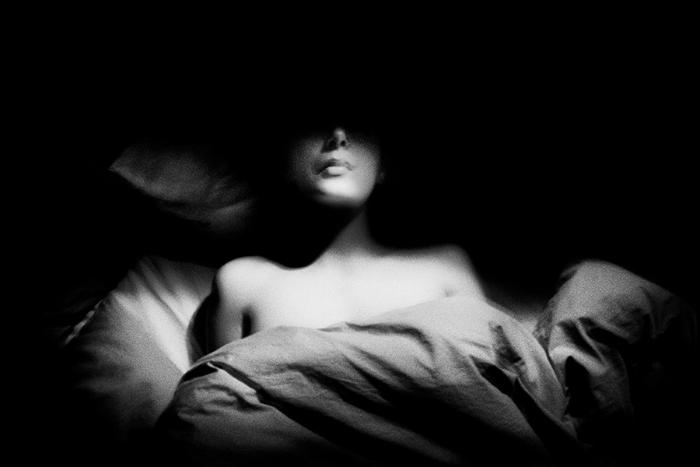
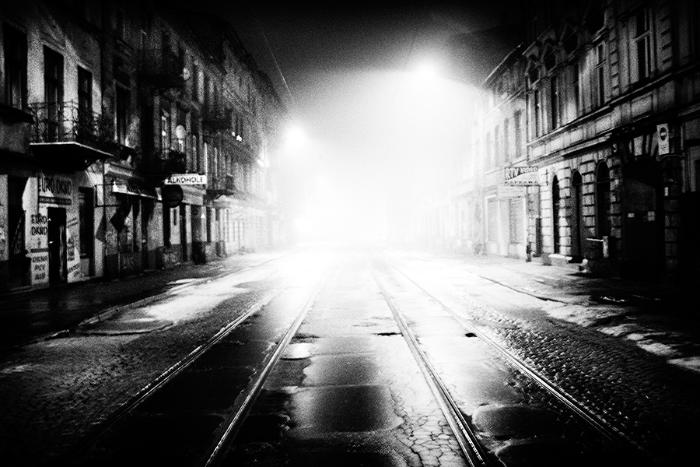
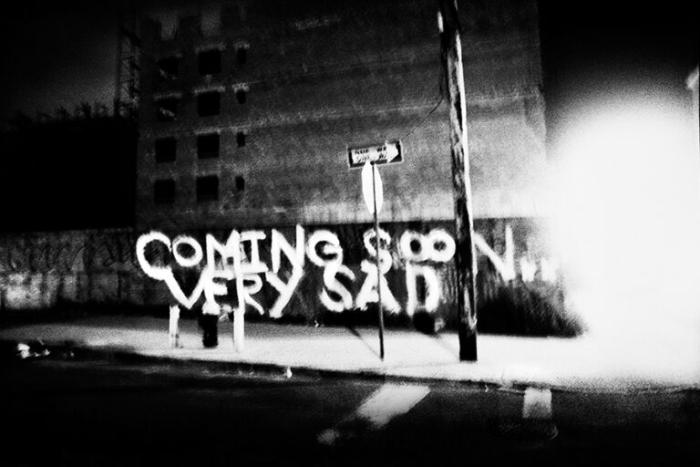
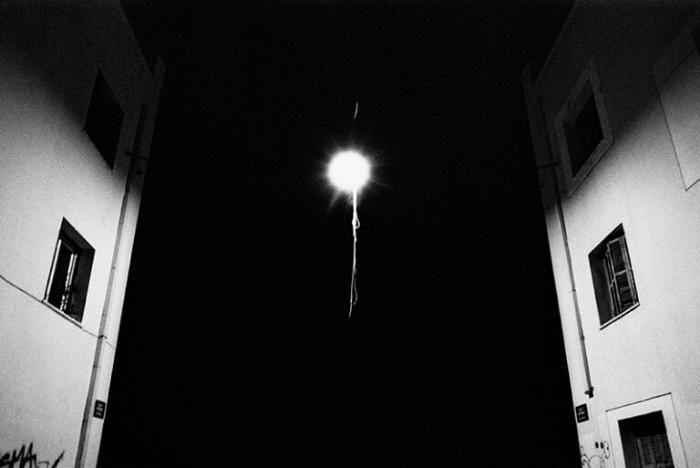
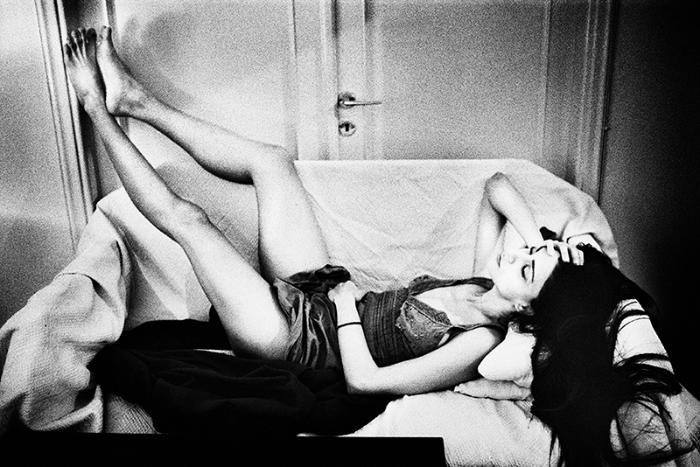
I look for poetic and enigmatic images captured in everyday life that allow people to travel in their own emotions. It is an invitation to a world balanced on the edge of the corporeal and the mystic. The analog aspect could bring a kind of ‘out of time feeling’, but my work is also strongly connected to modern elements. If we consider the technical process, photography really means to write with light. We catch or reveal light emerging from the dark that we impress on a photographic film. And the meaning of my work is actually the same. I try to gather intense existentialistic visions of a dark world punctuated by flashes of light. It’s an attempt to represent the human nature, and some archetypes and patterns that symbolize the architectures of our existences. Each picture and each project bring a little piece of the puzzle.
My work depicts a dystopian world filled with social isolation and individualism, alienation, ramped consumerism, capitalism. I try to illustrate this matrix that provides structure to our collective participation in which individuals are caught up in mechanisms, energies and influences and are even rewarded by this dark drive. But my photography also expresses hope, humanism, the possibility of happiness, the beauty of nature, the resilient power of life and of light.
Can you tell us a bit about the series Radiance?
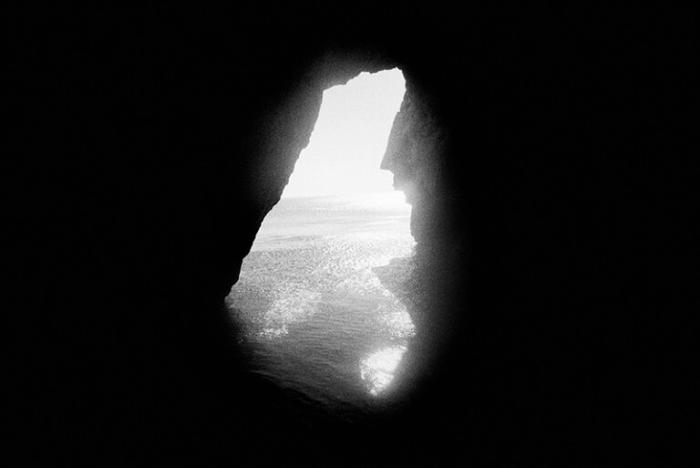
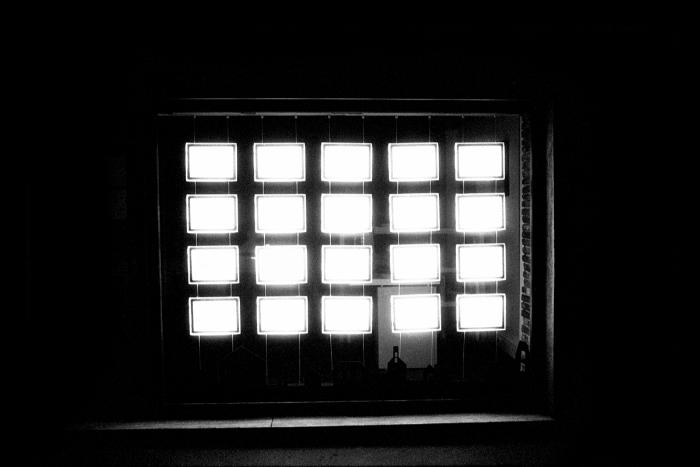
Radiance is my ongoing black-and-white photographic work, the central project that I have been working on for nearly 25 years. It is an evolving series where I keep introducing new images and ideas. It has been regularly presented in the form of exhibitions, publications of excerpts for magazines, and in the form of a photographic film often presented with live soundtracks by sound artist Alyssa Moxley. Each presentation is a new successive stage of this same single research.
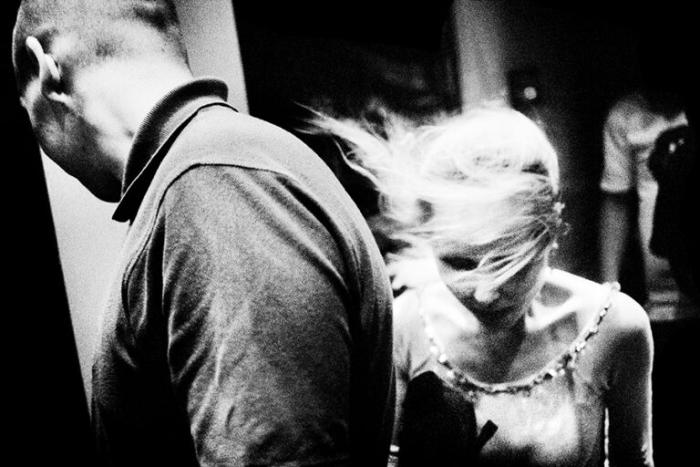
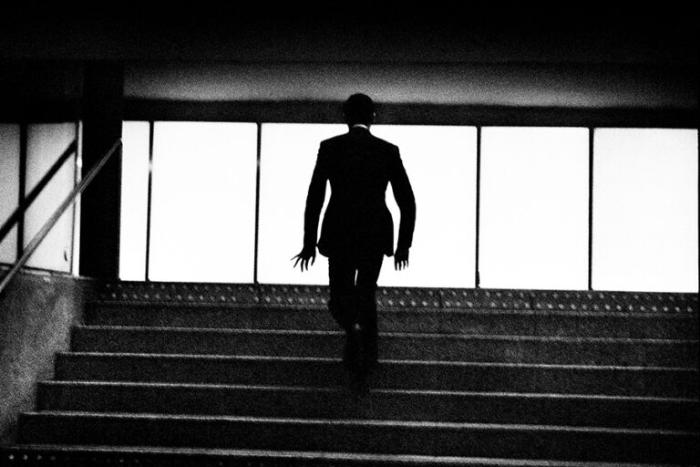
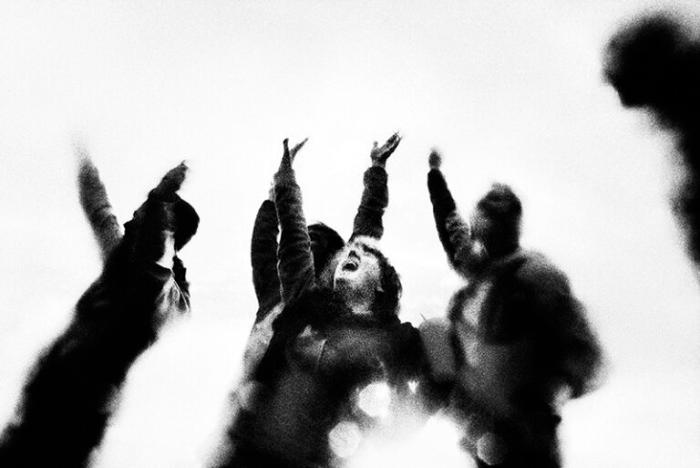
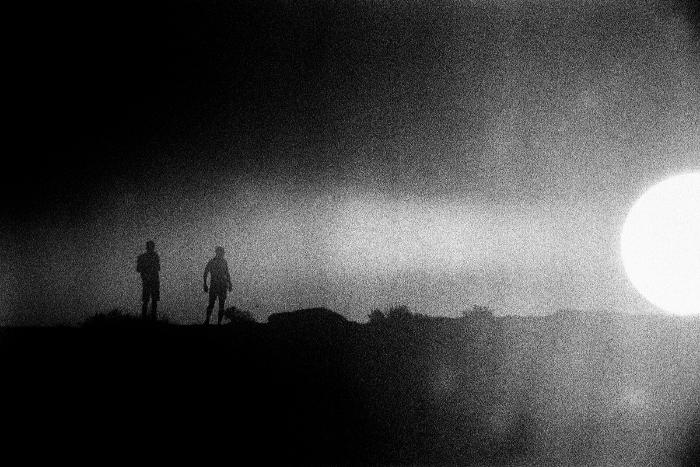
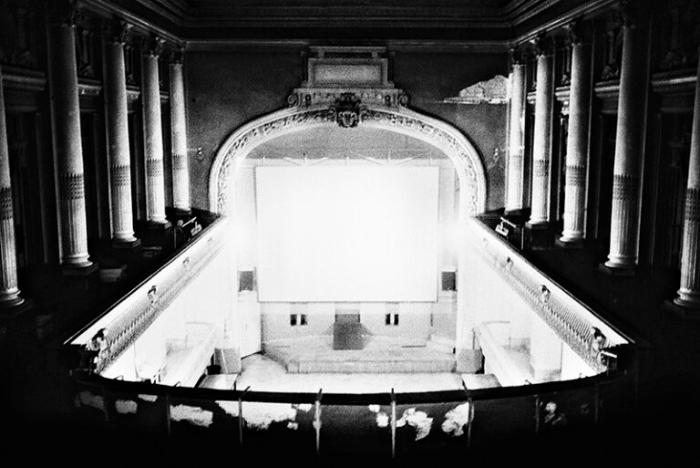
Above: a selection from Radiance. Below: a selection from The Eclipse
Can you share the story behind your body of work The Eclipse which has also been published as a book? What was your original intention or goals for the project? What were your processes?
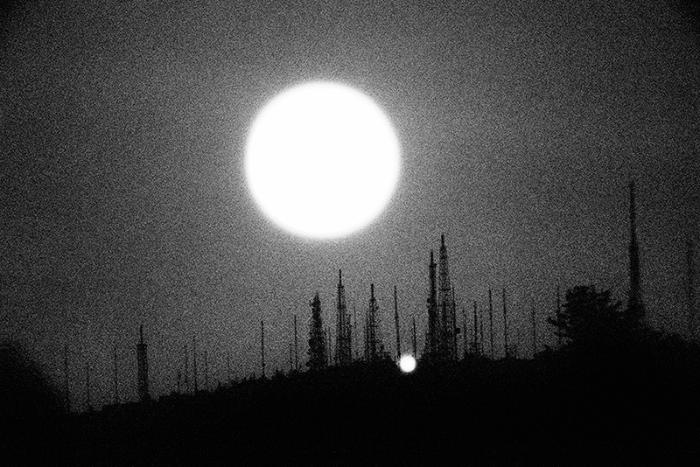
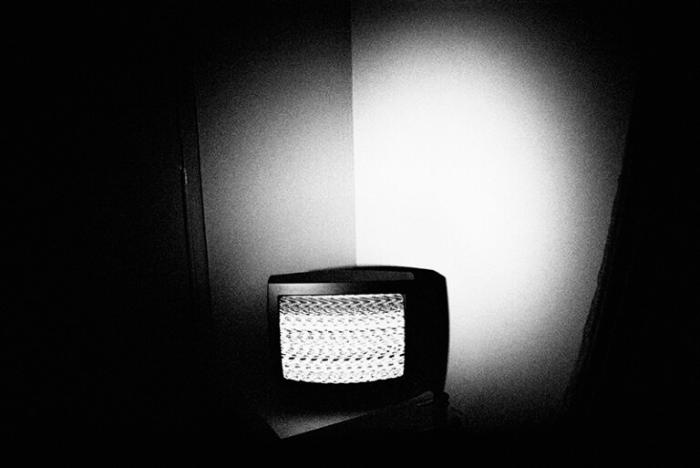
As I said before, I feel that I am always in the same investigation, and so I am just adding more pictures over the years to this permanent research. The Eclipse is one stage of this process, a period of my life, because it presents a selection of photographs that I took during the time I was living in Greece between 2012 and 2020. The first trip was a reconnaissance with a friend musician, and our idea was to create a visual and sonic project together. It led to some audiovisual performances, photographic series, to the creation of a video and sound installation called The Divided Line, and to the release of the first album of Oiseaux-Tempête on Sub Rosa label. We were interested in capturing elements and feelings from this multi-crisis impacting the country. But we also felt that this situation was a holistic collapse, was symbolizing wider decays and structural dysfunctions affecting the western world. Creation was an ideological way to resist. I lived beautiful and interesting years in Greece collecting pictures, videos, recorded conversations and sounds. It’s also in Athens that I became friends with Céline Pévrier who was often visiting at the time. She was creating her publishing house Sun Sun, and she decided to publish The Eclipse. We imagined the beginning of the book as a fall in a world contaminated, with pictures of antennas and electric cables, with exhausted characters trapped in dense and chaotic environments,. The final part of the book is designed as an escape to wild and luminous landscapes, as a return to nature and full light.
Your photographic projects often resemble pictorial visual diaries. How important is personal experience in shaping your narratives?
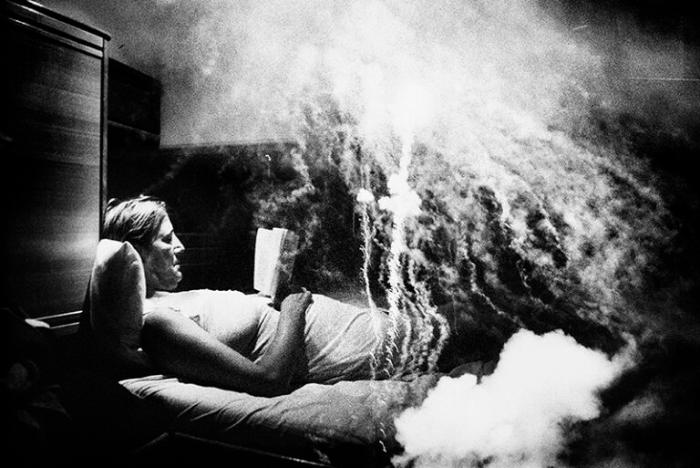
The photographs are taken from reality, without ‘mise en scène’, I mean mostly with no arrangement, staging, or acting. The substance must be true, and with no excess of effects and dramatization. My photographic style can be likened to a personal diary or an intimate documentary but, for me, it’s simply a matter of giving shape to perspectives, personal reflections, and a sense of awareness.
Do you create your own sequences or do you seek the help of an editor/curator?
I usually create my own sequences. The editing is the natural process that we follow to give form. It is how we can develop a personal universe, and one vision as an author. Because it is not only about collecting single images, but about creating a narration, sometime a story. We build suites of photographs for an exhibition or for a book. In my case, the narration is abstract, never a factual or an academic story. I see it more as an attempt to reveal hidden emotions, deeper meanings, I am interested in the experiences and in the questions that can emerge when you watch. My images require involvement from the viewer. Because I see that we can all have our own unique, personalized interpretations. So, I build the sequences like a puzzle where each element gives a few clues.
The editing is also often a collaborative process when the photographer works with the curator of an exhibition, or with a publisher. For an exhibition or for a book, I believe it’s good to use prints, and not only to work on the computer screen. Prints can help to visualize and to create some sequences, because they provide a kind of wide-angle vision on the construction. I also create photographic films, short films, music videos… where I use of course a video edit software, usually Premiere Pro. The editing is the process that develop the narration, and find the connections, analogies, visual harmonies, rhythms, tensions, breaks or transitions…
You are the main curator at Temps Zero. can you tell us your experience with it and how it improved your career as a photographer?
The Temps Zero projects have been organized since 2013, gathering visual and sound artists committed into existentialistic creations and into a kind of poetic resistance. I am the organizer, but also the editor, the producer, and I receive help from some artists depending on the shows. Each project has been recreated, reformulated, and we set up performances (projections with live music), exhibitions where sound was in interaction with photographs and films, audio visual workshops with final public performances, a few goodies and publications…
The objectives were always to promote the artists, to give visibility to independent and alternative creations that are not enough represented in the media or the cultural festivals. It’s kind of like supporting a creative movement. But it has been also a political statement to take a stand for collective actions. This is really a devotion to spend so much time developing collective projects in systems where we are so much under pressure, regulated by individualistic competition and financial constraints. These generous projects based on the association of several disciplines (images, videos, music, sounds) have offered beautiful synergies and unique moments shared with the audience.
In your work, the boundaries between the subject and the photographer often become indistinct. Do you believe this reveals your inner emotions?
This is due to the honesty and dedication shown in the creative process. I have to be true. And the more this creation is a personal artist talk about himself, the more it will touch others. For example, I created the film Trois mers et quatre terres around super 8 footages from the personal stock of Damien Daufresne. We are following his daughter, and we are taken in trip through landscapes, seas, islands where they have been traveling. This film has been conceived for projections with live soundtracks, mixing these very personal videos and my photographs. But it has been edited as if these elements were universal. Because the film is not just a portrait of this child, but an essay around the archetypal figure of childhood. It is not a story, but a metaphorical and poetic voyage through the unknown. So, this is our way to process, with elements creating a language both intimate and metaphoric. In parallel to the film and the performances Trois mers et quatre terres, we also made a book published by Editions Le Mulet.
You published several great books. Can you share your vision of publishing? difficulties, etc…
It is a wide subject. There are a lot of challenges to make a book a success. Economic circumstances are complicated. The artistic work is demanding. The technical processes involved in production and distribution are a difficult challenge to overcome. Regarding the artistic development, it’s important to get a good connection and trust between the publisher and the artist. The interactions can be really wonderful and beneficial. Very often, the photographers need the objective vision and the rationality of the publisher. On the other hand, it would be a major problem if the publisher wanted to transform the work in a wrong way.
You have an impressive number of exhibitions (solo and collective) under your belt. Can you tell us how you approached submitting work to open calls, galleries, editors, etc when you first started?
I have been mostly contacted by curators to make exhibitions, but also many performances showing my work in the form of projections and live performances. I also organized a lot of events, and a lot of collective projects. The invitations can come from people I have met, also from the investigations of artistic directors. Now the competition is so intense that it is hard for young artists to make their work visible. And this competition can reward the most cynical ones. We should not pay for open calls or applications. Portfolio reviews, workshops can be a good way to connect with curators as long as they are dedicated and the processes are fair.
What advice would you give to younger photographers or artists who would like to get started in photography?
The system can push you to corrupt yourself. So, here’s my advice: don’t lose your soul.
Thank you very much for taking the time to join this interview, Stephane.
Thank you!
All Images © Stephane Charpentier