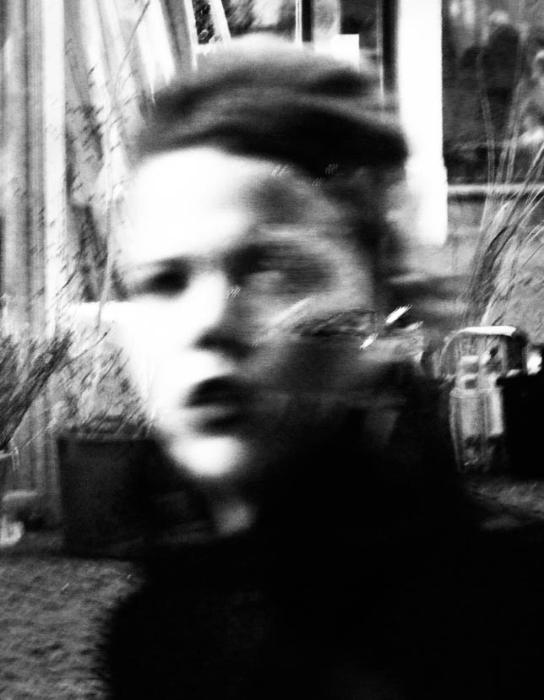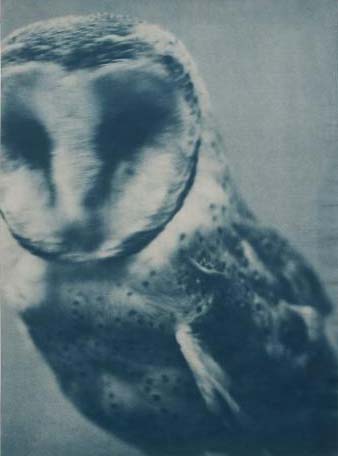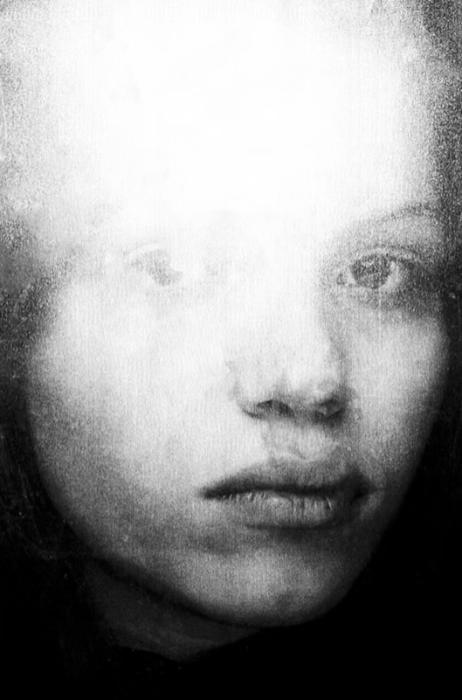

GUIDO GAZZILLI
Welcome to Lucida, Guido, and thanks for taking the time to participate in this interview. Could you tell us a little about yourself and your first experience with photography? What made you want to be a photographer?
I was born and raised in Rome in the outskirts of a complex and difficult city. As a teenager, I became involved in different youth subcultures, starting with graffiti and later discovering music. That’s when I began photographing my friends and the experiences we shared.
I also grew up dealing with difficult family circumstances, and from a young age I had to find a way to rebuild the ruins left behind. Photography helped me through this process. It became a way to work through painful memories and preserve moments that would otherwise disappear. I was afraid of losing people, places, and feelings that had shaped me. Through photography, I could return to them and slowly learn to live with my past.
Have you taken any formal photography courses or attended workshops?
I studied photography at IED in Rome. But much of what I’ve learned has come from life, wandering through the streets, meeting people, and allowing experiences to change me.
I’ve also been fortunate to have friends who supported me and continue to be part of my journey, especially Lele Saveri and Lorenzo Castore.
Poetry, music, and literature have also shaped the way I see.
Do you work with just analog, or do you also use digital? I’d love to hear about your development process!
I work with analog photography. I’m interested in the physical nature of the process and the relationship between images, materials, and lived experiences.
For Cara Foresta, I experimented with Polaroids, silver-gelatin prints, Japanese paper, and liquid photographic emulsion. I also used acorns collected in the forest and buried some negatives in the woods, allowing the environment and the passage of time to leave their marks.
I like losing control and allowing unexpected things to happen. For me, a photograph is never just an image; it carries traces of a moment, a place, and the person I was when I made it.
What is the meaning of photography to you?
Photography is a way of understanding myself and making peace with my memories. It allows me to return to moments that have passed and sometimes understand things I couldn’t understand when they happened.

I photograph because I feel the need to hold on to life, even though I know everything is constantly disappearing. There is a lot of melancholy in my work because sadness sometimes brings us closer to the heart of things.
I’m interested in fragility and in the possibility that a wound can eventually become fertile. Photography doesn’t erase the past, but it allows me to live with it differently.
Do you have any memory of the first time you looked through a lens and took a picture?
I remember my first roll of film. I was travelling through Scandinavia with friends, and I realized that having a camera made me feel less alone.
Photography gave me a reason to observe, to connect with the world, and to preserve what was happening around me. My photographs have always been a sense of nostalgia. Looking at them years later, I rediscover fragments of my life and sometimes recognize feelings I had forgotten.
Perhaps I photograph so that one day I can return to the person I was.
Do you manage the sequencing of your work on your own, or do you collaborate with an editor or curator?
I usually collect images over time, following my instincts. Gradually, connections emerge, and editing becomes a way of understanding what I’ve been trying to say.
I think of a sequence as a poem, where images speak to one another and create meanings that don’t exist in any single photograph. I appreciate the perspective of editors and curators, but I also need time alone with my work. I prefer to leave some doors open rather than explain everything.
What’s your photographic style like?
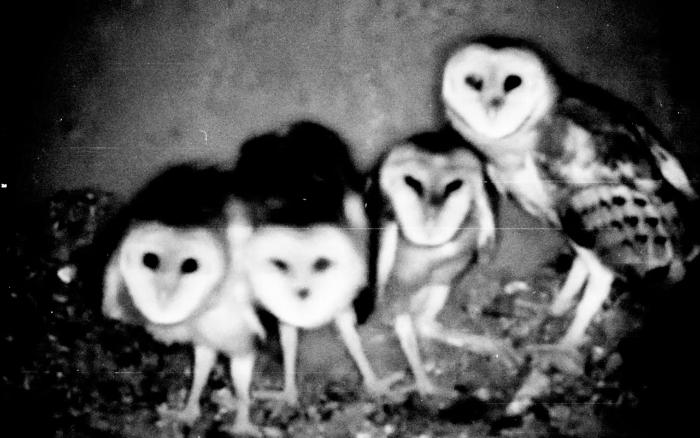
My work is personal and instinctive. I’m attracted to the different, the imperfect, and the fragile.
I photograph people, animals, landscapes, and fragments of everyday life. Often, I recognize something of myself in the people I meet, especially in their vulnerabilities and contradictions.
I’m not interested in judging. I try to approach the world with compassion, looking for beauty even in places marked by pain, loneliness, or desperation. Through photography, I try to understand the world and, ultimately, myself.
How has working as an assistant for Paolo Pellegrin from Magnum Photos shaped the photographer you are today?
Working as an assistant to Paolo Pellegrin was an important experience. It taught me discipline, commitment, and the responsibility involved in photographing the world.
At the same time, I understood how important it is to find your own direction. I needed to follow my personal questions and photograph the people and places I felt connected to. My work is deeply linked to my life, and I don’t think I could photograph something for long without an intimate connection to it.
Could you share some insights about your latest published work, Cara Foresta? I’ve heard that some of your images come from quite unique experimental techniques!
Cara Foresta was born from the desire to transform a painful personal history into something alive.
My childhood was marked by my father’s mental illness. One of my strongest memories is of the walks we took together in the forest near his country house. Among the trees, he seemed to find a peace that was difficult for him elsewhere.
Many years later, I returned to that forest, perhaps trying to understand my father through the trees, and myself through him. Trees break, bend, and fall, yet the forest continues to grow. There is something in this cycle that reminds me of life.
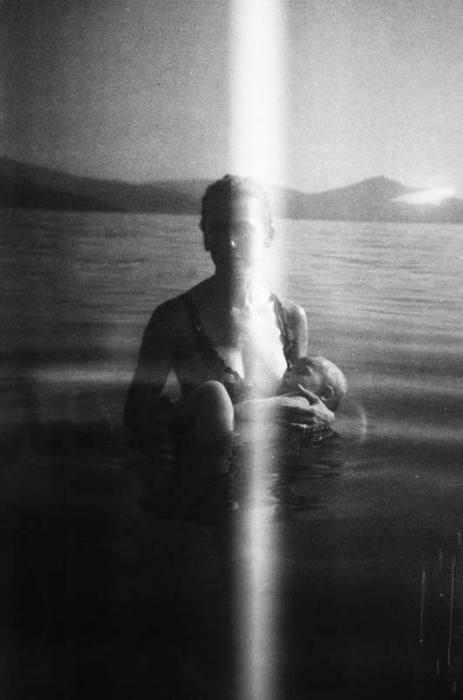
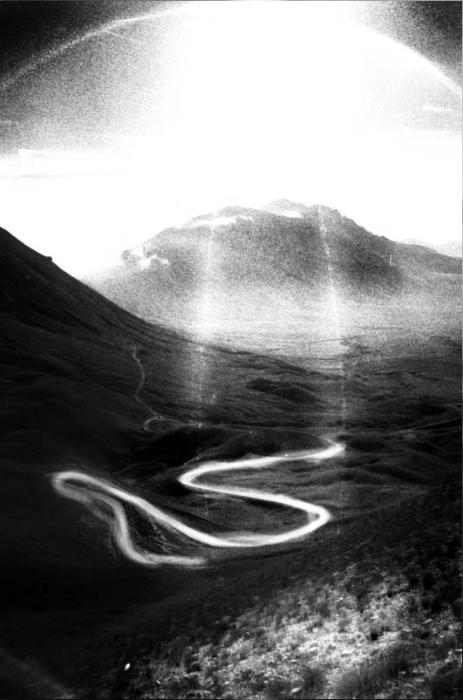

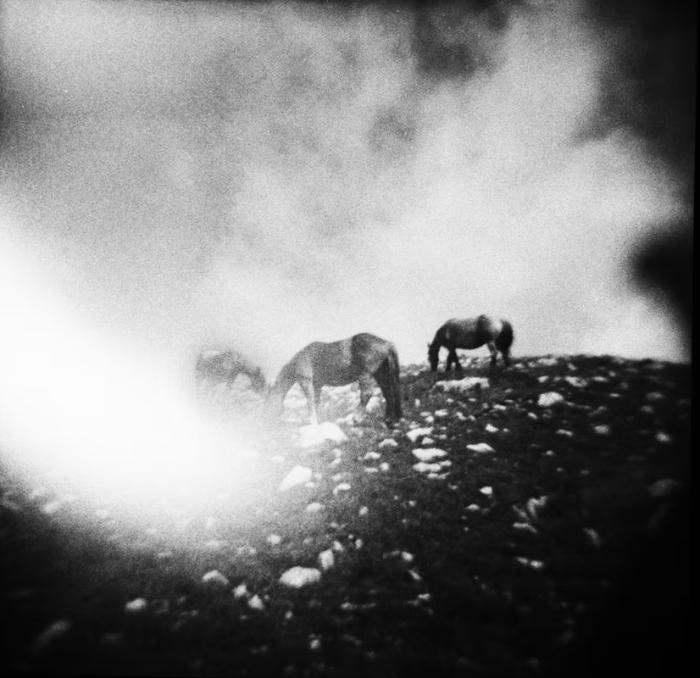
Above: a selection from Cara Foresta. Below: a selection from Home is Home
I experimented with photographic materials and natural processes, allowing the forest to leave its traces on the images. Then Victoria came into my life, and our son, Rumi, was born. Everything changed: I no longer entered the forest only to heal my wounds, but also to imagine his future.
Published by GRANI Edizioni in 2026, Cara Foresta is a love letter to the place that helped me transform pain into something fertile. Every morning at dawn, we enter the forest together. He discovers; I remember.
Your pictures are always so surprising. Are you trying to get us to look for the mysteries behind them, rather than just showing us reality?
Yes. I’m interested in the space between reality, memory, and dreams. I don’t want my photographs to provide all the answers. I prefer to leave something unresolved, something that continues to exist in the viewer’s imagination.
For me, mystery is connected to wonder. Sometimes we need to stop trying to understand everything and simply allow ourselves to feel.
I’d love to hear the story behind your work “Home is Home” and how it explores the theme of human solitude. What were your original intentions or goals for this project, and what processes did you use to bring it to life?
Home is Home (All Alone) is a personal diary made of encounters, places, and fragments of everyday life. It explores solitude, intimacy, vulnerability, and the need to belong.
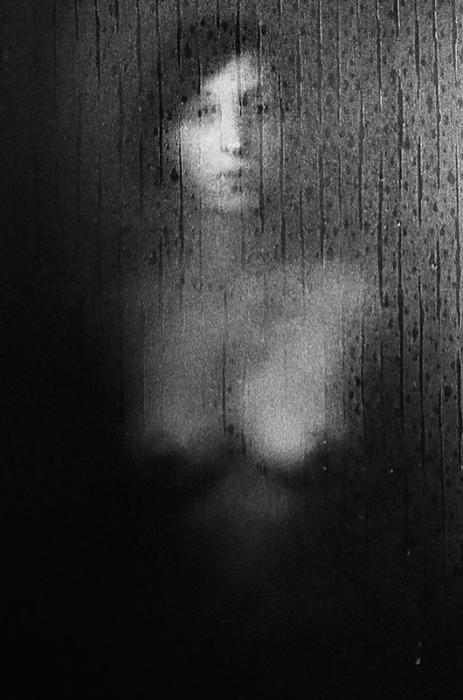
I’ve spent a long time searching for a home, perhaps because I was also searching for a family and a sense of safety. Home isn’t necessarily a physical place. It can be a person, a memory, or a moment in which we feel understood.
Published by Kehrer Verlag, the book brings together fragments of this search. It’s an attempt to understand where I belong, while accepting that some questions may never have definitive answers.
Your work frequently explores the relationship between humans and nature. How do you view nature—as a stage for our lives, an independent entity, or a mirror for our mood?
Nature is part of me. When I stay away from it for too long, I begin to feel disconnected from myself.
In the forest, my breathing changes and my body becomes quiet. Walking among the trees, I often feel that something inside me is returning to its proper place.
Plants bend, adapt, and continue searching for light. Animals follow their instincts without forgetting who they are. I recognize a form of freedom in this. Nature can be mysterious and unpredictable, just like our memories, but it gives me a place where I can be vulnerable without needing to hide it.
In what ways do poetry and music inspire your photographic sequences?
I started photographing independent bands, and music has remained a central part of my work. Every project and book seems to have its own soundtrack, something that continues to resonate even when the music is no longer playing.
Poetry and music help me understand the rhythm of images. When I edit, I look for connections, silences, and unexpected relationships, much like composing a melody.
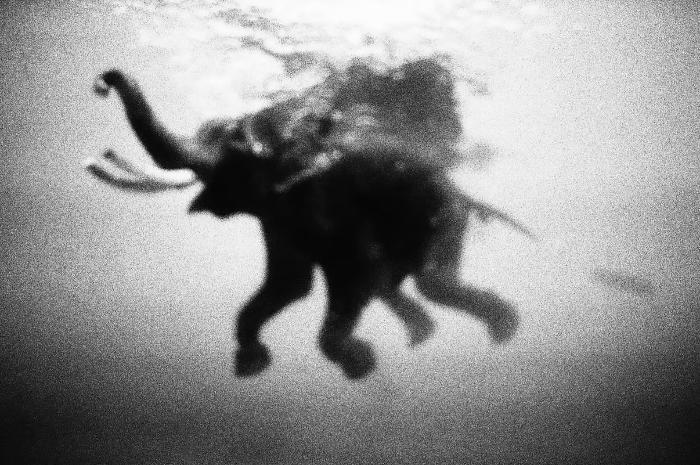
I want my books to be experienced slowly, almost like walking through a landscape or listening to music. I want the images to touch something in the viewer before they are understood.
Many of your images delve into the relationship between memory and location. Is your work meant to trigger an internal journey by tapping into familiar places and past experiences?
Yes. Places hold our memories, and our relationship with them changes as we change.
My work on Rome is a diary of the city and my life between the buildings and the forest. I return to familiar streets, meet people, and retrace fragments of my past. Through the city, I try to understand where I come from and who I’m becoming.
I photograph the present now living in nature, but the past is always there, influencing the way I see. I hope people can recognize something of their own lives in my photographs, even without knowing my story.
Alongside your photography practice, you’ve been a dedicated educator at IED for quite some time. How do you balance the responsibilities of teaching with your own photography work?
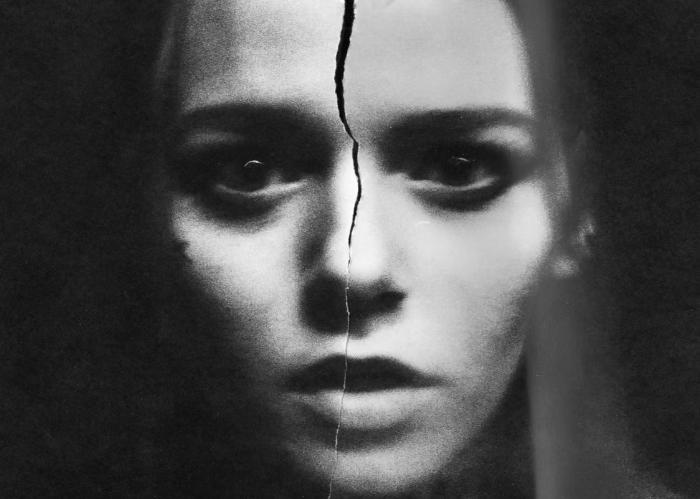
Teaching keeps me curious and reminds me that everyone sees the world differently. I try to encourage students to discover their own voices rather than follow a single idea of what photography should be.
Fortunately, I teach for only one month a year, so I can dedicate most of my time to my personal work, wandering, experimenting, and following my instincts. I’m still learning myself, and I hope I never stop.
You’ve published an amazing number of books! It would be great to hear about your publishing journey—what challenges did you face along the way? Did you choose to self-publish? Also, are there more books on the horizon for you?
Books allow photographs to become physical objects that can be held, touched, and experienced over time. Publishing requires patience, difficult decisions, and collaboration.
The process of making Cara Foresta involved a long wait, which was frustrating at times. Eventually, I learned to let things happen without forcing them, although I’m still not very good at waiting.
Can you tell us more about your series In Radiance?
In “In Radiance”, I’m interested in the almost divine quality of light inside Rome’s churches and its power to transform those who enter.
When I photograph a woman in these sacred spaces, the light seems to recognize something beyond her physical beauty, revealing a more intimate presence.
I often need the silence of the church, the sacredness of the place and the beauty of the human figure intertwine. The result is a suspended moment, somewhere between reality and a silent, my ritual.
Below: a selection from In Radiance


You’ve got an amazing track record of exhibitions! We’d love to hear about your approach to submitting your work to open calls, galleries, and editors.
I try to find contexts that genuinely connect with my work. I don’t want the desire to exhibit or publish to determine what I photograph.
My projects need time to grow, and sometimes I understand their meaning only years later. When presenting them, I try to be honest without explaining everything. Words can introduce the work, but I believe the images should ultimately speak for themselves.
Rejection is part of the process. What matters is continuing to follow my questions and finding people willing to spend time with the photographs.
It’s been a pleasure having you, Guido. Keep up the good work!
Thanks.
All Images © Guido Gazzilli