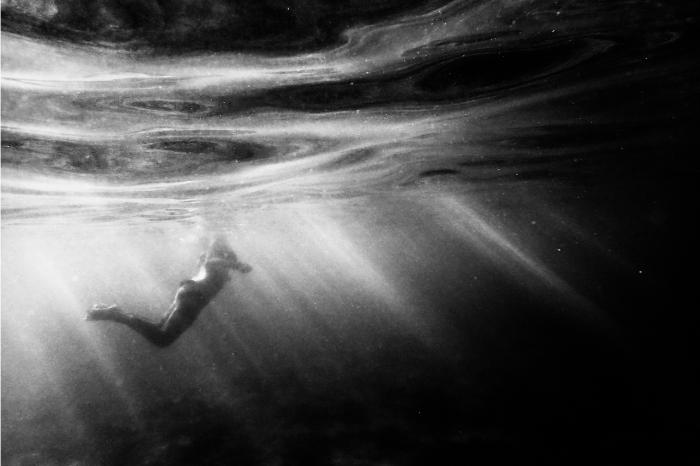
ALISON MCCAULEY
Thanks a ton for being here today, Alison! We’re really excited to have you with us. Could you share a bit about yourself and how you got into photography?
Thank you for having me! I was a painter before I got into photography, but the long hours in my studio eventually left me feeling isolated from the rest of the world. After using photography as a research tool for painting, I realized how it connected me to the world around me and how I could also use the camera as a means of expressing myself. Within a few years, I was hooked.
I’m curious—did you take any formal arts classes or workshops along your journey?
I studied Visual Arts, with an emphasis on painting, at undergraduate and at graduate level and Creative Arts Photography, as an undergraduate.
Do you work with both analog and digital photography? Can you take us through your development process? Do you develop your own films and print in the darkroom? We’d love to hear all the details!
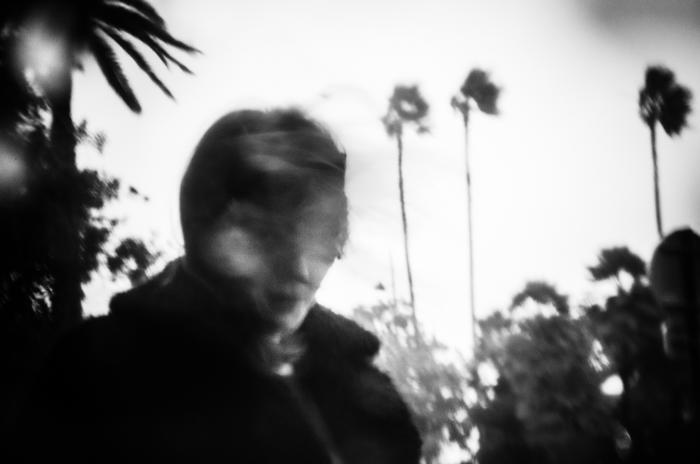
I started with analogue photography, but once digital cameras became decent, I began using them more and more. I’ve always loved the look of film, but I don’t like all the chemicals. I developed and printed my own film when I was in art school. At the moment, the only analogue cameras I have are Polaroids. I’ve developed in-camera techniques to make digital images look as good as film.
What does photography mean to you on a personal level?
Photography is hugely important to me. It is my identity and my passion. Photography is one of my main connections to the world around me, and it helps me make sense of what I’m looking at. I use photography to express my emotions and to keep a piece of moments and places, so that I don’t lose them.
Do you recall the very first photograph you ever took?
I don’t remember my first photograph, but I remember getting my first camera when I was fourteen. I suspect the first photograph was probably of our cat, Pepper. I still love photographing cats!
When you’re creating your sequences, do you work solo, or do you team up with an editor or curator?
I’ve been very lucky to work with talented editors and book designers, and I think it’s usually better to work with a team. However, I really love sequencing photographs. I play around with sequences often and sequence my handmade books. I also enjoy making mini sequences on Instagram. I rarely post a single image because it’s just not as much fun for me!
How would you describe your distinct photography style?
I would describe my style as expressive. It’s both outward-looking and inward-looking, in that I photograph the world around me while also trying to communicate my state of mind. I work with loose, non-linear narratives.

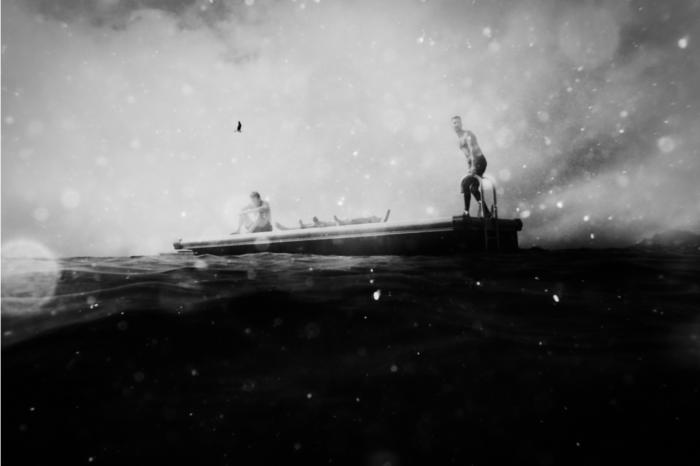
Your projects often explore the emotional ties between people and their surroundings. How important is personal experience in shaping your narratives?
Using my personal experience to shape my narratives is vital to me. This process is meditative and therapeutic.
Many of your photos have a dreamlike quality. Do you use specific lenses to create that effect?
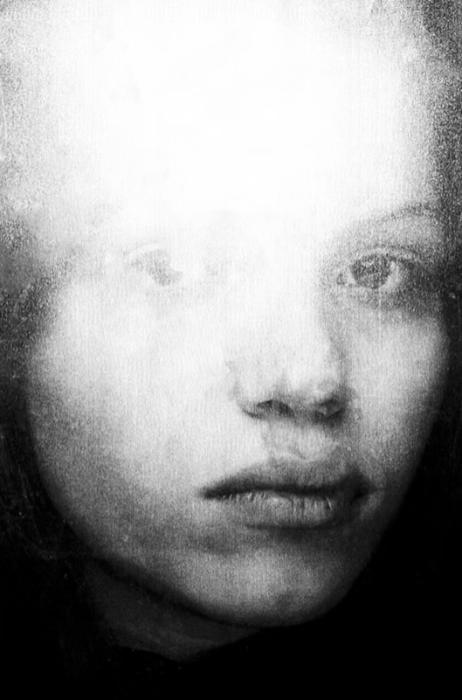
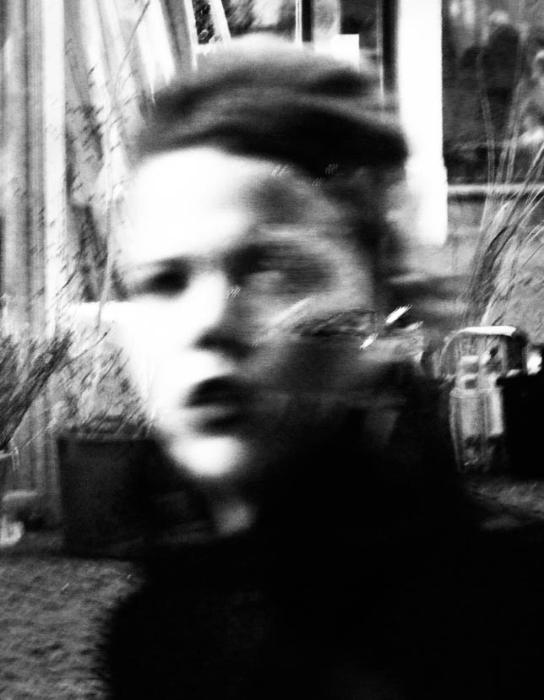
I use a combination of cheap lenses and handmade lens filters to achieve the gentle effect. I particularly like the randomness that my handmade filters give me. Often, they don’t work, but when they do, the result can be unique and dreamlike.
Your visual stories seem to reflect a search for identity and belonging. What questions are you currently exploring in your artistic journey?
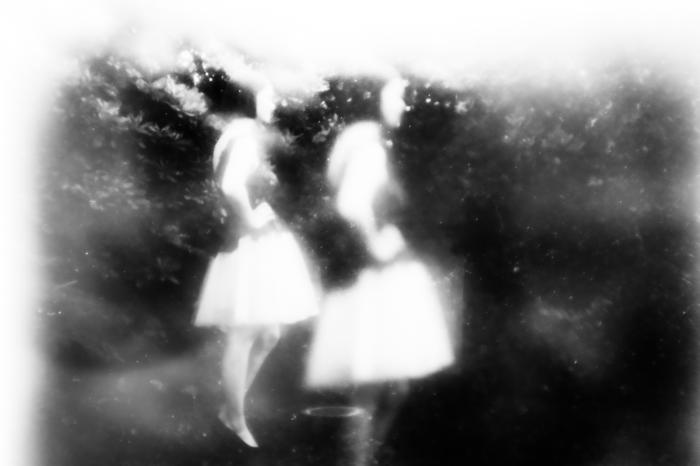
I’m currently working on three projects: Saudade, Hinterland and Texture of Silence.
Saudade is an expression of my yearning for the Brazil of my formative years, spent in the interior of Brazil in the seventies and early eighties.
Hinterland came about through my growing need for quiet and calm. The photographs come from the quiet, hilly region behind the busy coastline where I live, in southern France. They are an exploration of this area and an expression of my need for quiet.
Texture of Silence also grew from my need to slow down, reduce noise and pay closer attention to detail and the present moment. This series and Hinterland reflect a deliberate movement towards quiet, both in my life and in my practice.
Your narratives often touch on our inner vulnerabilities and feelings of loss. How has this theme developed for you over the years?
From an early age, I moved around from country to country. With every departure, I felt the loss of the people and places I had to leave behind. I think that when I finally realized it was okay to explore these feelings of loss through photography, my work began to feel real and honest. My photography became an outlet for the painful feelings of loss that I had lived with since my earliest years. I had never been able to speak about these feelings, and this release through photography has really helped me. I think these feelings of loss are always present in my work, even if it’s on a subconscious level.
Could you share the story behind your body of work “Shimmers,” which was beautifully published as a book? What were your initial goals for the project, and what steps did you take?
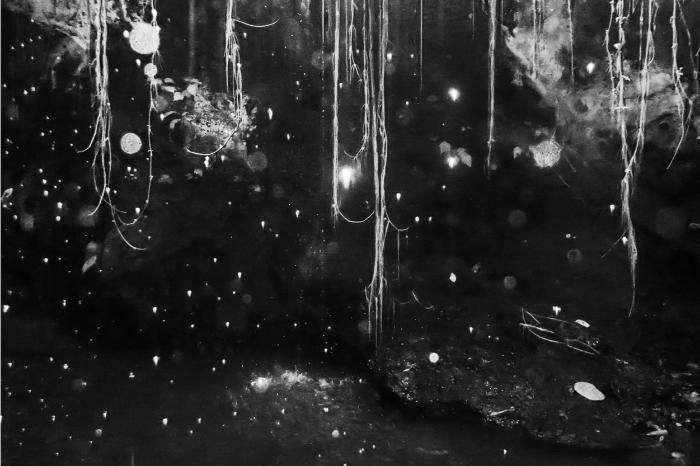
Shimmers started as a collection of simple photographs from the French Riviera, a location I travelled to frequently. Over the years, I accumulated a large body of work and began to see the duality between the shiny, glossy, public-facing surfaces and the flip side: the dark side of this frequently overrun and sometimes sleazy tourist destination. I realized that this was the direction I wanted to take the work in, and I became very motivated to develop the project. I was delighted when Martin Amis of Photo Editions suggested making a book of the photographs. I’m very proud of the book we made.
Can you tell us a bit about your series “Anywhere but Here”?
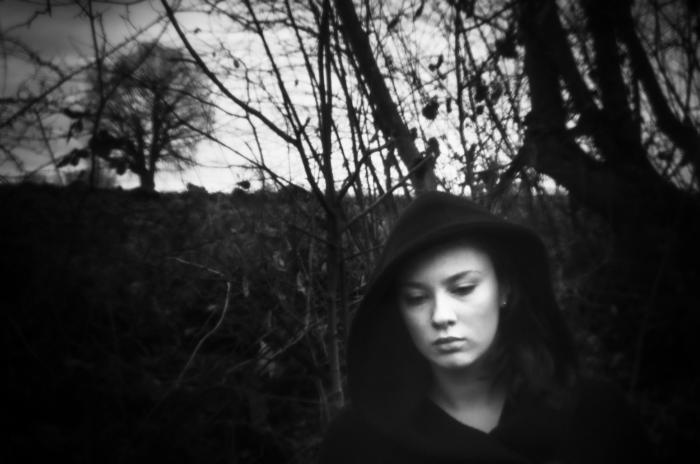
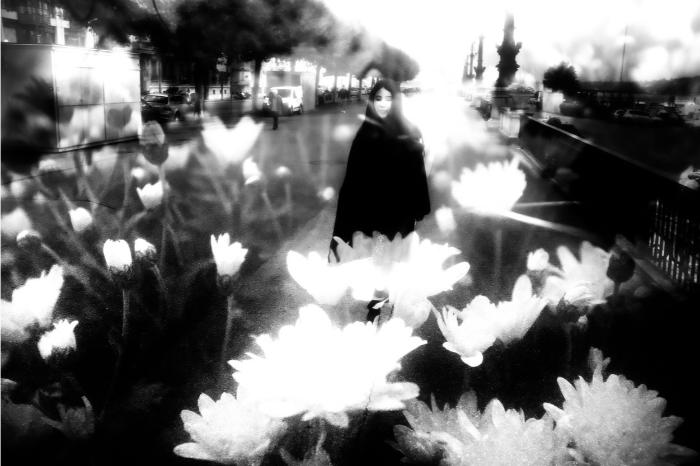
Anywhere but Here is my attempt to express the restless feeling that the place I’m in isn’t where I should be, and that the next location will be better. As someone who has always led a semi-nomadic lifestyle, I explore the idea of not belonging. The work is a deeply personal reflection of my emotions and it’s a cathartic means of coming to terms with my constant desire to move.
Above: a selection from Shimmers. Below: a selection from Anywhere but Here
Your work often connects humans with their environments. Do you see the setting as a backdrop, an active character, or a reflection of inner emotions?
I think that most of my work is about my connection with the environments in which I find myself. These places have such an effect on my state of mind that I would describe them as active characters. Once I photograph these environments, they become a reflection of my inner emotions.
Can you share a bit about your series “Dancing with a Cobra” and how it transformed into a handmade book?
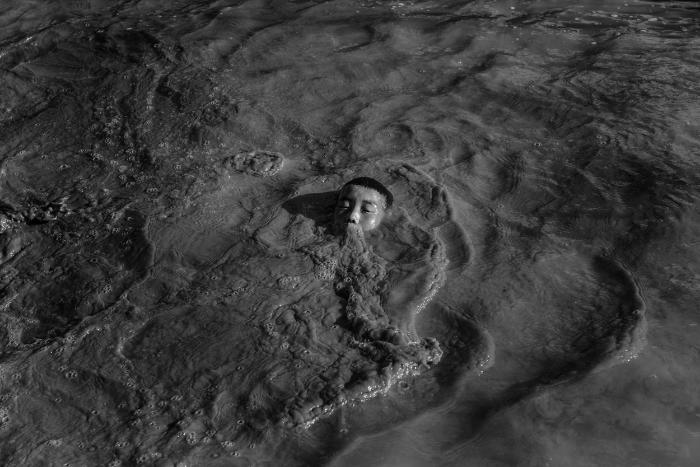
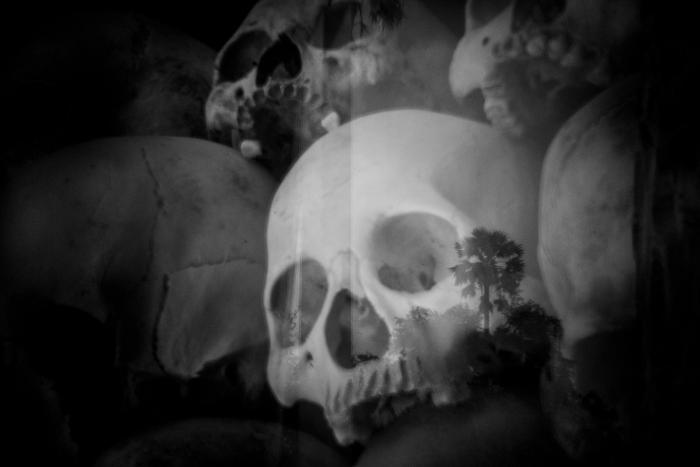
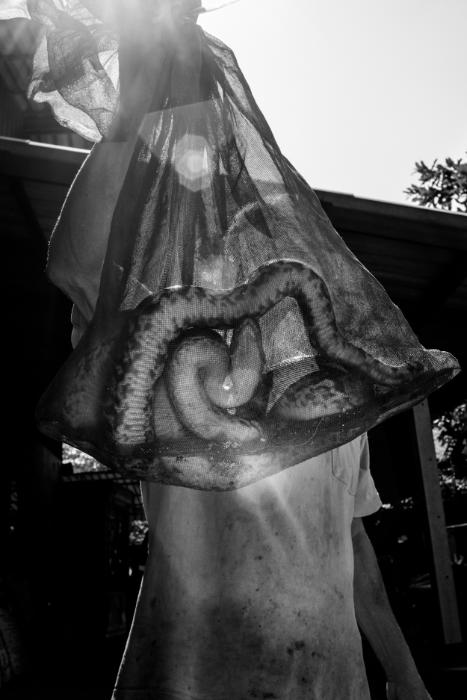
Dancing with a Cobra is a visual interpretation of my childhood memories of the many years I lived in the Cameron Highlands in Malaysia. The images were taken in Southeast Asia between 2016 and 2020. The series is an instinctive, emotional response to these altered yet familiar places. Through my recent photographs, I recreated moments from my past. This process, and the photographs themselves, enable me to keep these memories alive. The experience proved to be cathartic and helped to free me from a nagging nostalgia and melancholy caused by an abrupt departure and the loss of a nurturing and happy environment all those years ago.
The first printed version of Dancing with a Cobra was a zine published by IPA (Invisible Photographer Asia) MZ Editions in 2018. It was a very special and creative zine, but I felt that the story also belonged in a handmade book. I wanted the book to feel and look soft, gentle, imperfect and incredibly personal. I slowly and calmly made the book during our first Covid lockdown in 2020.
Below: a selection from Dancing with a Cobra
You’ve published some amazing books. What has your publishing journey been like? Did you face any challenges?
I feel very grateful to have worked with some very talented publishers and book designers. Each time, I’ve enjoyed the process. I particularly enjoyed working on Shimmers and Anywhere but Here with Martin Amis (of Photo Editions) and book designer Tom Booth Woodger. Back in 2016, Antler Press made a lovely zine of Anywhere but Here and Tour Dogs made a sweet zine of photographs of my daughter. I still love these zines, and they have stood the test of time. However, some of my very early published work no longer fits with the ideas or aesthetics of the work I’ve been making for the last twelve years or so, but I suppose that’s part of the journey.
I haven’t yet self-published in the traditional sense, so I’ve never experienced the financial and logistical stress that self-publishing often brings. I’m not particularly good with finance, logistics or stress! It’s a good thing that I absolutely love the process of hand making photo books. Although it’s a lot of work, I can create highly personal books of my work whenever I feel ready.
How did you go about submitting your work to open calls, galleries, and editors when you were just starting out?
In my early years as a photographer, I did submit to a few open calls. Mostly, I found the experience disheartening, and I stopped applying. I really believe it’s wrong to charge photographers a fee to enter an open call. If the organisation can’t find the funding elsewhere, it’s probably not a good sign. Nowadays, I just want to work quietly, in my own time, and if I want to get my work out there, there are other ways that suit me better.
What advice do you have for young photographers or artists eager to jump into photography?
I don’t feel comfortable advising anyone, partly because things are changing so quickly since AI came on the scene. I don’t think I have a clear enough understanding of what the future of paid photography will look like.
If I were a young person in 2026 who was passionate about photography, I would keep photography as my passion and prepare myself for a career that I would enjoy, but that would hopefully leave me with enough free time and energy to pursue my photography.
Thank you very much for participating in this interview, Alison. It’s been a pleasure getting to know you more about you and your work!
Thank you!
All Images © Alison McCauley